Can You Hike Patagonia as a Beginner?
Patagonia reads as an expert destination because the famous photographs are taken at the ends of long trails. The easy tier is wider than it looks.

Yes. Patagonia has plenty of walking a complete beginner can do well, including several of Torres del Paine's headline viewpoints. Salto Grande is 1.5 km with 20 metres of climb. Mirador Cuernos is 4 km. What beginners should not do on a first trip is the 21 km Base Torres day or the full W trek unprepared.
Beginners can see the park’s headline landscapes. The useful choice is whether to link easy walks by vehicle or train for one of the long hiking days.
Booking Choice: Choose the full-day circuit for short walks and viewpoints. Choose Base Torres only if 20 km on uneven ground is already realistic; the three-day guided trip still contains demanding hiking. Explore Full-Day Tour Torres del Paine National Park from Puerto Natales
The confusion comes from photographs. The images that sell Patagonia are mostly taken at the ends of long trails, so the region reads as an expert destination. In practice the park has a wide easy tier reachable by road, a middle tier of half-day valley walks, and a hard tier that genuinely asks for training. Beginners get an excellent trip out of the first two. For the full spread across all five tiers, see how difficult the park's hikes really get.
Which walks in Torres del Paine actually suit a beginner?
Salto Grande at 1.5 km and 20 metres of ascent, Mirador Cóndor at 3 km and 200 metres, Mirador Cuernos at 4 km and 150 metres, and the Lago Grey beach walk at 2 km and 50 metres. Each takes between 30 minutes and 1.5 hours, and together they cover the Cuernos, Lake Pehoé and the icebergs.
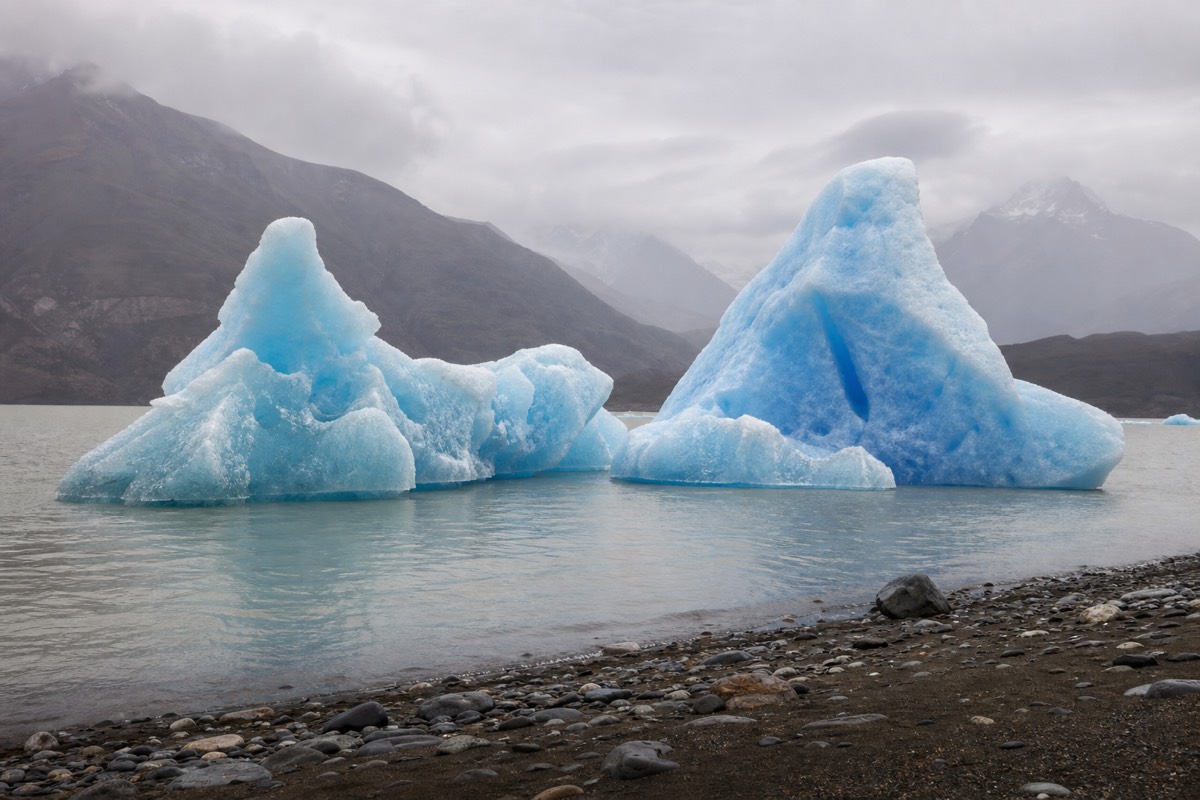
That list is not a consolation prize. The stranded icebergs at the southern end of Lago Grey pile against the terminal moraine, so the beach walk puts you beside house-sized blue ice for an hour of effort. The Cuernos viewpoint gives the shape most people actually picture when they think of the park. A beginner who does all four in a day sees more of Torres del Paine than someone who spends the same day climbing to the towers in cloud.
| Walk | Distance | Ascent | Time | Beginner? |
|---|---|---|---|---|
| Salto Grande from Pudeto | 1.5 km return | 20 m | 30 minutes | Yes |
| Lago Grey beach from Guardería Grey | 2 km return | 50 m | 1 hour | Yes |
| Mirador Cóndor near Pudeto | 3 km return | 200 m | 1.5 hours | Yes |
| Mirador Cuernos from Salto Grande | 4 km return | 150 m | 1.5 hours | Yes |
| Ferrier lookout from Lago Grey | 4 km return | 300 m | 2 hours | With a rest day after |
| Mirador Grey from Refugio Grey | 5.6 km return | 150 m | 2 hours | Yes, if you are already there |
| Base Torres from the Welcome Center | 21 km return | 1,041 m | 8 to 10 hours | No, not cold |
Which Patagonia hikes should a beginner avoid?
The Base Torres day at 21 km and 1,041 metres, Mirador Británico at 640 metres of climb over a 7.5 to 12 km return, the Pingo valley at 21 km and 750 metres, and anything on the O circuit, above all the 1,200 metre John Gardner Pass with its 10 to 12 hour crossing day.
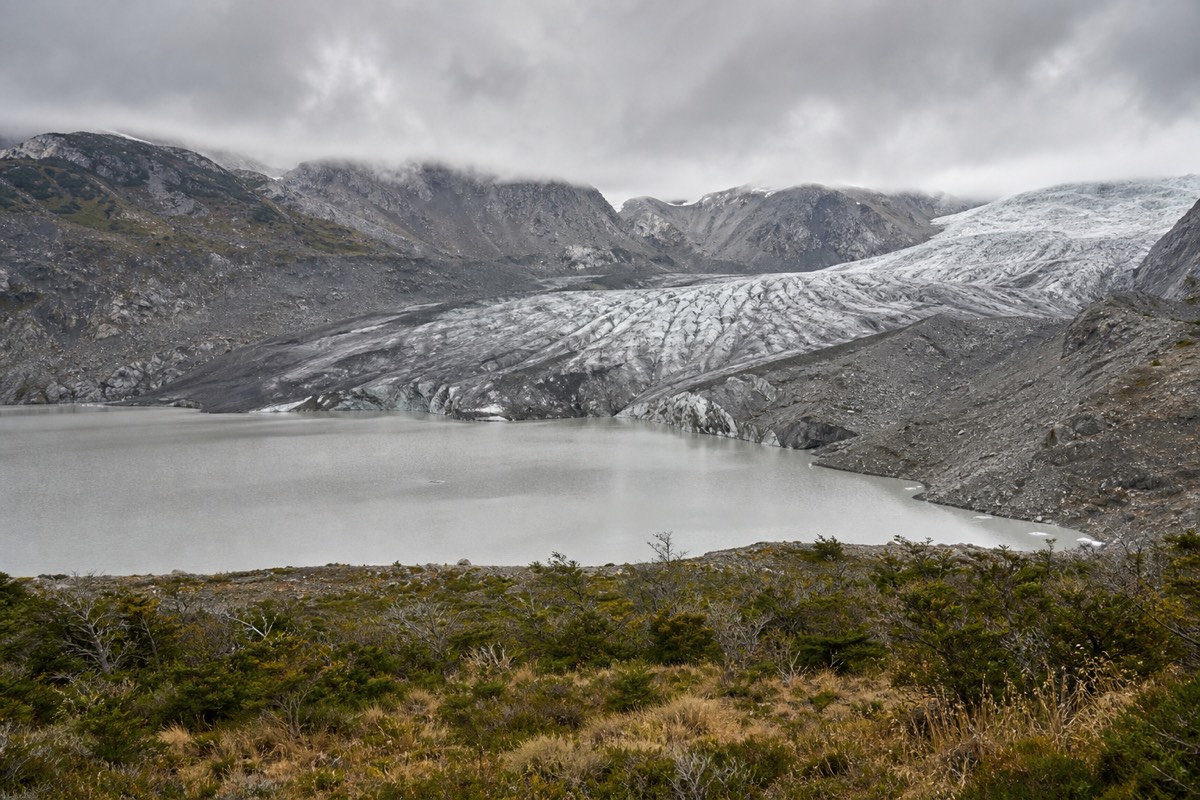
None of these is dangerous in good weather with a guide. They are simply long, and length is what beginners misjudge. The final 0.8 km of the Base Torres trail climbs about 200 metres over loose moraine in roughly 45 minutes, and it comes after five hours of walking, not before. Descending it on tired legs is slower than the ascent for a lot of first-timers. If the towers matter to you, treat that day as a target for a second trip or book a guided Base Torres day trip, which is what most people do.
What changes when a guide handles the logistics?
Almost everything a beginner would otherwise get wrong. Transport timing, the 07:00 departure from Puerto Natales, the cash-only shuttle at Laguna Amarga, the date-locked park ticket, the pace on the moraine, and the decision about when weather means turning back. The walking stays the same. The failure modes mostly disappear.
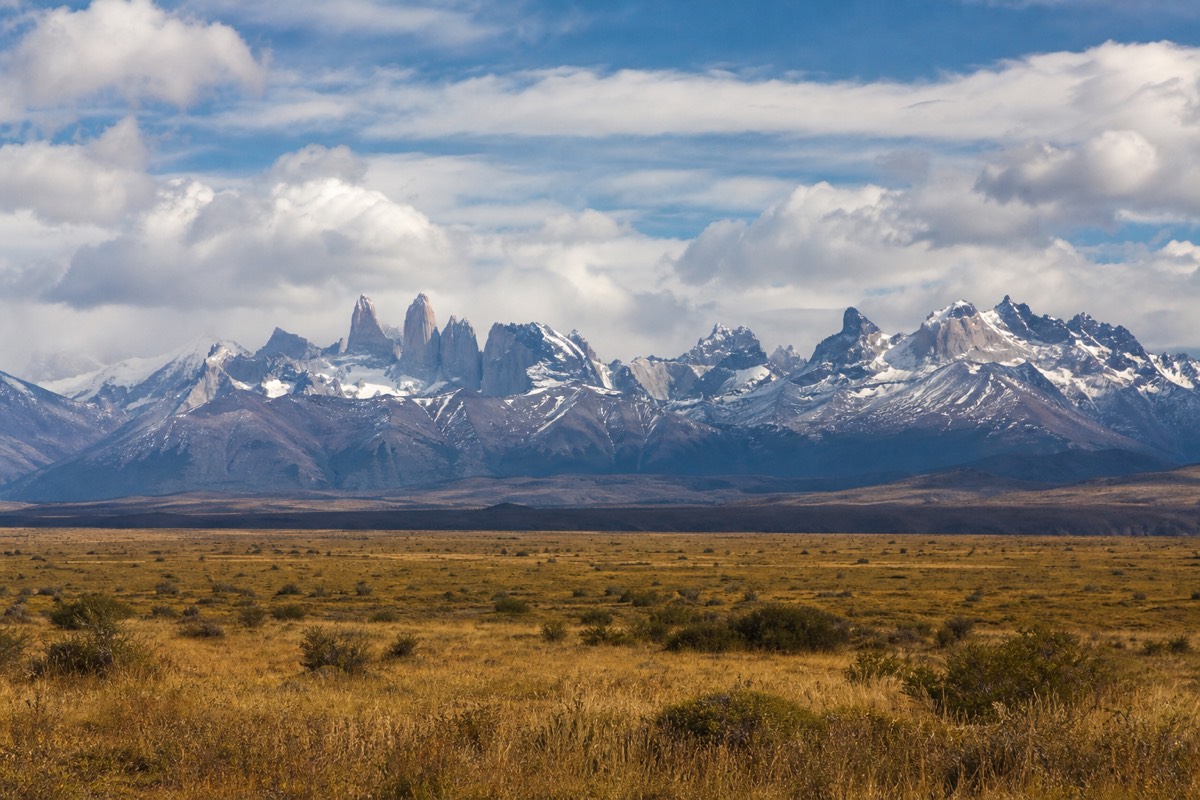
Concretely, the active guided Base Torres day includes Puerto Natales pickup, trekking poles, a guide and assistant, first aid, and crampons when necessary. Check the booking page for the current price and exact pickup window. That staffing helps groups move at different paces, but it does not reduce the distance or remove the need for moderate fitness. A full-day guided park circuit is the lower-effort version, 8 to 10 hours with a 30-minute walk to Salto Grande and viewpoint stops rather than a long climb. Our comparison of self-guided and guided trekking sets out where the difference actually pays.
What does a beginner need to carry and wear?
Layers, a real waterproof shell, boots already broken in, and trekking poles. The park's weather changes within an hour, wind gusts of 60 to 100 kph are ordinary in summer, and the western side is much wetter than the eastern steppe. Cotton and new boots are the two mistakes that ruin first trips.
Puerto Natales averages a high of 12.6 C in January and 13.1 C in February, with lows near 6.6 C and 6.8 C, and 16 wet days in January. That is not cold, but wind takes the felt temperature well below the reading, and the park itself is windier and wetter than the town. Sixteen and a half hours of daylight in January is generous, and late December sees roughly 05:00 sunrise and 22:00 sunset, so a slow beginner has time in hand. Gear rental in Puerto Natales is straightforward, with tents published around $37 a day and sleeping bags around $8, though a day-walking beginner needs neither. Our packing list for the park goes item by item.
How should a beginner structure the trip?
Base in Puerto Natales, allow at least three days in the park area, and build in one spare day for weather. The town is 112 km from the park, 2 to 3 hours by road, with buses commonly leaving around 06:45, 07:00, 12:00 and 14:30. A day trip means being out of your hotel by about 07:00.
Three days lets you spend one on roadside viewpoints and easy walks, one on the Grey Glacier cruise or a longer valley walk, and one in reserve. If a walk gets cancelled by wind, and boat trips regularly are, you still have the trip you came for. A multi-day package can simplify transport and accommodation, but beginners should compare its actual hiking distances before treating it as an easier option: a long first day to the Base Torres viewpoint, an equipped tent at Pehoé camping with dinner, then the Cóndor and Cuernos viewpoints plus the Aonikenk trail on day two. Rules and conditions on all of this come from CONAF, the park authority, and tickets from the official ticketing portal.
Is a beginner better off in Chile or on a package?
A beginner doing day walks can manage independently from Puerto Natales without much trouble. A beginner who wants to sleep inside the park is much better off on a package that includes a park night, because beds are held by two separate concessionaires whose calendars open around April and Refugio Chileno sells out first every year.
The independent route is not hard, it is just unforgiving of mistakes: the park ticket is non-refundable and date-locked, the Laguna Amarga shuttle is cash only at 4,000 to 4,500 pesos, and there are no free CONAF campsites operating this season. Get one link wrong and the day collapses. Our guide to getting from Puerto Natales into the park covers the bus times and connections, and the guided trips we list range from a single day out to multi-day tours with everything already booked.