How Fit Do You Need to Be for the W Trek?
If you can walk 20 km on uneven ground, then get up the next morning and do it again, you are fit enough for the W trek.
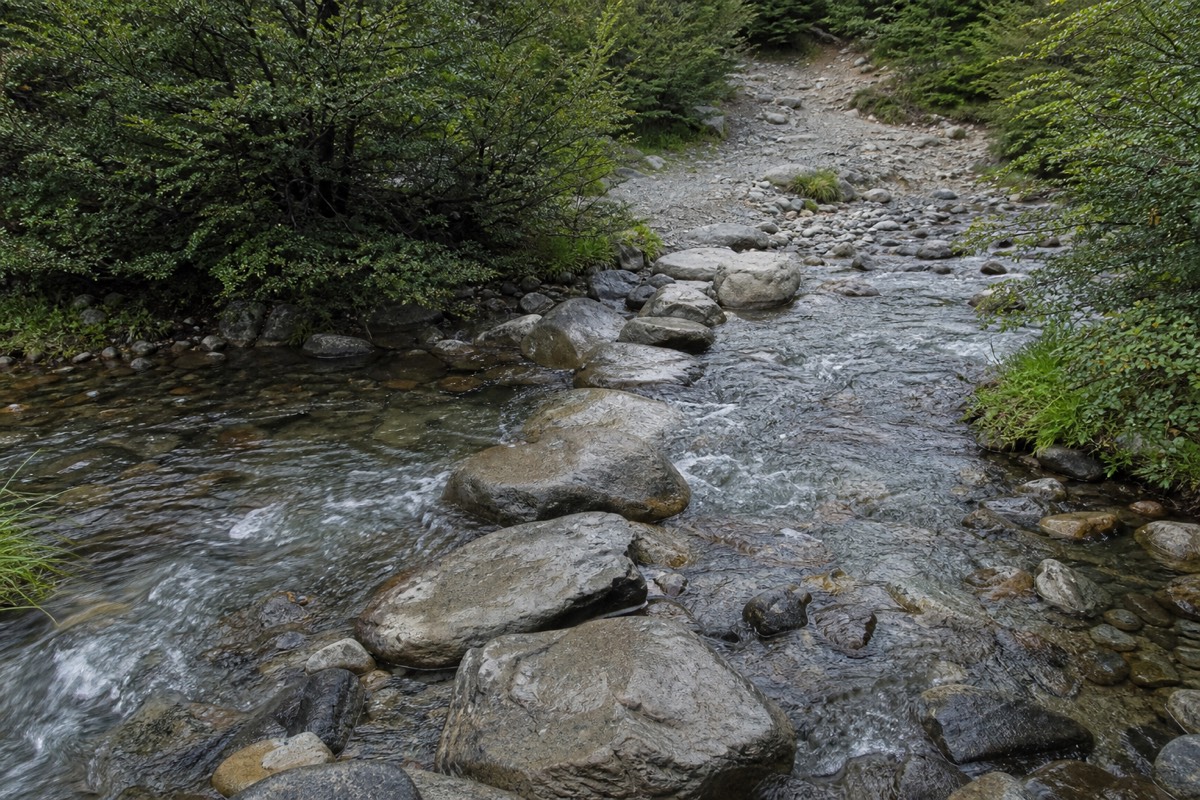
Fitter than a casual walker, less fit than most people fear. The W asks for 4 to 5 consecutive days of 13 to 22 km, on trail, carrying at least a day pack. If you can walk 20 km on uneven ground and get up the next morning and do it again, you are ready. Nothing on the route is technical.
Fitness is about repeated long days, not technical climbing. Test your endurance first, then choose how many trail days and how much pack responsibility belong in the trip.
Booking Choice: Use one Base Torres day as a calibration point, choose the three-day guided format for a fixed campsite, and choose the five-day W only if independent consecutive days with your belongings are realistic. Explore W trek Torres del Paine - 3 days Alternative Guided Tour
That last point does most of the work. There is no scrambling, no exposure and no altitude here. The W is an endurance problem: repeated long days, a pack, weather that adds effort, and ascent spread across the route rather than concentrated in one climb. People who train for a single hard hike often struggle on day three. People who walk a lot, slowly, tend to be fine.
What are the real daily distances on the W?
On the active 5-day independent W, the itinerary covers Base Torres, the Nordenskjöld sector, Valle Francés and Grey across consecutive hiking days; confirm the current leg distances before training to a fixed number. The whole route is commonly given as about 80 km, though published figures range from 60 to 85 km depending on which side trips are counted.
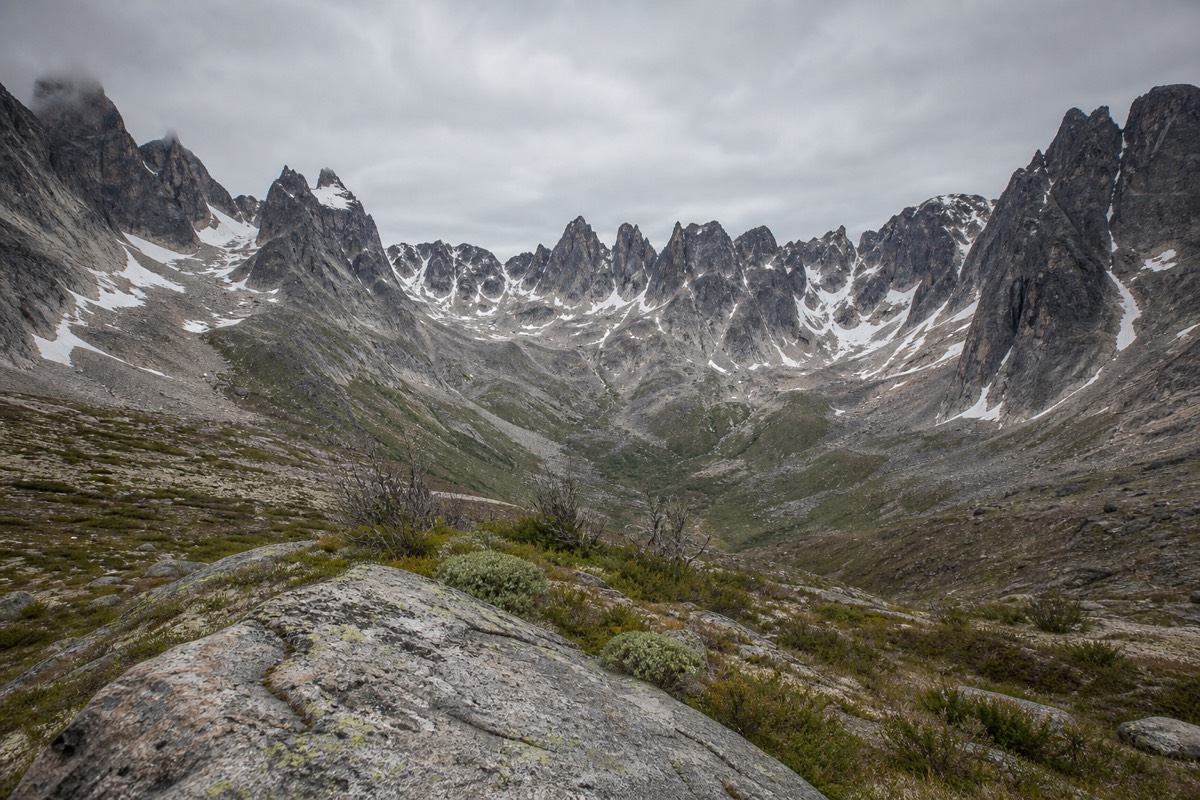
Cumulative ascent is published between 2,730 and 3,480 metres, which is a wide enough spread to tell you the route is measured inconsistently. Treat the daily distances as the planning unit, not the total. Two of the four days above are over 20 km, and they are not the same 20 km: the Base Torres leg carries 1,041 metres of ascent on the full version from the Welcome Center, with a final 0.8 km of moraine gaining about 200 metres in roughly 45 minutes.
| Day | Distance | What makes it hard |
|---|---|---|
| Base Torres | 19.5 km round trip | The moraine climb at the end, then the same descent |
| Nordenskjöld leg | 13.5 km | Exposed lakeside wind, about 200 m of rolling ascent |
| Valle Francés | 20.5 km | 640 m to Mirador Británico on top of the approach |
| Grey | 22 km round trip | Longest day, plus the suspension bridges beyond the refuge |
What do consecutive days actually do to you?
They compound. A single 20 km day is within reach of most reasonably active people. Four in a row, sleeping in dorms or tents, eating refugio food and walking in wind, is a different demand. Day three is where fitness stops being about lungs and starts being about feet, knees and sleep.
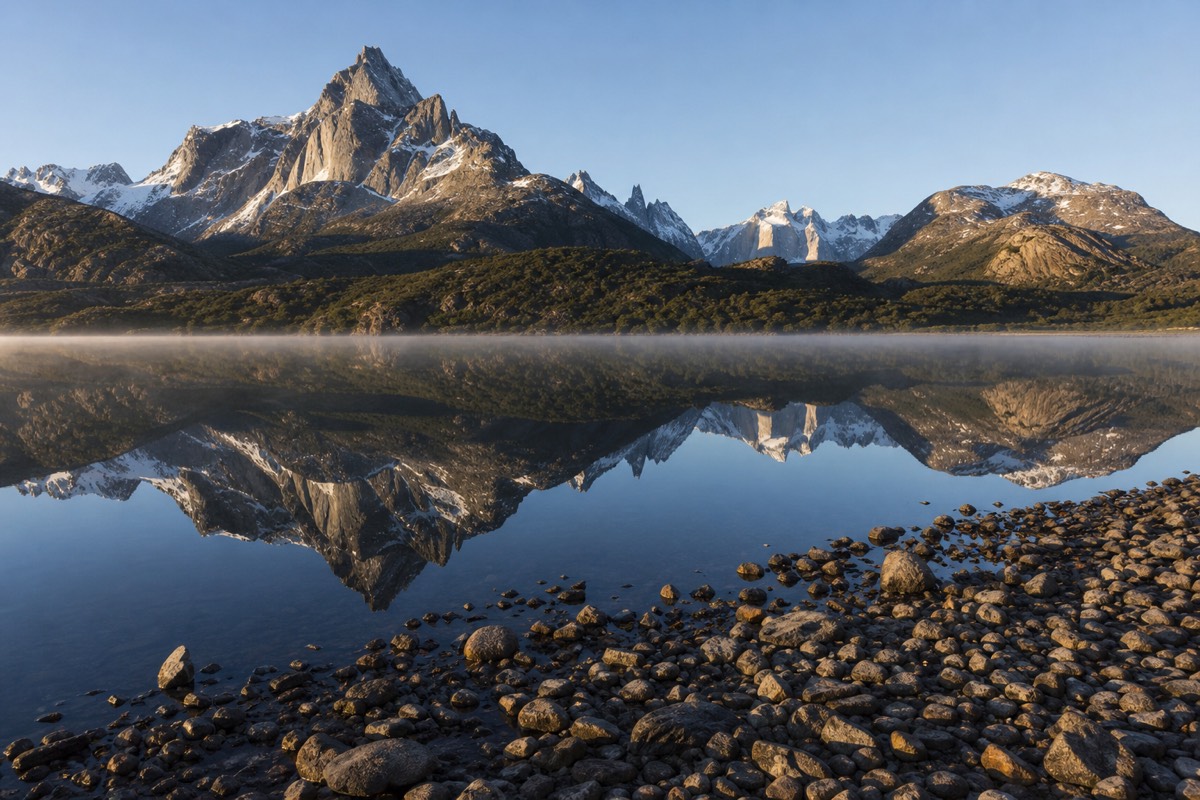
The practical consequences are unglamorous. Blisters that would be trivial on a day walk become trip-ending by day four. Knees take the descents harder than the climbs, and the Base Torres moraine descent is the worst of them. Sleep quality in a shared dorm is worse than at home, so recovery is worse too. This is why the standard advice to train by walking back-to-back days, rather than one hard day a week, actually matters. Our day by day W trek guide shows how the legs stack, and the Valle Francés walk explained covers the day most people underestimate.
How much does pack weight matter?
More than any other single variable you control. A full camping load with tent, bag and food turns a 20 km day into a considerably longer one. Refugio beds remove the tent and the cooking kit. A based-camp guided trip removes the pack from most days altogether, because you sleep in the same place each night.
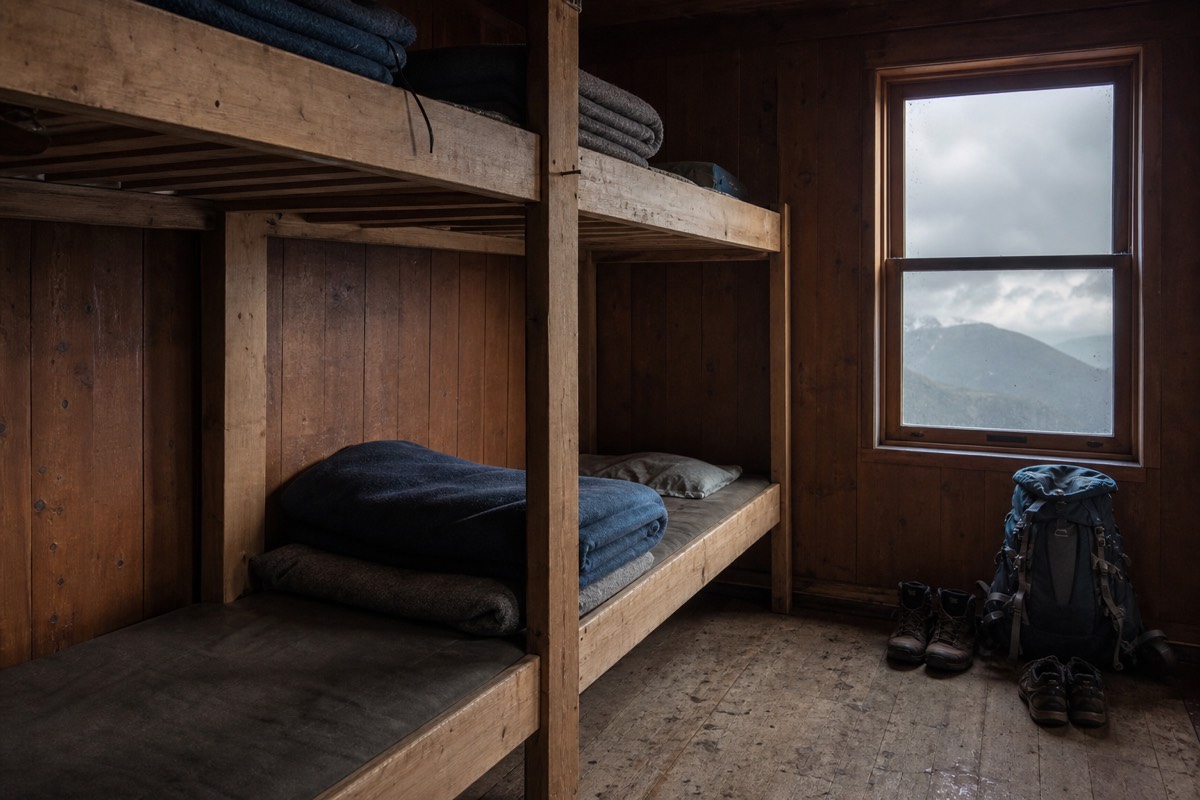
Rental in Puerto Natales makes the comparison concrete: tents are published around $37 a day and sleeping bags around $8, so carrying your own kit is cheap in money and expensive in effort. Refugio dorm beds run roughly $46 to $114 per person depending on season and sector, with own-tent sites at $11 to $14, and the two systems book separately, Vértice Patagonia holding Paine Grande, Grey and Dickson while Las Torres Patagonia holds Central, Chileno and Serón. Our refugio and campsite booking guide untangles that, and the packing list covers what actually needs to be in the bag.
| Trip style | What you carry daily | What that changes |
|---|---|---|
| Self-guided camping | Tent, bag, mat, food, clothing | Heaviest option, cheapest, slowest days |
| Self-guided refugio, full board | Clothing and personal kit only | No tent or cooking gear, meals waiting |
| Guided from one base camp | Day pack | Full packs never carried between sectors |
Is the W technical, or just long?
Just long. The W is a marked trail with signed junctions, refuges at intervals and control points where walkers register. The hardest ground is loose moraine near the Base Torres viewpoint and rock underfoot in the Valle Francés. No rope, no via ferrata, no glacier travel, no altitude.
What it does have is exposure to weather. Wind gusts of 60 to 100 kph are ordinary through summer, November is the windiest month at an average 37 kph in Puerto Natales, and the western sectors get significantly more rain than the eastern steppe. The catamaran across Lake Pehoé, about 30 minutes and roughly 26,000 pesos one way, is cancelled outright in high wind. Fitness helps here in an indirect way: people with reserve in the tank make better decisions when the day goes wrong. Gate hours and closures are published by CONAF, the park authority.
What if you are not fit enough yet?
Then walk a shorter version rather than a worse one. Three-day and two-day itineraries reach the same three signature sights, the Base Torres viewpoint, the Valle Francés and Grey Glacier, without four consecutive full-pack days. Most people who abandon the W do so because they booked the wrong length, not because they were weak.
The 3-day guided W alternative covers Base Torres, Valle Francés and the Grey viewpoint while sleeping two nights at Camping Pehoé; travellers still carry their personal day gear, and the listed meals and transfers are included. The 5-day W is an independent trek with lodging and specified meals arranged; no guide or porter is included, so confirm the current itinerary and inclusions before booking. And the 2-day express tour is the shortest honest test of whether the long days suit you, with a roughly 22 km first day and a night in an equipped tent. All of them, plus the day options, sit on our list of Torres del Paine trips.