Is It Better to Go to Patagonia in Chile or Argentina?
Chile for one concentrated park you book months ahead. Argentina for trailheads you walk from town. Two weeks covers both.
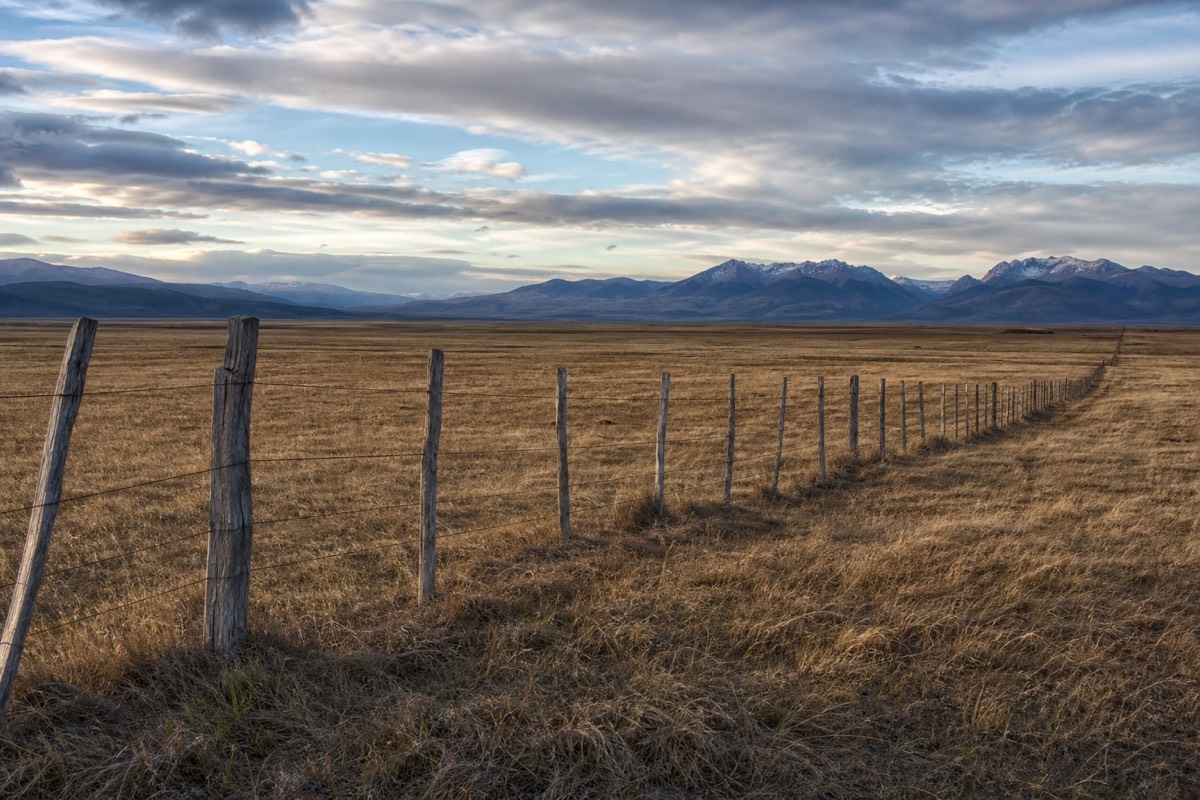
Chile if you want one park with the most concentrated scenery and a hiking system that books out; Argentina if you want free-to-walk trailheads and the easiest big glacier. Torres del Paine is the reason most people cross into Chile. El Chaltén and Perito Moreno are the reasons most people cross into Argentina. Two weeks fits both.
Choose the side by the experience you want and the time you have. The strongest bookable comparisons are an arranged Chile package, a Perito Moreno day from El Calafate and a Chile self-drive.
Booking Choice: Chile concentrates a booked park itinerary; Argentina offers easier glacier access from El Calafate. With ten days or more, combine them and treat the border as a travel day. Explore 4-Day Tour to Puerto Natales and Torres del Paine National Park
There is no meaningful Google search behind this question, and yet it gets asked constantly in conversation, eleven different ways at last count. That tells you something: it is a decision people make out loud, comparing two things they cannot picture, usually with a fixed number of days and one flight already booked.
What is each side of Patagonia known for?
Chilean Patagonia's headline is Torres del Paine: 227,298 hectares, established in 1959, a UNESCO Biosphere Reserve since 1978, and 367,426 visitors in 2024. Argentine Patagonia's headlines are the Fitz Roy trails above El Chaltén and the Perito Moreno glacier near El Calafate, both inside Los Glaciares National Park.
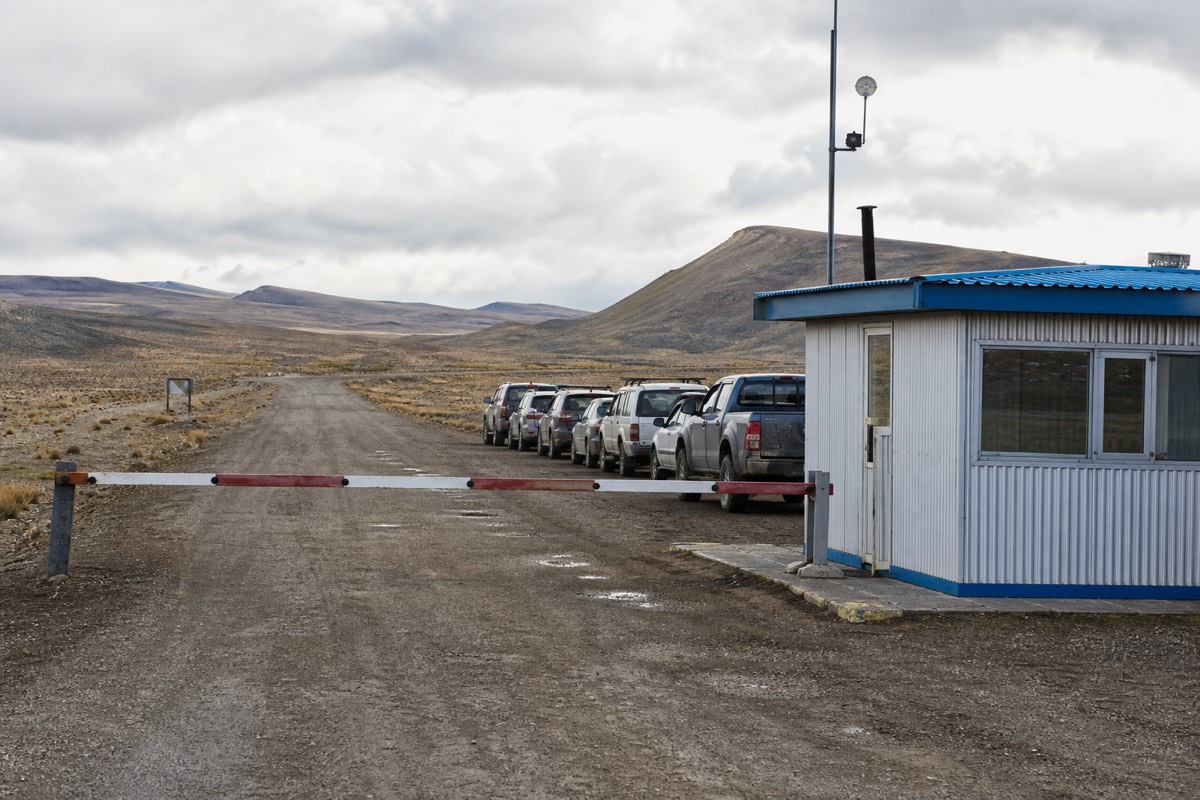
The structural difference matters more than the scenery. Torres del Paine concentrates granite towers, glacial lakes, an ice-field glacier and open steppe wildlife into one park you pay to enter and largely move through on organised transport. The Argentine side spreads its highlights across separate towns and separate days, with the walking mostly free to access straight from a village. Neither is better value in the abstract. They suit different trip shapes.
| Chile (Torres del Paine) | Argentina (El Chaltén and El Calafate) | |
|---|---|---|
| Signature sight | The three granite towers and the Cuernos | Fitz Roy, and the Perito Moreno glacier |
| Main base town | Puerto Natales, 112 km from the park | El Chaltén for trekking, El Calafate for the glacier |
| Walking style | Multi-day W or O routes, plus long day hikes | Day hikes from the village, no booking system |
| Accommodation | Refugios and campsites, reserved months ahead | Town hotels and hostels, walk out each morning |
| Park entry | 34,000 CLP a day, or 48,500 CLP multi-day | Fees vary by park and sector, check locally |
| Glacier access | Grey, by boat or on foot | Perito Moreno, by road and boardwalk |
Torres del Paine or El Chaltén: which walking base suits you?
Torres del Paine if you want a multi-day route with beds and meals waiting at the end of each stage. El Chaltén if you want to sleep in a town, choose your hike over breakfast and change your mind when the weather turns. The Chilean side rewards planning; the Argentine side rewards flexibility.
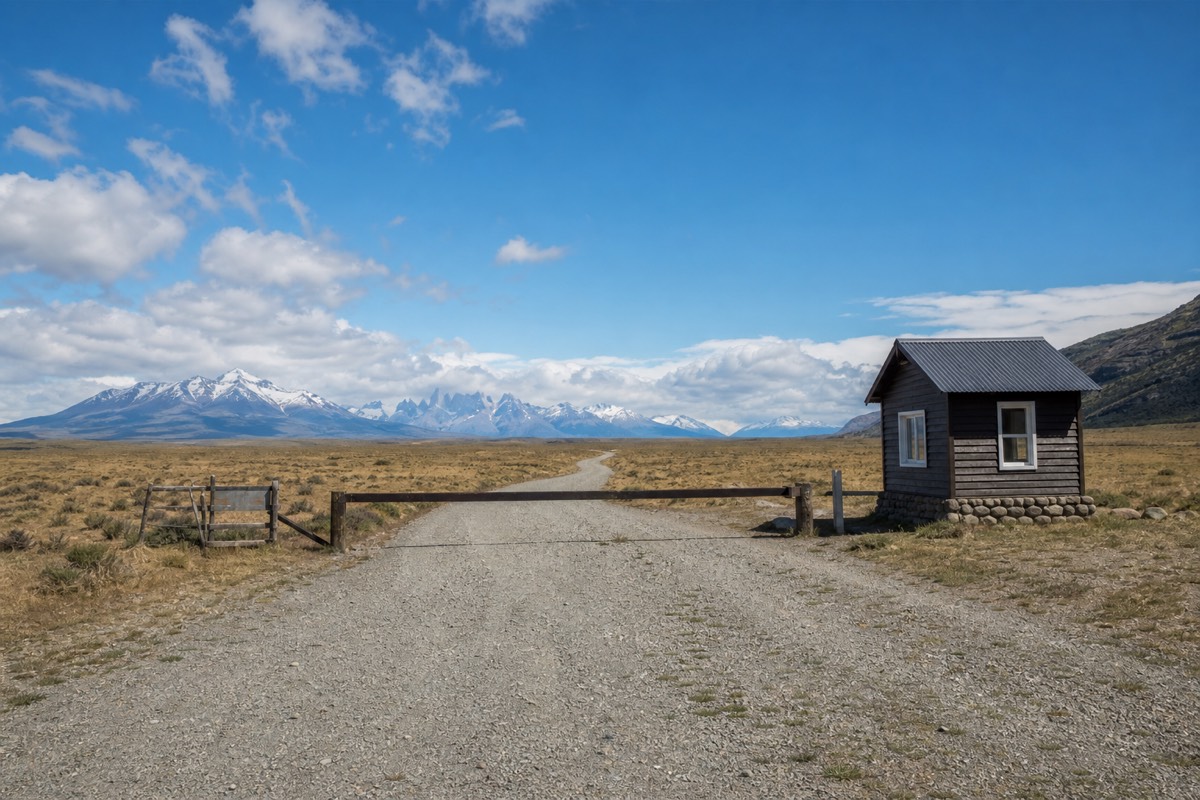
The W Trek runs about 80 km, with published figures ranging from 60 to 85 km depending on which side trips are counted, over a standard 4 to 5 days. It needs three separate bookings: the park ticket at pasesparques.cl, plus beds from two concessionaires who do not share a system, Las Torres Patagonia for the Central, Chileno and Serón sectors and Vertice Patagonia for Paine Grande, Grey and Dickson. The next season's calendar opens around April and Chileno sells out first, every year. That three-system problem, more than the walking, is what makes Chile the harder side to organise. El Chaltén asks none of that.
Is Grey Glacier or Perito Moreno the better glacier?
Perito Moreno is easier and more reliably dramatic; Grey is harder to reach and feels wilder. Perito Moreno sits near El Calafate with extensive boardwalks and calves visibly. Grey sits inside Torres del Paine and is reached by boat or on foot. They are hundreds of kilometres apart in different countries.
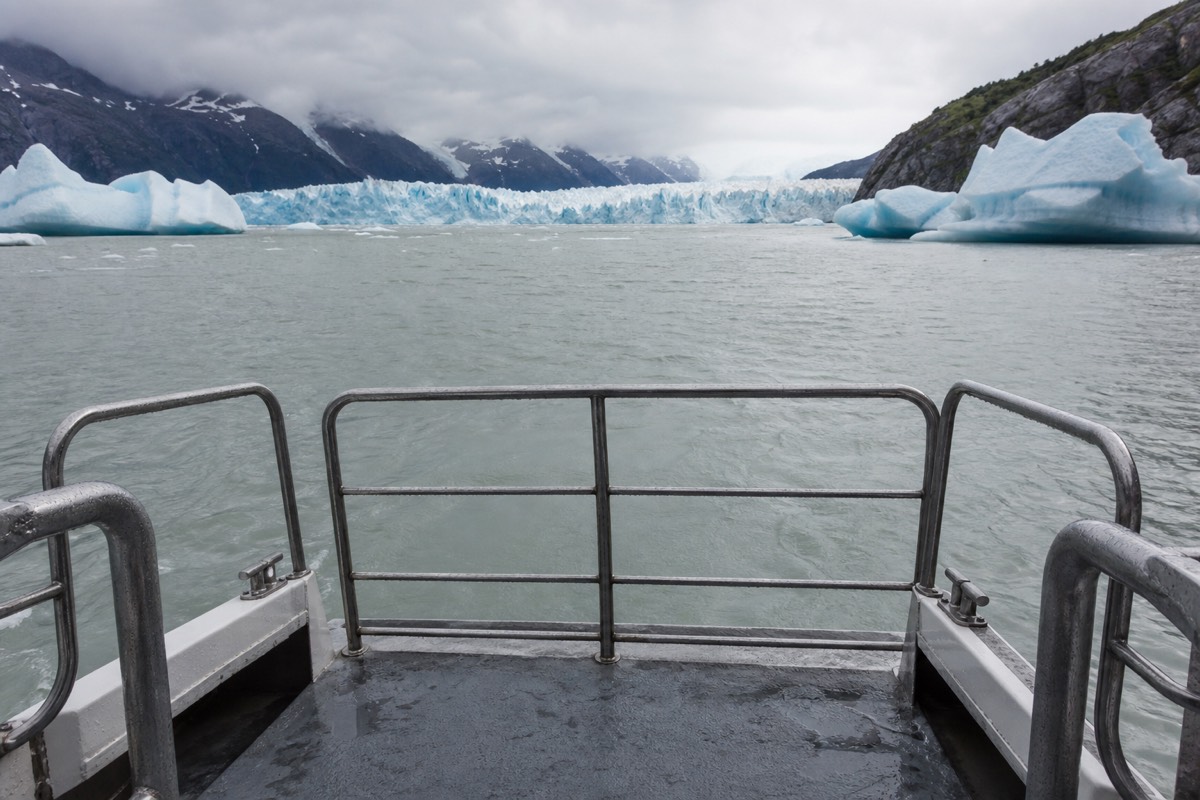
Grey runs roughly 28 km long and 6 km wide, covering something like 270 km2 off the Southern Patagonian Ice Field, with a face standing around 30 metres above the water. You reach it on the three hour cruise from the Hotel Lago Grey pier, on foot from Paine Grande at 11 km each way, or from Refugio Grey out to the mirador and the suspension bridges, 5.6 km round trip. Perito Moreno you reach by road and then walk a boardwalk. If you only have time for one glacier and want a guarantee, that difference decides it. The full comparison is in our Grey versus Perito Moreno verdict.
What does each side cost?
The Chilean figures are fixed and public: 34,000 CLP, about $36, for a foreign adult on a one-day park pass, or 48,500 CLP, about $51, for up to ten consecutive days. Argentine park fees vary by sector and change often, so check them locally rather than trusting an old blog post.
Beyond entry, Chile's costs are dominated by the in-park accommodation system. Vertice dorm beds are published at roughly $46 to $114 per person, own-tent sites at $11 to $14, and Las Torres equipped camping in the $30 to $50 range, rising to $40 to $90 at Serón in high season. Meals inside the park cluster around $25 for breakfast, $20 to $50 for a box lunch and $35 to $70 for dinner, so a full-board supplement near $100 a day is not unusual. A self-guided W comes out between roughly $600 and $1,500 all in; guided packages run $1,700 to $3,500 and up. Our five-day W is an independent trek with arranged lodging and specified meals; check the booking page for its current price. The fee detail sits in the tickets and fees guide, and prices move: CONAF applied a 4.9% inflation adjustment for January to April 2026 and postponed its new differentiated tariff system to 1 May 2026, so check the official park ticketing portal before you travel.
How hard is the border crossing between them?
Straightforward by bus, more work by car. El Calafate to the park is about 6 hours plus the border, with Bus-Sur running through to Puerto Natales for roughly $40 to $50 via the Cerro Castillo post. Rental cars need an advance cross-border permit costing around $150, and not every company allows it.
Two things catch people. First, Chile's agricultural service does not let fresh fruit, vegetables, meat, dairy or honey cross the border, so eat it or bin it before the checkpoint rather than at the desk. Second, Chilean immigration issues a tourist card, the PDI slip, on entry: keep it with your passport, because presenting both at hotel check-in is what triggers the 19% IVA exemption for foreign tourists paying in foreign currency. The route detail is in our El Calafate crossing guide, and the food restrictions come from SAG, the Chilean agricultural service.
How long does each side need, and how do you combine them?
Give Torres del Paine three to five days if you want to walk it, or a single long day if you only want to see it. Give El Chaltén two to three walking days and El Calafate one for the glacier. Ten days to two weeks covers both without rushing, moving Puerto Natales to El Calafate in one hop.
The most common mistake is trying to do both in a week. Distances here are large and the transfers eat days: Punta Arenas to Puerto Natales is 250 km and 3 to 4 hours, Puerto Natales to the park is another 112 km and 2 to 3 hours, and the crossing to El Calafate is a day in itself. If your time is genuinely short, pick one side and do it properly. Our itinerary guide maps the realistic day counts, and the park by park comparison goes deeper on the walking. If you are based on the Argentine side already, the overland day trip from El Calafate handles the border and the driving for you in 14 to 16 hours, and the four day Puerto Natales package covers the Chilean side including all park entrance fees. Everything we run is on the tours page.