Is It Worth Going to Puerto Natales?
Yes, mostly because everything for the park runs through it. How much time the town actually deserves, and when it is just a bed.
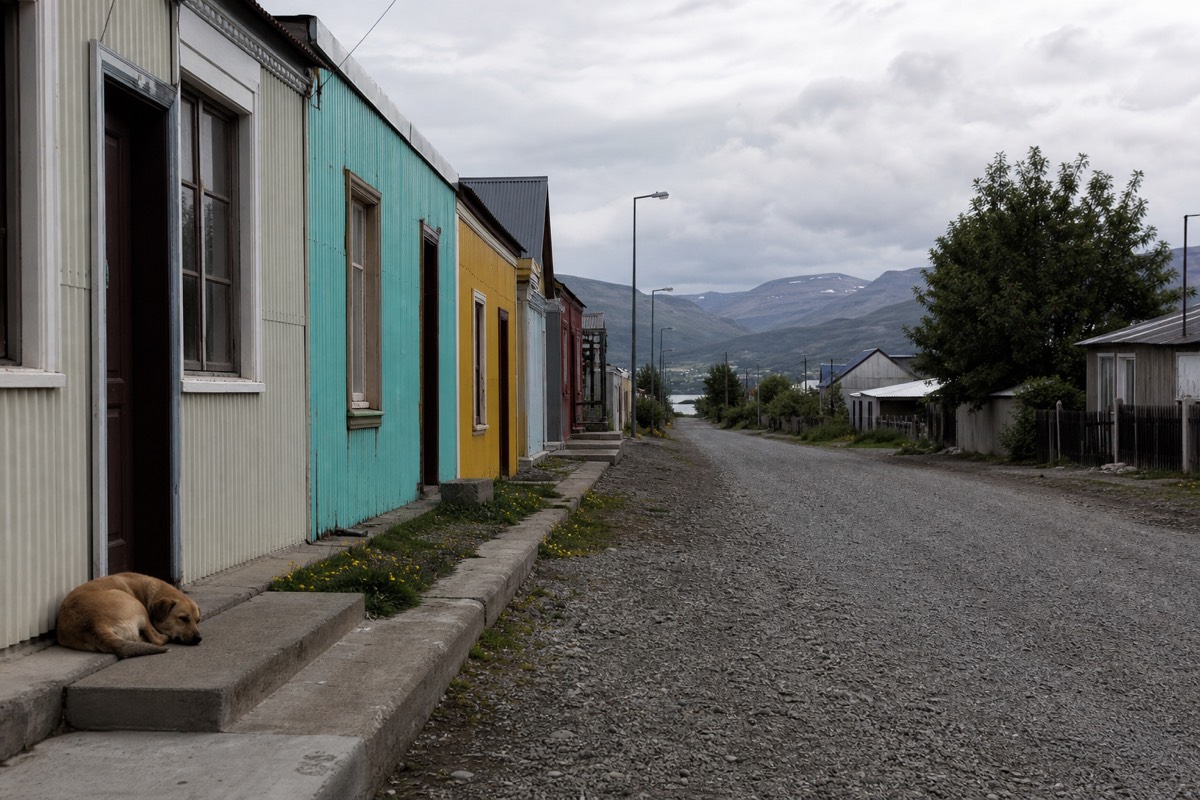
Yes, because everything for Torres del Paine runs through it. Buses, gear rental, supermarkets, tour departures and the park tickets you should already have bought all live in Puerto Natales. It also has a fjord of its own, the Milodon Cave, and the Balmaceda and Serrano navigation, a six-hour bilingual excursion departing from EPA pier.
Puerto Natales earns extra time when you want its fjord or need a calm logistics day. Otherwise it works well as the departure base for the park.
Booking Choice: Add a day for the Balmaceda–Serrano navigation, keep one logistics night before an early park departure, or treat the town as a bed when your itinerary is already arranged. Explore Balmaceda & Serrano Glaciers Cruise with Traditional Lunch
What it is not is a scenic town in the way the brochures imply. It is a working port on Seno Última Esperanza with corrugated iron, a windy waterfront and very good food for its size. Whether it deserves a day of your trip or just a bed depends entirely on how you are getting into the park.
Why does everything for the park run through Puerto Natales?
Because it is the closest town to Torres del Paine, 112 km away and 1.5 to 2 hours by road, and it holds the entire support system: the bus terminal, gear rental, supermarkets and every tour departure. There is no equivalent town on the other side of the park and no fuel stations inside it.
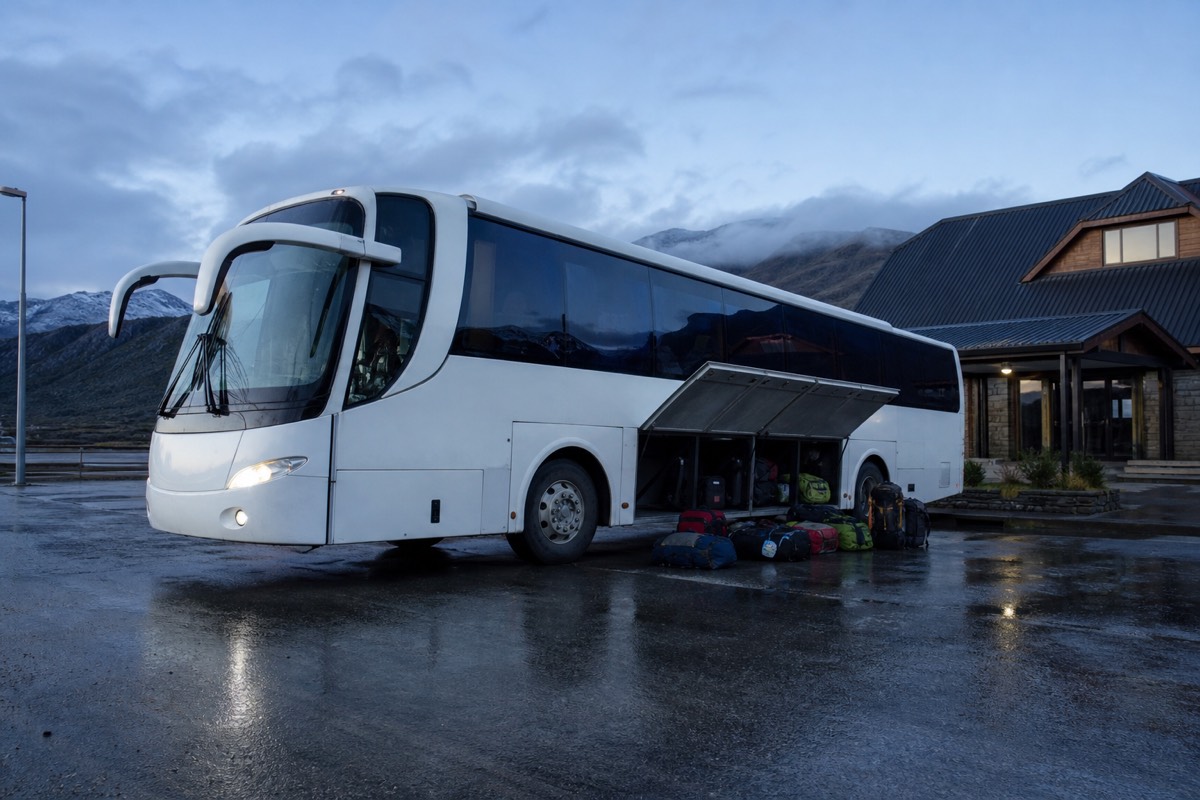
Buses leave from the Terminal Rodoviario with high-season departures commonly around 06:45, 07:00, 12:00 and 14:30, stopping at Laguna Amarga, Pudeto and Administración, and cost roughly $20 to $29 one way. Allow 2 to 3 hours to Laguna Amarga. Note also the connection people forget: the shuttle from Laguna Amarga to the Welcome Center is a separate 7 km leg at 4,000 to 4,500 CLP, cash only. There is no Uber in Puerto Natales, and private transfers run around $150. The full transport picture is in our Puerto Natales to the park guide.
| What you need | Where it happens | Published figure |
|---|---|---|
| Bus to the park | Terminal Rodoviario | $20 to $29 one way, 2 to 3 hours |
| Bus from Punta Arenas airport | Bus-Sur, Buses Fernández | 250 km, 3 to 4 hours, $9 to $26 |
| Tent rental | Rental Natales | about $37 a day |
| Sleeping bag rental | Rental Natales | about $8 a day |
| Private transfer to the park | Local operators, no Uber in town | around $150 |
| Laguna Amarga shuttle | Meets arriving buses | 4,000 to 4,500 CLP, cash only |
Is the Balmaceda and Serrano navigation worth a day?
Yes, if you have a spare day or the park is weathered out. The verified six-hour Balmaceda and Serrano navigation departs from EPA pier and includes a short forest walk; arrange transport to the pier and confirm fees.
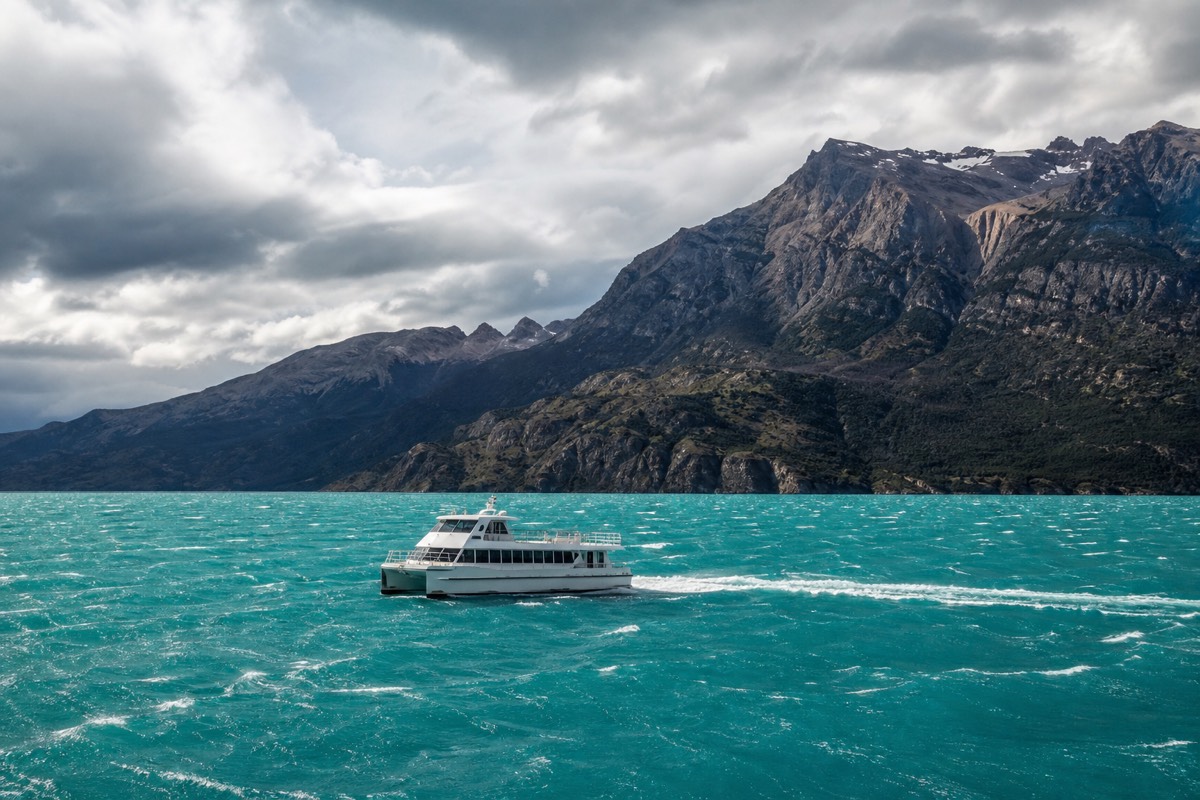
It is also a genuinely different landscape: fjord walls, sea birds and hanging ice rather than granite and steppe. On our four day package the navigation runs about four hours and pairs with a Patagonian lunch at Estancia Perales. As a standalone it works best as a buffer day, the thing you keep in reserve for when wind cancels something in the park, which happens often enough that a spare day is the single most useful thing in a Patagonia itinerary.
Is the Milodon Cave worth stopping for?
Worth thirty to forty minutes, not a dedicated trip. The Milodon Cave is a natural monument on the road between town and the park, named for the giant ground sloth whose remains were found there. Most day tours from Puerto Natales include the stop, with the entrance fee usually paid separately.
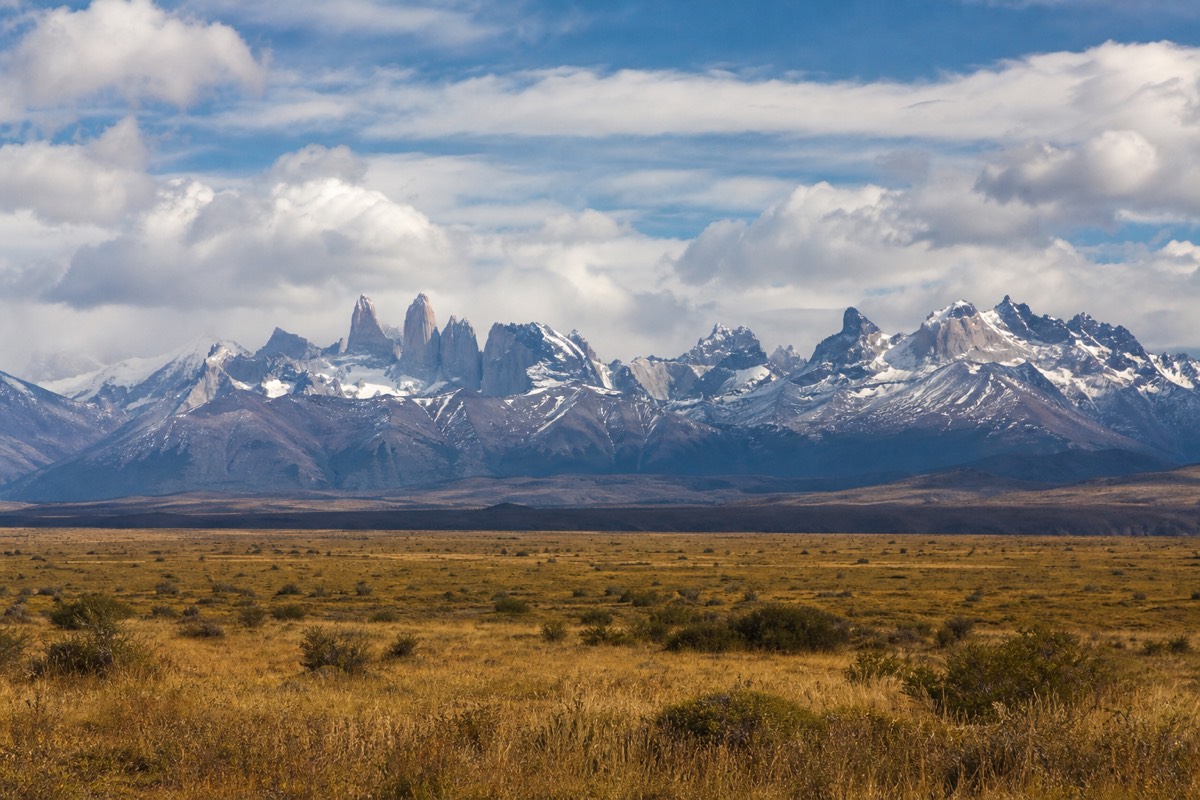
Treat it as a bonus on a route you are driving anyway rather than an outing. The full day park tour from town takes it in alongside Villa Cerro Castillo, the Sarmiento Lake viewpoint, Laguna Amarga with its flamingos and frontal view of the towers, a 30 minute walk to Salto Grande and the Nordenskjöld viewpoint, returning between 17:00 and 18:00. That single day is the most efficient use of Puerto Natales as a base that we sell.
How many days should you give Puerto Natales?
One full day is plenty for the town itself, plus a night either side of the park. Two days if you want the fjord navigation. If you are walking the W, budget an arrival day for gear rental and supermarket shopping, and a recovery day afterwards, because both are more useful than they sound.
The arrival day earns its place. You are collecting a rented tent at about $37 a day or a sleeping bag at about $8, buying trail food that costs considerably more inside the park, printing or downloading your park ticket, and confirming bus times that shift with the season. Doing all of that on the morning you are meant to leave is how people miss the 07:00 bus. Where to base yourself across the whole trip is covered in our accommodation guide, and the town in detail sits in the Puerto Natales guide.
When is Puerto Natales just a bed for the night?
When you are on a guided package that collects you from your hotel, or when your park days are already fixed and the weather is good. If you are doing one day trip and moving on, the town is a pillow and a breakfast. There is no shame in that.
Day trips leave early, which is the deciding factor. The full day tour picks up around 07:00, and the guided Base Torres trek collects between 06:30 and 07:00 and returns between 20:00 and 21:00. Two of those back to back and you will see the inside of a restaurant and nothing else. The guided Base Torres trek from Puerto Natales is a 10 to 12 hour day for that reason. Plan the town around the tours, not the other way round.
Is it worth going if you are not visiting the park at all?
Probably not as a destination in itself. Almost everyone in Puerto Natales is there because of Torres del Paine, and the town's restaurants, gear shops and tour desks exist to serve that. The fjord and the cave are good, but they do not on their own justify the 250 km from Punta Arenas.
If you are weighing whether the whole trip is worth making, that question is answered separately in is Torres del Paine worth visiting, and the routes in are set out in how to get to the park. You can see everything we run from the town on our tours page. For the regional climate baseline, the Puerto Natales normals are published at weatherspark, and general destination information for the region comes from Chile's official tourism board.