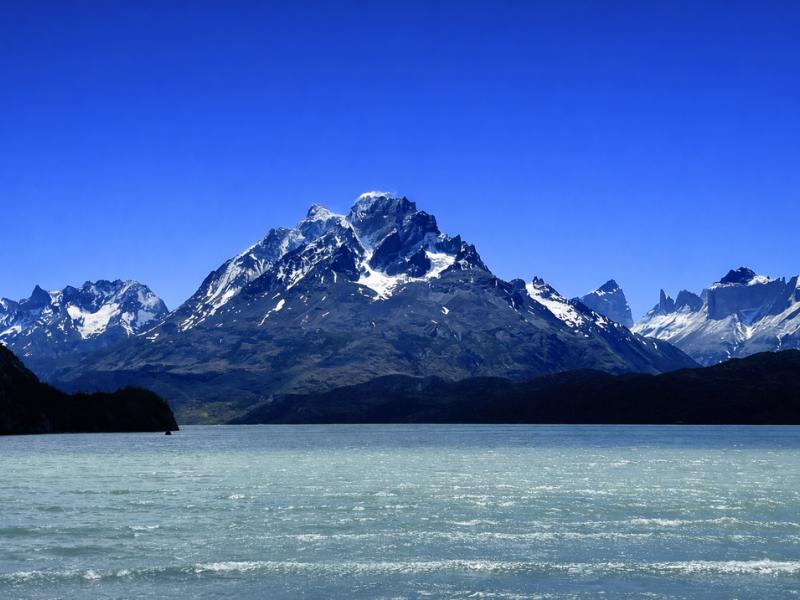
Torres del Paine Tours

Explore the Iconic Towers and Glaciers with Expert Local Guides

Book the best Torres del Paine National Park tours in Patagonia. Discover the famous W Trek, Grey Glacier, French Valley, Base of the Towers viewpoint, wildlife spotting (guanacos, condors, pumas) and stunning turquoise lakes on small-group or private day trips and multi-day expeditions from Puerto Natales. Secure your unforgettable Torres del Paine adventure today!

4.8 READ MORE

Day Torres Del Paine Tours

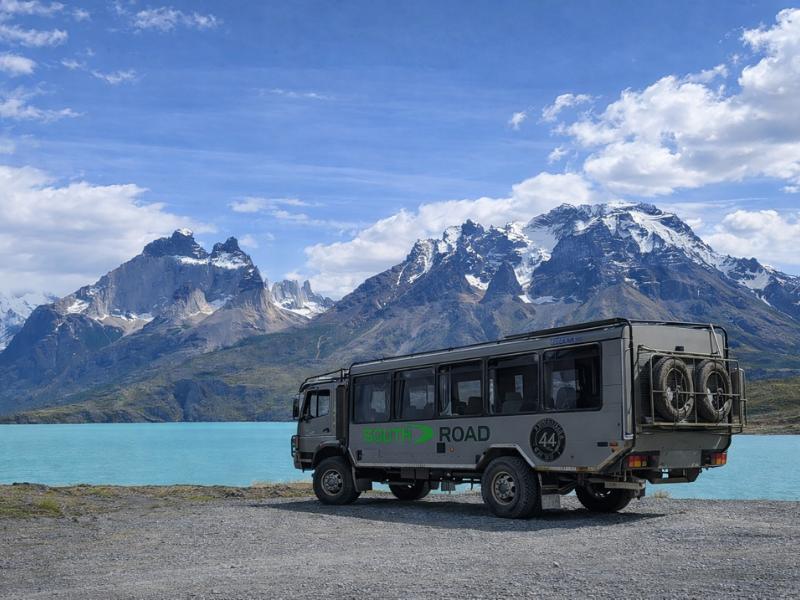
Our Torres del Paine day tours hit the park's essentials in one epic push: drive deep to the base of the iconic granite towers for the classic viewpoint hike, cruise Grey Lake for massive icebergs calving off the glacier, spot guanacos and condors on open plains, and stop at turquoise Pehoé Lake with Paine Massif backdrops.

Torres del Paine Full-Day Adventure Tour from Puerto Natales
TOP RATED

Torres del Paine Full-Day Adventure Tour from Puerto Natales

Torres del Paine’s granite peaks, turquoise lakes, and glaciers are breathtaking, and this guided full-day tour lets you see the highlights without planning transport. Hotel pickup in Puerto Natales, scenic drive into the park, panoramic stops at viewpoints, and insights from your guide on history, flora, and fauna. Relaxed pace, stunning nature – the perfect way to experience Patagonia’s crown jewel in one day.

Read more
4.7
10 hours
2.555+ bookings
Torres del Paine: 3-Hour Grey Glacier Scenic Cruise
TOP RATED

Torres del Paine: 3-Hour Grey Glacier Scenic Cruise

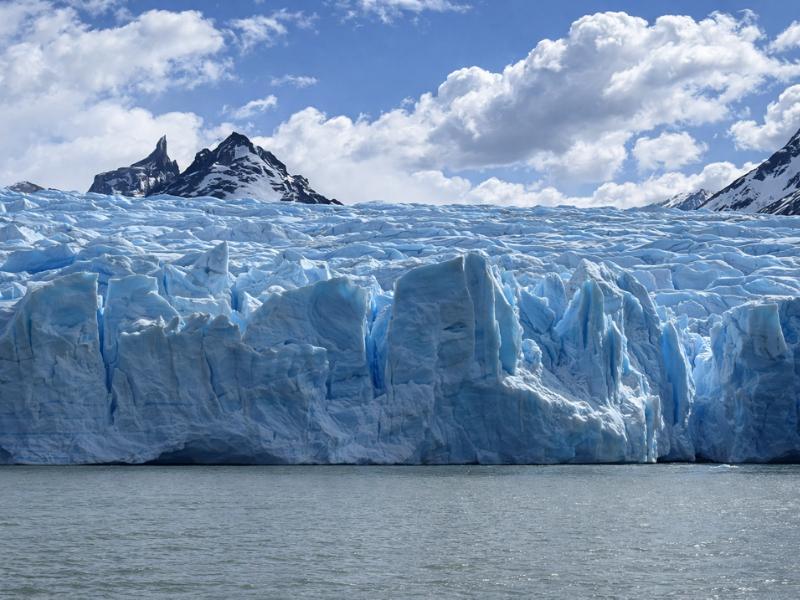
Sail 3 hours across Grey Lake in Torres del Paine National Park, surrounded by floral landscapes, lush greenery, and towering mountains. After 1 hour of stunning scenery, reach the front wall of the massive Grey Glacier – over 25 meters tall with vivid blues, intricate shapes, and mysterious interior sounds. Enjoy the spectacle with an included pisco sour onboard. Safe, comfortable vessel with indoor cabin and outdoor deck.

Read more
4.4
4 hours
2.542+ bookings
Torres del Paine Full-Day Overland 4x4 Expedition from El Calafate
TOP RATED

Torres del Paine Full-Day Overland 4x4 Expedition from El Calafate

Travel to Torres del Paine National Park in a rugged adventure truck via an unpaved shortcut that saves hours on the road. Spend the morning hiking to spectacular viewpoints of the dramatic mountain landscape. Enjoy a provided picnic lunch, then set out on a 2-hour hike to the stunning Lake Pehoé and Lake Nordenskjöld for breathtaking perspectives of Patagonia’s wild beauty.

Read more
4.6
14 hours
2.002+ bookings

Trekking Torres Del Paine Tours

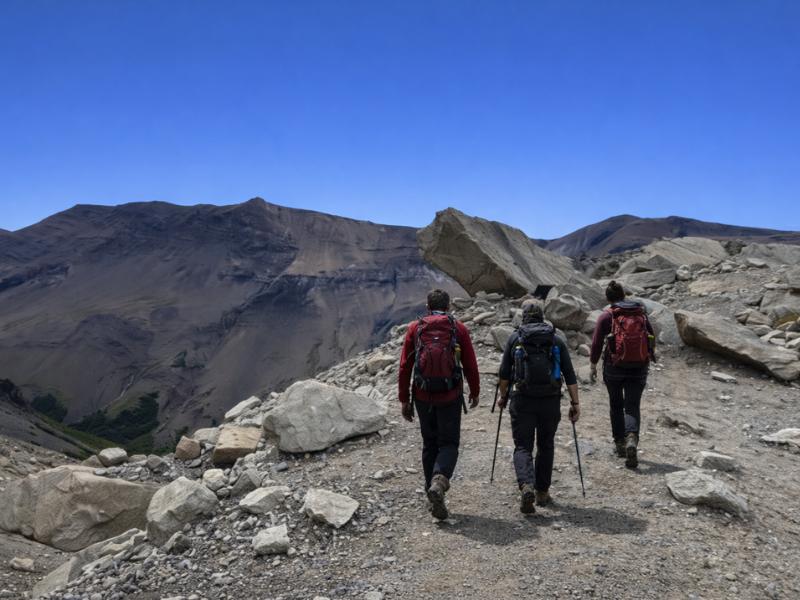
Our trekking Torres del Paine tours take you deep into Patagonia’s wild heart with guided multi-day hikes on the classic W Trek, O Circuit, or shorter day sections like the French Valley, Grey Glacier lookout, and the towers base viewpoint.

Torres del Paine Base Torres Trekking Day Trip from Puerto Natales

This 1-day hike reaches the iconic Base Torres viewpoint without multi-day commitment. Join a small group from Puerto Natales for a moderate trek through Ascensio Valley forests, past glaciers, to stunning panoramic views of the famous granite towers. Year-round option with crampons for winter ice/snow. All gear provided, guide attention high – perfect for time-pressed visitors chasing the park’s signature peaks.

Read more
4.4
12 hours
905+ bookings
Torres del Paine 2-Day Express Tour – Aventura & Highlights
TOP RATED

Torres del Paine 2-Day Express Tour – Aventura & Highlights

Explore Torres del Paine’s dramatic peaks on this 2-day guided trek. Day 1: hike ~22 km to Base Torres viewpoint for stunning views of the three towers, lagoon, and glacier, then overnight in a fully equipped tent at Pehoé Camping with dinner. Day 2: morning Cóndor viewpoint hike, Cuernos viewpoint trek, and Aonikenk Trail for wildlife and ancient rock paintings. Includes transport, bilingual guide, meals, trekking poles/crampons in winter.

Read more
4.8
24 hours
644+ bookings
Torres del Paine W Trek Alternative 3-Day Guided Tour
TOP RATED

Torres del Paine W Trek Alternative 3-Day Guided Tour

This group adventure explores Torres del Paine highlights over 3 days with a local expert guide. Hike the Base Torres trail, French Valley, and Grey Glacier Viewpoint. Stay 2 nights at peaceful Camping Pehoé on the lake shore – no need to carry full backpacks daily. Enjoy Patagonian cuisine and insights on wildlife, flora, culture, and history. Comfortable, enriching, and unforgettable.

Read more
5
72 hours
141+ bookings
4-Day Torres del Paine Experience – Departing Puerto Natales
TOP RATED

4-Day Torres del Paine Experience – Departing Puerto Natales

Chilean Patagonia’s wild beauty unfolds on this small-group 4-day adventure (max 15). You’ll explore Torres del Paine National Park’s iconic peaks, turquoise lakes, and trails, cruise to shimmering Balmaceda and Serrano glaciers, stay in Puerto Natales hotels with breakfasts and lunches included, and enjoy a relaxed pace with an expert guide. Stunning landscapes make this the perfect intro to Patagonia’s magic.

Read more
4.9
96 hours
211+ bookings

5-Day Torres del Paine W Trek – Guided Patagonia Adventure

Escape to Torres del Paine for 5 days of independent trekking through Patagonia’s iconic landscapes. Hike at your pace to Nordenskjöld Lake, French Valley, and Grey Glacier, with meals and accommodation included (single, double, or dorm options). No planning needed – just immerse in Chile’s dramatic peaks, turquoise waters, and wildlife while camping in the park for a true nature adventure.

Read more
4
120 hours
124+ bookings
6-Day Self-Drive Torres del Paine National Park Adventure
TOP RATED

6-Day Self-Drive Torres del Paine National Park Adventure

Torres del Paine’s dramatic peaks, turquoise lakes, glaciers, and wildlife shine brightest when explored at your own pace. This 6-day self-drive package gives you unlimited mileage and a customizable itinerary in your own vehicle. Stay in comfortable accommodations, focus on your favorite hikes, viewpoints, or wildlife spots, and avoid crowds in a private experience for just your group. Hassle-free independence in Patagonia’s crown jewel.

Read more
4.7
144 hours
149+ bookings

Why Torres del Paine is a Must-Visit Destination

In the far south of Chilean Patagonia, Torres del Paine National Park delivers raw, otherworldly beauty—jagged granite towers rise straight from turquoise lakes, massive glaciers calve into milky rivers, windswept grasslands stretch to the horizon, and guanacos roam like they own the place. Hike to the iconic granite towers at sunrise, trek the famous W or O circuit through valleys of ice and wildflowers, kayak beside floating icebergs, or just sit at a viewpoint while condors circle overhead and the wind carries the scent of cold stone. It's rugged, remote, and humbling—nature at its most dramatic. With Torres del Paine Tours, you'll get expert local guides who know the best trails and hidden spots, small-group adventures that avoid the crowds, comfortable transport from Puerto Natales, and the chance to see pumas, foxes, and Andean condors while the towers glow pink against a stormy sky. One trip here changes how you see the world.

The Three Towers & Sunrise Hike

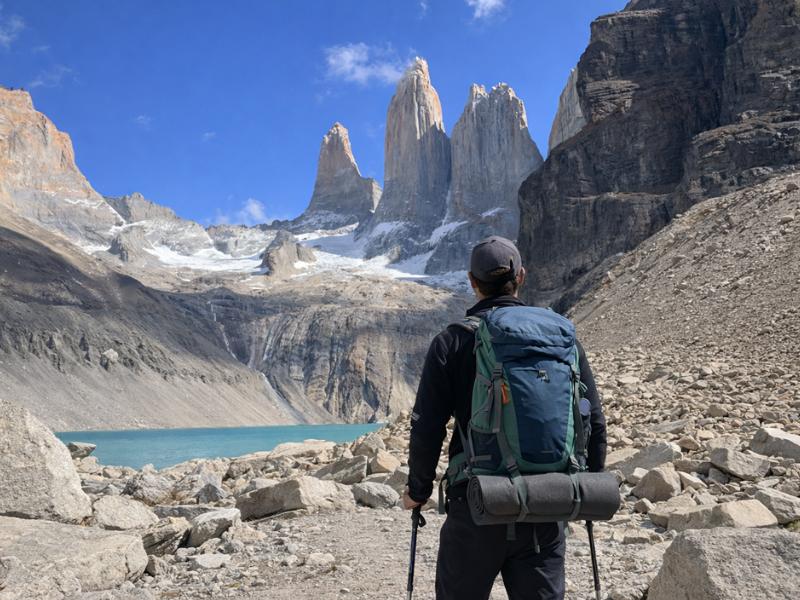
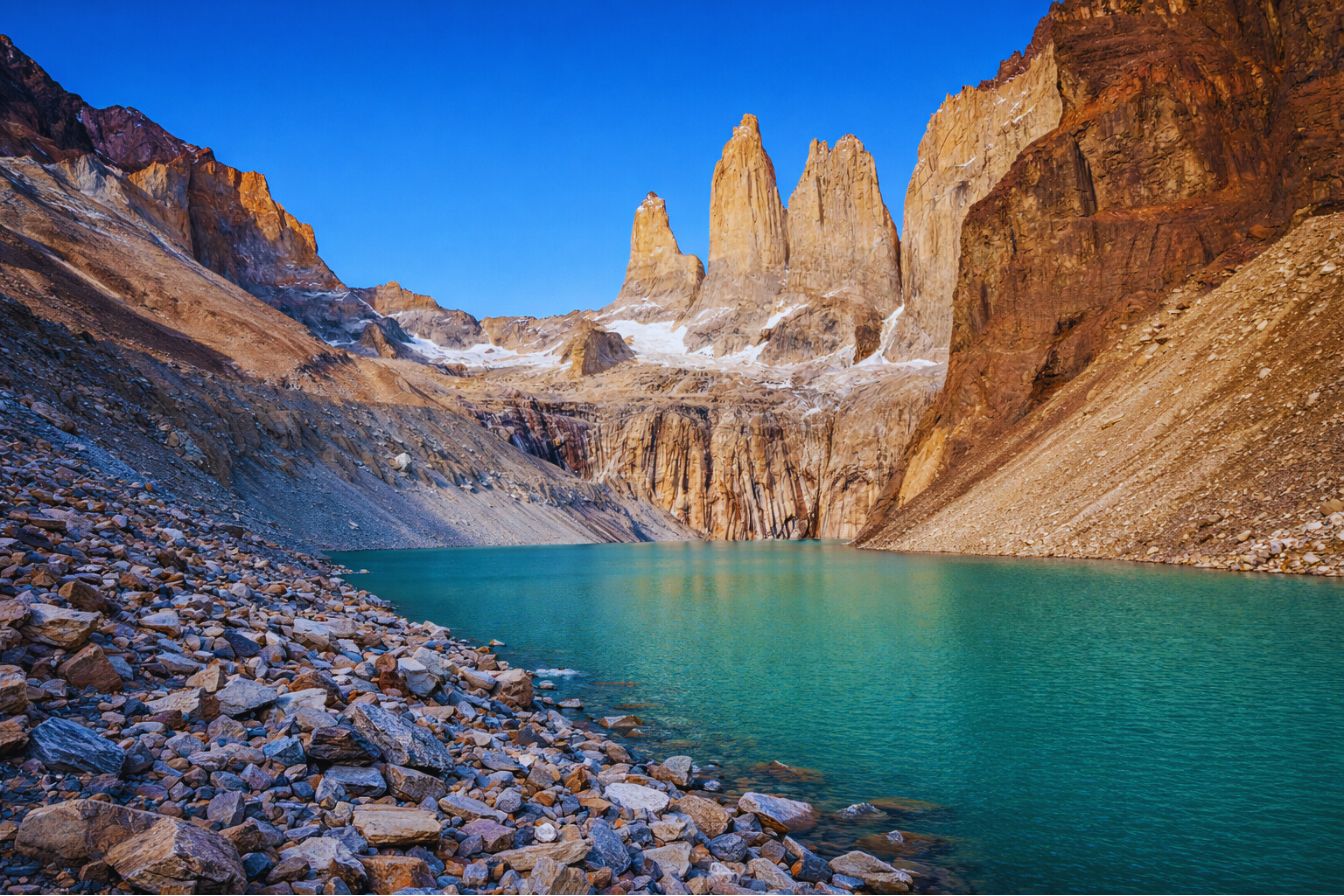
Trek to the base of the famous granite spires at dawn, watch the first light turn the peaks electric pink and orange, and stand in silence as the towers tower 3,000 meters above turquoise Laguna Torres.

Grey Glacier & Iceberg Kayaking

Sail or kayak right up to the massive face of Grey Glacier, dodge floating icebergs in electric blue water, and hear the deep cracks and thunder as chunks calve into the lake.

French Valley & Mirador Británico

Hike into the heart of the French Valley for views of hanging glaciers, snow-covered peaks, and waterfalls crashing down sheer cliffs, then push on to the epic panoramic lookout at Británico.

Wildlife & Patagonia Vistas

Spot guanacos grazing on golden pampas, watch Andean condors soar on thermals, catch glimpses of elusive pumas, and take in sweeping views across turquoise lakes framed by the Paine massif.

Meet the Team of Torres Del Paine Tours

Torres del Paine National Park Adventure

Our expert team has been helping navigate and book Torres del Paine tours and activities for tourists from all over the world for over a decade, ensuring you have a hassle-free trip with everything booked in advance.

With deep knowledge of Patagonia’s wild landscapes, granite towers, glaciers, and turquoise lakes, partnerships with the best local operators, and a passion for creating unforgettable experiences, we're committed to making your Torres del Paine adventure truly extraordinary. From your first inquiry to your last tour, we're here to support you every step of the way.

Award-Winning Patagonia & Wilderness Experience

Torres Del Paine Tours is recognized by leading travel platforms worldwide

Chile Patagonia Excellence Award

2024

Torres del Paine Explorer Choice Award

2024

Best Torres del Paine Tour Operator

2025

Patagonia Region Sustainable Tourism Award

2024

Granite Towers & Glacier Heritage Verified Excellence

2023

The easiest and most common way to reach Torres del Paine National Park from Puerto Natales is by public bus — direct services run daily to the main park entrances (Laguna Amarga or Pudeto), taking about 2–2.5 hours and costing CLP 10,000–15,000 one-way (~$10–15 USD in 2025).

Buses depart from the Terminal de Buses Puerto Natales (main bus station) several times daily, especially in high season (November–March), with the most popular departures around 7:00–8:00 AM (to arrive early for hikes) and later options around 12:00–1:00 PM. Companies like Bus-Sur, Buses Pacheco, and Turismo 21 de Mayo operate reliable services — buy tickets at the terminal or online (recommended in peak season). Buses drop at Laguna Amarga (park entrance + fee payment) or Pudeto (for catamaran to Paine Grande if doing the W trek).

Alternative options:

  • Private transfer/taxi: 2 hours, CLP 80,000–150,000 ($80–150 USD) for the vehicle (shared or private) — door-to-door from your hotel in Puerto Natales to your lodge or trailhead.
  • Rental car: ~2–2.5 hours drive (120 km via Ruta Y-290) — flexible for stops (e.g., Laguna Azul viewpoint), but roads can be gravel/dusty near the park, and parking is limited at popular trailheads.
  • Organized shuttle: Many hotels/hostels in Puerto Natales offer shared shuttles (~CLP 20,000–30,000 pp round-trip) — convenient and often includes park entry coordination.

The public bus is the best independent option — reliable, cheap, and direct to the park entrances.

You can book guided Torres del Paine day tours or multi-day treks from Puerto Natales (with round-trip transport, expert guide, and all park logistics) at https://torresdelpainetours.com/.

Yes, you can do Torres del Paine National Park as a day trip from Puerto Natales — it's a very common and well-organized option, with the round-trip taking about 10–12 hours (including 2–2.5 hours each way by bus or private transfer).

Most day trips depart Puerto Natales early (usually 7:00–8:00 AM) and return around 7:00–9:00 PM, giving you 5–7 hours in the park to visit the main highlights:

  • Mirador Las Torres viewpoint (short to moderate hike to the famous towers)
  • Salto Grande waterfall
  • Laguna Amarga entrance and viewpoints
  • Laguna Nordenskjöld or Laguna Pehoé (depending on the route)
  • Wildlife spotting (guanacos, condors, foxes) from viewpoints and roads

Guided tours include comfortable transport (minibus or 4x4), an English-speaking guide, park entrance fees (~CLP 55,000 for foreigners in 2025–2026), and sometimes lunch or snacks. The itinerary focuses on the eastern side of the park (accessible by road) — you won't have time for the full W trek or remote western areas.

Pros of a day trip:

  • Efficient and hassle-free — no need to book overnight accommodation or manage logistics.
  • Affordable (~CLP 80,000–150,000 pp, depending on private vs shared).
  • Covers the most iconic viewpoints and towers without multi-day trekking.

Cons:

  • Long travel time — you spend more hours on the road than in the park.
  • Limited time — no sunrise/sunset at the towers, no long hikes (e.g., full Mirador Las Torres takes 8–10 hours round-trip).
  • Can feel rushed — especially if weather or crowds slow things down.

If you want a more relaxed experience with sunrise/sunset views, longer hikes (e.g., Base of the Towers or French Valley), or to see the western side (Grey Glacier, Paine Grande), staying 1–3 nights in Puerto Natales or inside the park (e.g., at Refugio Las Torres or Explora) is much better. But for most first-timers with limited time, the day trip delivers the essential Meteora-style "wow" of the towers and peaks.

You can book highly rated Torres del Paine day tours from Puerto Natales (with round-trip transport, expert guide, park fees, and main viewpoints) at Torres Del Paine Tours.
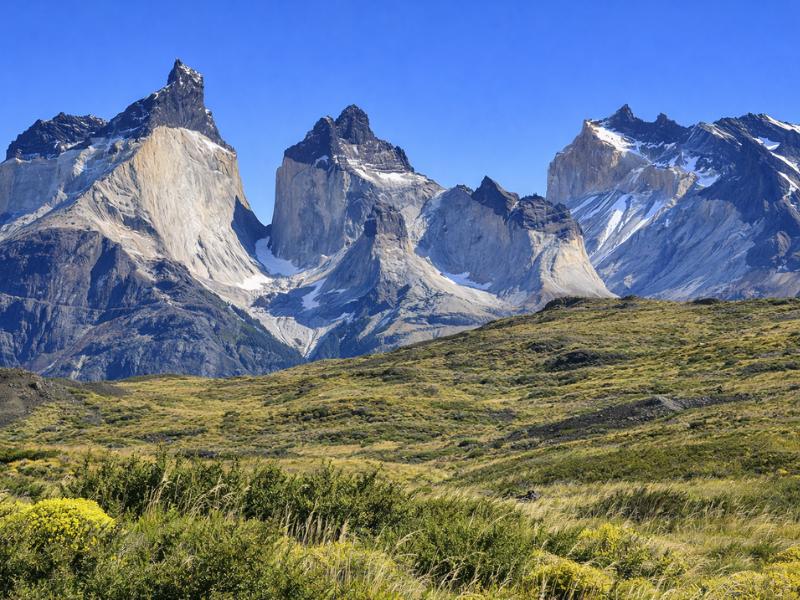
Private tours are generally better for most visitors to Torres del Paine — they offer more flexibility, comfort, personalized pacing, and access to quieter viewpoints, while group bus tours are more affordable and still deliver the core highlights reliably.

Here’s a clear comparison for day trips from Puerto Natales in 2025–2026:

Private tour (your group only, 2–8+ people)

  • Price: CLP 150,000–350,000+ total (~$160–380 USD), lower per person with larger groups.
  • Pros:
    • Fully customizable — choose start time (earlier for sunrise views or fewer crowds), which viewpoints/mirrors to prioritize, how long to stay at each stop (e.g., linger at Mirador Las Torres or Salto Grande), add extra hikes or photo detours.
    • Private 4x4 or minivan — more comfortable, direct hotel pickup/drop-off, no waiting for 30–50 people.
    • Dedicated guide — full attention, answers all questions, adjusts for kids, photography, or mobility needs.
    • Avoid crowds — start before buses arrive, visit quieter trails or viewpoints, better chance of wildlife spotting.
    • Often includes extras like a private lunch or cenote stop.
  • Best for: Couples, families, photographers, those wanting sunrise/sunset light, or anyone who dislikes rigid schedules.

Group bus tour (shared bus, 20–50 people)

  • Price: CLP 60,000–120,000 per person (~$65–130 USD) — much cheaper.
  • Pros:
    • Excellent value — transport, guide, park fees, and a proven itinerary (usually 4–5 main viewpoints: Laguna Amarga, Salto Grande, Laguna Nordenskjöld, Mirador Las Torres viewpoint).
    • Social — meet other travelers if you enjoy that.
    • Fixed schedule — no planning needed, efficient for first-timers.
  • Cons:
    • Less flexibility — fixed stops and timings, less time at favorite spots, no adjustments for weather or crowds.
    • Shared bus — multiple hotel pickups, longer travel time, less personal attention from guide.
    • More crowded at viewpoints — you arrive with the big groups, harder to get clear photos.
  • Best for: Solo travelers, budget-conscious visitors, or those happy with a standard highlights tour.

Verdict

  • Choose private tour if you can afford it — it’s the clear winner for comfort, flexibility, better light/photos, and avoiding crowds (especially worth it for sunrise or longer hikes).
  • Choose group bus tour if budget is a priority or you just want the main viewpoints without extra cost — still very good value and reliable.

You can book either private or group bus Torres del Paine day tours from Puerto Natales (with transport, guide, park fees, and main viewpoints) at https://torresdelpainetours.com/.

The entrance fee for foreigners to Torres del Paine National Park in high season (December to February) 2026 is CLP 55,000 (approximately USD 55–60, depending on exchange rates).

This is the standard adult fee for non-Chilean citizens. Key details:

  • High season (December–February): CLP 55,000.
  • Low season (March–November): CLP 44,000 (reduced rate).
  • Children under 12: Free.
  • Chilean residents: CLP 25,000–30,000 (depending on season).
  • Payment: Cash (Chilean pesos preferred) or card at the main entrances (Laguna Amarga or Sarmiento).
  • The fee is valid for the entire length of your stay in the park (multiple entries allowed on the same ticket within your visit period).

Most guided day tours from Puerto Natales include this fee in the tour price, so you don’t pay separately on the day.

You can book highly rated Torres del Paine day tours from Puerto Natales (with round-trip transport, expert guide, and park entrance fee included) at Torres Del Paine Tours.

No, you do not need to book park entrance tickets in advance for Torres del Paine National Park — you can buy them on the spot at the main entrances (Laguna Amarga or Sarmiento) when you arrive.

The entrance fee (CLP 55,000 for foreigners in high season 2026) is paid in cash (Chilean pesos preferred) or by card at the ticket booths. There is no online pre-booking system or quota/limited-entry restriction for day visitors — the park is open to everyone who pays the fee, and tickets are sold first-come, first-served on the day.

When it's smart to plan ahead anyway:

  • High season (December–February): Very busy, especially around Christmas/New Year and January–February. Arrive early (before 9–10 AM) to avoid long lines at Laguna Amarga (the busiest entrance). Some days the queue can take 30–60+ minutes.
  • Guided day tours from Puerto Natales: The tour operator usually buys your ticket for you (included in the price), so you skip the line and enter faster.
  • Multi-day treks (W trek, O circuit): You do need to book campsites/refugios in advance (via official sites like Fantástico Sur or Vertice Patagonia), but that's for accommodation, not the park entrance.

Practical tips:

  • Bring cash (small bills) as backup — some booths prefer it, and card machines can occasionally fail.
  • Have your passport/ID ready (required for foreigners).
  • If self-driving or taking public bus, arrive at opening (~8 AM) to beat the crowds and get the best parking/light.

You can book guided Torres del Paine day tours from Puerto Natales (with round-trip transport, expert guide, and park entrance fee included — no need to queue or buy tickets yourself) at https://torresdelpainetours.com/.

The W Trek is a shorter, more popular multi-day hike in Torres del Paine National Park, shaped like a "W" on the map, while the O Circuit is a longer, full-loop trek around the entire Paine Massif, shaped like an "O" — the W is the classic introduction to the park, and the O is the more complete, remote, and challenging version.

Here’s a clear breakdown:

W Trek

  • Duration: 4–5 days (most people do 4 days/3 nights).
  • Distance: ~70–80 km total.
  • Difficulty: Moderate — some steep climbs (especially to Mirador Las Torres and French Valley), but well-marked trails, many refugios/campsites, and support.
  • Highlights:
    • Mirador Las Torres (iconic view of the three towers).
    • French Valley (glacier and hanging valley).
    • Grey Glacier (massive ice field).
    • Paine Grande and Los Cuernos viewpoints.
  • Accommodation: Mix of refugios (dorm beds) and camping (many book refugios for comfort).
  • Crowds: Busier — most popular trek in the park, especially high season (Dec–Feb).
  • Best for: First-timers, those with limited time, or wanting the "essential" Torres del Paine experience without the full commitment.
  • Cost: Lower — fewer nights, more campsite/refugio options.

O Circuit

  • Duration: 8–10 days (most do 9 days/8 nights).
  • Distance: ~130–150 km total (full loop around the Paine Massif).
  • Difficulty: Moderate to challenging — longer daily distances (18–25 km), more remote sections, steeper climbs, and less support (fewer refugios, more camping).
  • Highlights:
    • All the W Trek spots + the quieter, wilder back side (Paso John Gardner — highest point, ~1,200 m).
    • Grey Glacier from the west side (more dramatic).
    • Dickson Lake and Valley (remote, stunning turquoise lake).
    • Less crowded trails, more solitude, and a true "around the massif" feel.
  • Accommodation: Mostly camping (refugios limited on the back side), some nights at basic refugios.
  • Crowds: Much quieter — only a fraction of W Trek hikers continue to the O Circuit.
  • Best for: Experienced hikers, those wanting a full adventure, solitude, and to see the entire Paine Massif.
  • Cost: Higher — more days, more food/supplies, fewer refugio options.

Verdict

  • Choose W Trek if:
    • You have 4–5 days or less.
    • It’s your first time in Patagonia.
    • You want the classic towers, glacier, and valleys without extreme commitment.
  • Choose O Circuit if:
    • You have 8–10 days.
    • You’re an experienced hiker wanting a complete loop and more solitude.
    • You want to see the wilder, less-visited side of the park.

Many people do the W Trek first and return later for the O Circuit — the W is the "must-do" introduction.

You can book guided W Trek or O Circuit multi-day treks in Torres del Paine (with camping/refugio bookings, transport from Puerto Natales, expert guides, and all logistics) at Torres Del Paine Tours.

The W Trek in Torres del Paine National Park is approximately 70–80 km (43–50 miles) long in total distance and is shaped like a "W" on the map when viewed from above.

Most people complete the W Trek in 4–5 days (most commonly 4 days / 3 nights or 5 days / 4 nights).

Here’s the typical breakdown:

  • Classic 4-day / 3-night version (most popular):
    • Day 1: Start at Refugio Las Torres → hike to Mirador Las Torres (base of the towers) → overnight at Central or Chileno.
    • Day 2: Hike to Los Cuernos or Paine Grande.
    • Day 3: French Valley (hike up to the viewpoint) → overnight at Paine Grande.
    • Day 4: Hike to Grey Glacier viewpoint → boat across Lake Grey → exit at Paine Grande or continue to Refugio Grey.
  • 5-day / 4-night version: Adds an extra day for a more relaxed pace, side hikes (e.g., more time at Grey Glacier), or to include the full Grey Glacier viewpoint and boat crossing without rushing.

Why 4–5 days is standard:

  • The trek covers the three main highlights: the Towers (Las Torres), French Valley, and Grey Glacier.
  • Daily distances: 15–25 km (9–15 miles) with significant elevation changes (300–1,000 m gain/loss per day).
  • Most hikers stay at refugios (dorm beds) or campsites along the route — booking these in advance is essential in high season (December–February).
  • Faster hikers can do it in 3 days, but it’s very strenuous and not recommended for most. Slower pace or families often take 5–6 days.

Verdict:

  • 4 days / 3 nights is the sweet spot for most fit hikers — covers all the must-see highlights without excessive rushing.
  • 5 days / 4 nights is ideal if you want a more relaxed pace, better photos, or extra time at the glacier.

You can book guided W Trek multi-day tours in Torres del Paine (with refugio/campsite bookings, transport from Puerto Natales, expert guides, and all logistics) at  https://torresdelpainetours.com/.

You can do the W Trek completely self-guided — no guide is required, and thousands of hikers complete it independently every season.

The W Trek is a well-marked, well-maintained trail with clear signage, frequent refugios/campsites, and plenty of other hikers, so navigation is straightforward even without a guide. The main path (from Las Torres to Grey Glacier or vice versa) is obvious, and maps/apps (e.g., AllTrails, Maps.me, or the official Torres del Paine map) are sufficient.

Self-guided pros

  • Full flexibility — set your own pace, choose where to stay (refugio vs camping), take side hikes, or rest extra days.
  • Cheaper — you only pay for refugios/campsites (~$50–120 USD/night per person with meals), food, bus from Puerto Natales, and park entrance (~CLP 55,000).
  • More personal — experience the solitude and freedom of Patagonia on your terms.

Self-guided requirements

  • Book refugios/campsites in advance (very important in high season Dec–Feb — use official sites Fantástico Sur and Vertice Patagonia; they sell out 6–12 months ahead).
  • Carry everything you need (tent if camping, food, stove, warm layers — weather changes fast).
  • Be fit and prepared — daily distances 15–25 km with elevation gain (300–1,000 m), cold nights (even summer), and possible wind/rain.
  • Know basic safety (weather forecast, emergency contacts, leave no trace).

Guided tour advantages

  • Logistics handled — transport from Puerto Natales, refugio bookings, meals, porters (optional), and group support.
  • Safety — experienced guide knows the trail, weather, and first aid; good for solo hikers or beginners.
  • Knowledge — learn about flora, fauna, geology, and history from an expert.
  • Social — hike with others if you prefer company.

Verdict

  • Self-guided is perfect if you’re an experienced hiker, want maximum flexibility, and are comfortable booking refugios/campsites yourself — it’s the most popular way and very rewarding.
  • Guided is better if you’re a beginner, prefer not to worry about logistics, want expert commentary, or are traveling solo and want companionship/safety.

You can book guided W Trek multi-day tours in Torres del Paine (with refugio/campsite bookings, transport from Puerto Natales, expert guides, and all logistics) at Torres Del Paine Tours.

The best time to hike the W Trek in Torres del Paine National Park is late December to mid-February — this period offers the most reliable weather (longest daylight, mild temperatures, lowest chance of snow/ice on trails) and is the peak high season for crowds.

Here’s the realistic breakdown for 2025–2026:

  • Late December – mid-February (peak high season)
    • Weather: Best overall — long daylight hours (up to 17–18 hours), average daytime 12–18°C (54–64°F), nights 5–10°C (41–50°F), lowest snowfall risk, trails mostly dry (though rain possible any day).
    • Crowds: Highest — refugios/campsites book out 6–12 months in advance, trails busy (especially Mirador Las Torres and French Valley), but still manageable (not like Machu Picchu-level chaos).
    • Why it's best for most: Maximum chance of clear views of the Torres towers, Grey Glacier, and French Valley — ideal for first-timers wanting the classic experience with good weather.
    • Downside: Book refugios/campsites very early (Fantástico Sur and Vertice Patagonia sites open reservations months ahead).
  • November & March (shoulder seasons)
    • Weather: Good — November: cooler (8–15°C days), some snow possible early month, trails quieter. March: warmer (12–18°C), less rain than April, beautiful autumn colors on trees.
    • Crowds: Much lower — easier to book refugios/campsites, trails feel more peaceful, better chance of solitude at viewpoints.
    • Why strong alternatives: Fewer people at Mirador Las Torres sunrise, more wildlife activity, and still good weather — many experienced hikers prefer these months.
    • Downside: Shorter daylight, higher chance of cold/rain/snow (especially November).
  • Avoid
    • April–October — low season: cold (0–10°C days, below freezing nights), snow/ice on trails (especially Paso John Gardner on O Circuit), many refugios closed, limited transport, high risk of bad weather canceling hikes.
    • July–August — winter: extreme cold, deep snow, trails closed.

Verdict

  • Late December – mid-February = best weather + longest days — most popular and reliable for first-timers (clear skies, warm enough for comfort).
  • November or March = best for fewer crowds + still good weather — quieter trails, easier bookings, more solitude — preferred by many repeat hikers.

You can book guided W Trek multi-day tours in Torres del Paine (with refugio/campsite bookings, transport from Puerto Natales, expert guides, and all logistics) at https://torresdelpainetours.com/.

Torres del Paine National Park is open year-round — there is no official closure period, and you can visit in any month, including winter (June–August).

However, the park's accessibility, weather conditions, and available services change dramatically depending on the season:

  • High season / summer (November–March):
    • Fully operational — all trails, refugios, campsites, and park entrances are open.
    • Best weather (milder temperatures 10–18°C daytime, longest daylight ~17 hours).
    • Most visitors, crowded trails, refugios book out 6–12 months in advance.
    • Ideal for the W Trek and O Circuit.
  • Shoulder season (April–May & October):
    • Still open — most trails and refugios available, though some high-elevation sections may have snow/ice.
    • Fewer crowds, lower prices, good weather (cooler, some rain/snow).
    • Great for hiking with more solitude.
  • Low season / winter (June–August):
    • Open, but many services reduced or closed:
      • Most refugios and campsites shut down (only a few remain open).
      • High passes (e.g., Paso John Gardner on O Circuit) often impassable due to snow/ice.
      • Limited transport (fewer buses from Puerto Natales).
      • Extreme weather (0–10°C days, below freezing nights, strong winds, snowstorms).
    • Only experienced hikers with winter gear and avalanche knowledge should attempt treks.
    • Day visits to eastern viewpoints (Mirador Las Torres, Salto Grande) are still possible, but conditions are harsh.

Verdict

  • Year-round access — yes, the park gates are open 365 days.
  • Practical for hiking/trekking — only November–March (high season) for most people; April/May and October for shoulder-season solitude; winter for very experienced adventurers only.

You can book guided W Trek or day tours to Torres del Paine (with transport from Puerto Natales, refugio/campsite bookings, expert guides, and all logistics — best in high/shoulder season) at Torres Del Paine Tours.

Pack comfortable walking layers, sun protection, and modest clothing for monastery visits — the site is very exposed, hot (especially March–May), and involves walking on uneven stone paths + stairs.

Essential items:

  • Clothing (must be modest — shoulders and knees covered for monasteries):
    • Long lightweight pants or knee-length skirt (quick-dry hiking pants or leggings are perfect).
    • Long-sleeve top or t-shirt + light scarf/shawl (to cover shoulders when entering the site).
    • Comfortable walking shoes or sturdy trainers with good grip (essential for uneven stone paths, stairs, and heat — no flip-flops or heels).
    • Light jacket or fleece (cooler mornings or air-conditioned van).
  • Sun & heat protection
    • High-SPF sunscreen (water-resistant, reapply often — strong UV on open site).
    • Lip balm with SPF.
    • Wide-brim hat or cap + polarized sunglasses (very intense sun even on cloudy days).
    • Small microfiber towel (for sweat or wiping face).
  • Other essentials
    • Reusable water bottle (1–1.5 L — stay hydrated; private tours usually provide water but bring extra).
    • Small daypack or cross-body bag (hands-free for water, phone, wallet, snacks).
    • Snacks/energy bars (lunch is usually included, but extras for picky eaters or long waits).
    • Cash in small bills (MXN 50–200 notes) — for tips to guide/driver (~MXN 200–500 total), souvenirs, or small purchases.
    • Phone/camera + power bank (lots of photo opportunities — sunrise/sunset light if timed right).
    • Basic first-aid (band-aids, blister plasters — stairs and heat can cause minor issues).

Optional but useful

  • Binoculars (great for distant views of structures or wildlife).
  • Light rain jacket/poncho (rare showers possible, especially May–October).
  • Insect repellent (occasional flies/mosquitoes around cenotes or shaded areas).

Pack light — private vans have space, and you’ll spend most time walking the site. Focus on modest, comfortable, sun-protective clothing and good shoes — that’s the key for an enjoyable day.

November is the best month for clear views and fewer people in Torres del Paine National Park.

Here’s why November stands out in 2025–2026:

  • Clear views — one of the driest months of the year (rainfall drops sharply after the wetter winter/spring), with cold, stable air that minimizes haze and cloud cover around the towers and peaks. Visibility is excellent for seeing the Torres del Paine (Las Torres), Grey Glacier, French Valley, and distant mountains — often clearer than December–February when more tourists stir up dust and haze.
  • Fewer people — shoulder season just before the December–February high-season rush. Refugios and campsites are much easier to book (no 6–12 month advance needed like peak summer), trails feel quieter (especially Mirador Las Torres and French Valley), and viewpoints are less packed — you can often have sunrise or sunset almost to yourself.
  • Weather — cool days (8–16°C / 46–61°F), crisp mornings/evenings, low humidity, and longer daylight than winter (~14–15 hours) — still good for hiking without extreme cold or snow on main trails.
  • Colors — early spring green starts emerging, with some autumn reds lingering from October — beautiful contrast against the grey rock pillars.

Quick monthly ranking for clear views + low crowds:

  • November — top choice: clearest air, very few people, easy bookings, good hiking weather.
  • October — close second: even fewer crowds, but more chance of rain/snow on higher trails (especially early month).
  • March — strong third: dry, warming up, fewer crowds than summer peak, but more people than November.
  • December–February — best weather overall (longest days, mildest temps), but highest crowds and refugio bookings needed far ahead.
  • April–September — poor for clear views (more clouds, snow, fog), trails harder, fewer services.

Verdict: November gives you the best combination of reliable clear views (minimal haze/clouds), significantly fewer people, easier refugio bookings, and comfortable hiking conditions — the sweet spot for a peaceful, photogenic W Trek or day trip.

Yes, kids can do day hikes in Torres del Paine, but the full W Trek is not recommended for most children — it’s too long, physically demanding, and logistically challenging for young kids.

Here’s the realistic breakdown:

Day hikes (single-day walks from Puerto Natales or park entrances)

  • Allowed and family-friendly for kids 6–8 years and older who are active and used to walking.
  • Popular easy/moderate day hikes:
    • Mirador Las Torres viewpoint (from Laguna Amarga or Central): 4–6 hours round-trip, moderate (steep in parts, but doable with breaks).
    • Salto Grande waterfall: Very easy, flat 1–2 hour walk.
    • Laguna Nordenskjöld or Laguna Pehoé viewpoints: Short, easy trails with stunning views.
  • Difficulty: Easy to moderate — short distances (2–8 km), some elevation, but no multi-day commitment.
  • Child suitability: Kids 8+ usually handle it well with breaks, snacks, and motivation (views are rewarding). Younger kids (5–7) can do shorter hikes (Salto Grande, easy viewpoints) if carried or with very slow pace.
  • Tips: Bring plenty of water/snacks, sun protection, warm layers (weather changes fast), and go with a guide or private tour for safety and pacing.

Full W Trek (4–5 days, 70–80 km)

  • Not recommended for children under 12–14 — most guides and experienced hikers advise against it for kids younger than early teens.
  • Reasons:
    • Long daily distances (15–25 km/day) with significant elevation (300–1,000 m gain/loss).
    • Multi-day commitment (carrying gear if camping, or staying in refugios).
    • Cold nights (even summer), unpredictable weather (wind, rain, snow possible).
    • No easy bailout — once on the trail, you’re committed to the route.
  • Some strong, experienced families do it with teens (13–17) who hike regularly, but it’s challenging and tiring — not a “family hike” in the usual sense.
  • Verdict: Wait until kids are at least 12–14 and have multi-day hiking experience before attempting the W Trek.

Verdict

  • Day hikes → Yes, great for kids 6–8+ (short trails like Salto Grande or Nordenskjöld viewpoints are perfect family options).
  • Full W Trek → No for most kids — too long and demanding; save it for teens or adults.

Yes, Torres del Paine is generally very safe for solo hikers — it is one of the safest and most well-managed national parks in South America for independent trekking, including the W Trek and day hikes, with low crime risk and excellent infrastructure.

Key safety points for solo hikers in 2025–2026:

  • Low crime: Violent crime against hikers is extremely rare — the park has no significant reports of theft, assault, or harassment on trails. Petty theft (e.g., unattended bags at campsites) is the main minor concern — always lock gear and don’t leave valuables out.
  • Well-marked trails: The W Trek and main day hikes (Mirador Las Torres, French Valley, Salto Grande) are clearly signposted, heavily trafficked in high season (Nov–Mar), and patrolled by park rangers. You’re rarely completely alone — other hikers are usually within sight or earshot.
  • Refugios & campsites: Most overnight spots have staff, shared facilities, and other trekkers — good places to meet people and feel secure. Rangers monitor the park and respond to emergencies.
  • Wildlife: Guanacos, condors, foxes, and pumas live in the park — pumas are very shy and almost never approach humans (no recorded attacks on hikers). Stay on trails and don’t feed wildlife.
  • Weather risks: The biggest real danger — sudden wind, rain, cold, or snow (even in summer). Solo hikers must carry proper gear (layers, rain protection, emergency shelter, satellite communicator or phone with coverage), know how to read forecasts, and be prepared to turn back if conditions worsen.

Practical safety tips for solo hikers:

  • Register your trek at the park entrance or with rangers — leave your itinerary with someone.
  • Carry a satellite communicator (Garmin inReach or similar) — cell coverage is spotty, and it’s the best way to call for help.
  • Hike with others when possible — join a group at refugios or trailheads if you feel unsure.
  • Start early — beat weather changes and have daylight for most of the day.
  • Book refugios/campsites ahead — having a guaranteed bed reduces stress.
  • Go guided if you’re inexperienced or worried about weather/navigation — many solo hikers choose guided W Trek for safety and company.

Solo hikers (including many women) frequently complete the W Trek and day hikes safely and describe the park as “peaceful,” “welcoming,” and “one of the safest places to hike alone in Patagonia” — the trails are busy enough for help if needed, but quiet enough for solitude.

You can book guided W Trek or day tours to Torres del Paine from Puerto Natales (with group company, expert guides, transport, refugio/campsite bookings, and added safety) at Torres Del Paine Tours.

Here are the most effective budget hacks to experience Torres del Paine National Park without spending a fortune (2025–2026 prices):

  • Take the public bus from Puerto Natales Round-trip bus (Bus-Sur, Pacheco or Turismo 21 de Mayo) costs CLP 20,000–30,000 ($20–30 USD) — much cheaper than private transfers (~CLP 80,000–150,000 one-way). Depart early (7–8 AM) to arrive at Laguna Amarga entrance by 9:30–10 AM. Book online or at the terminal the day before.
  • Buy the cheapest park entrance ticket Foreigners pay CLP 55,000 (~$55 USD) in high season (Dec–Feb) — no way around it, but it’s valid for your entire stay (multiple entries). Pay at Laguna Amarga or Sarmiento entrance (cash or card). Kids under 12 are free.
  • Skip refugios and camp instead Camping at free or low-cost sites (e.g., Italo del Campamento Italiano, Camping Central, or free wild camping spots outside official zones) costs CLP 0–15,000/night vs refugios at CLP 50,000–120,000 with meals. Bring your own tent, sleeping bag, stove, and food — you save thousands.
  • Hitchhike or use park shuttles Hitchhiking between viewpoints (e.g., Laguna Amarga → Salto Grande → Paine Grande) is common and safe — many locals and hikers pick up. Alternatively, use the park shuttle bus (CLP 2,000–5,000 per ride) instead of expensive private transfers inside the park.
  • Do free or low-cost day hikes Focus on the eastern side (accessible by bus):
    • Mirador Las Torres viewpoint from Laguna Amarga (free, 4–6 hours round-trip).
    • Salto Grande waterfall (easy 1–2 hour walk).
    • Laguna Nordenskjöld viewpoints (short trails). These give you the towers and classic scenery without paying for refugios or long treks.
  • Bring your own food Supermarkets in Puerto Natales have cheap supplies (bread, cheese, oats, dried fruit, pasta). Cook on a portable stove — eating at refugios or restaurants costs CLP 15,000–30,000 per meal.
  • Avoid high season (Dec–Feb) Go in November or March — lower crowds, easier campsite availability, same park fee (CLP 44,000 low season), and often better weather than April–October.
  • Combine with free viewpoints Stop at roadside miradors (e.g., Laguna Sarmiento, Laguna Amarga viewpoint) before entering the park — stunning tower views without paying the entrance fee.

Quick budget summary for a 1-day trip:

  • Bus round-trip: CLP 20,000–30,000
  • Park entrance: CLP 55,000
  • Food & water: CLP 10,000–20,000 (bring your own)
  • Total: CLP 85,000–105,000 ($85–105 USD) — very doable on a budget.

You can book affordable guided day tours to Torres del Paine from Puerto Natales (with transport, guide, and park fee included — still cheaper than private) at https://torresdelpainetours.com/.

One full day is enough to see the main highlights of Torres del Paine if you're short on time — a well-organized day trip from Puerto Natales lets you visit the most iconic eastern viewpoints (Mirador Las Torres viewpoint, Salto Grande waterfall, Laguna Amarga, Laguna Nordenskjöld/Pehoé) and get the classic "wow" of the towers and peaks.

Most day tours (10–12 hours total) depart early (7–8 AM), spend 5–7 hours in the park, and return by evening — they cover the key spots efficiently with transport, a guide, and park fees included. It's popular for first-timers or those basing in Puerto Natales without extra days.

Stay multiple days (2–4 nights recommended) if you want the full Torres del Paine experience — the park is huge (181,000 hectares), and one day only scratches the surface of the eastern side.

Why multiple days is better:

  • Sunrise & sunset at the towers (Las Torres) — magical light you miss on a day trip.
  • Longer hikes — full Mirador Las Torres (8–10 hours round-trip from Laguna Amarga), French Valley, or Grey Glacier viewpoint.
  • Western side — Grey Glacier, Paine Grande, more remote trails — inaccessible in one day.
  • Fewer crowds — early mornings and late afternoons are much quieter.
  • Wildlife & nature — more time for guanacos, condors, foxes, and the park's vast scenery.
  • Relaxation — stay in Puerto Natales or inside the park (refugios, hotels) for a peaceful base.

Verdict

  • One day → sufficient for the main towers and viewpoints — good if time/budget is tight.
  • 2–4 days → highly recommended — you actually feel the scale and beauty of the park (most visitors say one day leaves them wanting more).

You can book guided Torres del Paine day tours or multi-day treks from Puerto Natales (with transport, expert guide, park fees, and flexible pacing) at Torres Del Paine Tours.
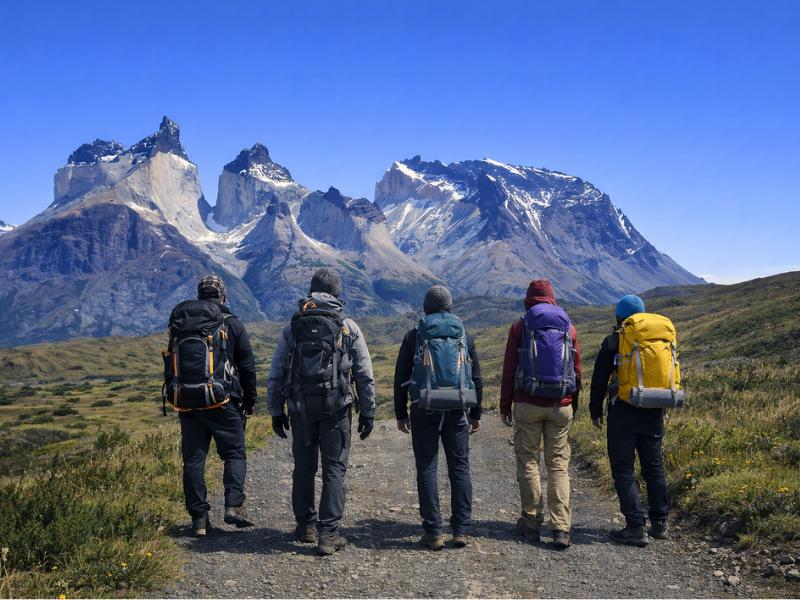
A Typical Trek Day in Torres del Paine

  • 5:00 am — Depart Puerto Natales by minibus
  • 7:30 am — Enter Torres del Paine National Park, first guanaco sightings
  • 8:00 am — Trailhead at Hotel Las Torres, trek begins
  • 8:30 am — Ascensio Valley section, forest and river crossings
  • 10:30 am — Morraine section, steep climb begins
  • 12:00 pm — Arrive at Laguna Torres, base of the towers
  • 12:30 pm — Lunch at the lagoon, rest and take in the view
  • 1:30 pm — Begin descent
  • 3:30 pm — Back at trailhead, transfer to Grey Lake
  • 4:30 pm — Grey Glacier cruise, icebergs on the water
  • 6:30 pm — Return drive to Puerto Natales
  • 8:30 pm — Arrive in town
We depart at 5am and the reason is one of the most specific in all of our tours: the towers at sunrise. The three granite spires of Torres del Paine are what define this park in the global imagination, but their full effect depends entirely on the light. At midday the towers are grey and austere. In the first hour after sunrise, when the low Patagonian light catches the eastern faces of the rock directly, they turn pink and then orange and then something close to copper, and the color holds for roughly twenty minutes before the angle changes. The trail from the Hotel Las Torres trailhead to the base of the towers covers approximately ten kilometers with 700 meters of elevation gain, and the timing is backwards from what most visitors expect: you hike in the dark for the first section, guided by headlamp, to arrive at the mirador at the right moment. Torres del Paine Tours has refined this timing across hundreds of departures and the 5am departure is what makes it work. Torres del Paine 2-Day Express Tour – Aventura & Highlights The trail through Ascensio Valley is moderately demanding rather than technical. The first section runs through southern beech forest along the river, well-maintained and straightforward. The middle section crosses open terrain with the towers visible above, and the final push to the lagoon is a steep scramble over the glacial moraine that requires hands as well as feet in sections. The guides set a pace that accounts for altitude and fitness and adjust in real time rather than marching everyone to exhaustion by the summit. Patagonia sits at lower altitude than the Andes further north, which means the elevation gain here is the primary challenge rather than thin air, but the wind is a variable that can arrive without warning and requires layers regardless of how warm the morning feels at the trailhead. 6-Day Self-Drive Torres del Paine National Park Adventure Here is what we tell every client before this day: Torres del Paine weather is genuinely unpredictable and the guides respond to it rather than ignoring it. Patagonia sits in the Roaring Forties, the band of latitudes where westerly winds circle the Southern Hemisphere without significant land mass to interrupt them, and the park receives those winds directly off the Southern Ice Field. A morning that begins clear and still can produce horizontal sleet by noon with no meaningful warning in the forecast. We never cancel for weather unless conditions become genuinely dangerous, but clients who arrive without adequate layering, a windproof outer shell, and waterproof boots are gambling with their comfort in a way that the scenery does not reward. The guides carry emergency equipment and know the evacuation routes from every section of the main trails. 5-Day Torres del Paine W Trek – Guided Patagonia Adventure Guanacos are the wildlife that clients see most consistently, and the guides use them well. These wild relatives of the llama range freely across the park in groups of varying size, and their indifference to human presence makes close observation easy. The guides explain the role guanacos play in the park's ecology, their relationship with the pumas that hunt them, and why the puma population at Torres del Paine is one of the most studied in the world. Puma sightings are possible and never guaranteed, but the guides know the sections of the park where sightings have been concentrated and position the day around those areas when conditions are favorable. Andean condors, the largest flying birds by wingspan in the Western Hemisphere, circle the thermals above the glacier areas and are visible on most days as dark shapes riding the updrafts without appearing to move. Torres del Paine: 3-Hour Grey Glacier Scenic Cruise The Grey Glacier cruise in the afternoon is the counterpoint to the morning's physical exertion. Grey Glacier is part of the Southern Patagonian Ice Field, the third-largest reserve of fresh water on earth, and its face rises 25 to 30 meters above the surface of Grey Lake. The cruise approaches to within a respectful distance of the calving face and the icebergs that have separated from it float in the dark water around the boat in shades of blue that range from pale to electric depending on their density and age. The guides explain the glacier's advance and retreat history and the scientific monitoring that has tracked significant calving events in recent decades. A pisco sour is served on board as the boat holds position in front of the ice wall, which is either a marketing choice or the correct way to be present in front of one of the most significant landforms in South America, depending on your perspective. Our clients consistently report it as both.

Average Tour Prices at Torres del Paine, Chilean Patagonia

our mission Torres del Paine National Park Adventure Prices below are what you'll pay when booking through verified operators online. They are current as of early 2026. Torres del Paine National Park is located in the far south of Chilean Patagonia, roughly 110 km north of Puerto Natales and approximately 330 km from Punta Arenas. The park entrance fee is paid separately on arrival (currently around $35 USD per person in high season; lower in shoulder season). The two nearest airports are Punta Arenas (PMC), about 3 hours from Puerto Natales by road, and Balmaceda in Argentina (BHI), roughly 4 hours away. Most visitors base themselves in Puerto Natales. The high season runs November through March; the park is open year-round but winter (June to August) brings snow, ice, and dramatically fewer visitors, with crampons required on some trails.

Torres del Paine Tours: What Each Experience Costs Online

Day Tours and Short Experiences
Tour Duration Departs From Online Price (from)
Torres del Paine Base Torres Trekking Day Trip from Puerto Natales 12 hours Puerto Natales $99 / person
3-Hour Grey Glacier Scenic Cruise 4 hours Within the park $120 / person
Torres del Paine Full-Day Adventure Tour from Puerto Natales 10 hours Puerto Natales $139 / person
Full-Day Overland 4x4 Expedition from El Calafate 14 hours El Calafate, Argentina $180 / person
Multi-Day Trekking & Exploration Packages
Tour Duration Format Online Price (from)
Torres del Paine 2-Day Express Tour: Aventura & Highlights 2 days / 1 night Guided group, camping $620 / person
W Trek Alternative 3-Day Guided Tour 3 days / 2 nights Guided group, lakeside camping $1,175 / person
6-Day Self-Drive Torres del Paine National Park Adventure 6 days / 5 nights Self-drive, private $1,447 / person
4-Day Torres del Paine Experience from Puerto Natales 4 days / 3 nights Small group (max 15) $1,355 / person
5-Day Torres del Paine W Trek: Guided Patagonia Adventure 5 days / 4 nights Guided, camping $1,905 / person
Park entrance fees (~$35 USD high season, ~$21 shoulder season) are paid separately at the gate and not included in tour prices. The Grey Glacier cruise is an add-on experience for visitors already inside the park; transport to the park must be arranged separately or combined with a day tour. The 2-day express tour includes transport, guide, camping equipment, and meals; no prior trekking experience required but good fitness is necessary for the ~22 km Base Torres day. The 5-day W Trek allows single, double, or dorm accommodation choices at different price points.

Online vs. Independent Self-Planning vs. Punta Arenas/Natales Tour Desk: How Booking Method Affects What You Get

Booking Method Typical Price Range Risk Level
Book Online in Advance (via verified operators like Torres del Paine Tours) $99 to $180 for day tours; $620 to $1,905 for multi-day packages Low: transport from Puerto Natales confirmed, guide assigned, trail permits (refugio bookings for multi-day W Trek) managed by operator; refugio and camping reservations inside the park are mandatory in high season and fill months ahead; booking the guided packages ensures these logistics are handled; the Base Torres day hike runs year-round with crampons provided in winter; most tours offer free cancellation 24 to 48 hours ahead, though weather rescheduling policies vary
Self-Planned Independent Visit (fly to Punta Arenas, drive or bus to Puerto Natales, self-navigate the park) Lower upfront cost with separately purchased accommodation, transport, and park entry Medium to High for multi-day treks: day visitors to the park can arrive by bus from Puerto Natales (roughly $25 to $35 USD each way) and access many viewpoints independently; the specific challenge is that overnight stays on the W Trek require booking refugios or campsites through the park concession (Conaf/Fantástico Sur/Vertice Patagonia), and in January and February these fill 4 to 6 months in advance; self-planning is entirely viable but requires significant lead time and coordination
Puerto Natales Tour Desk or Hotel (book locally in Puerto Natales on arrival) Comparable to online for day tours; harder to arrange multi-day packages last-minute Medium in shoulder season, High in peak season: the town of Puerto Natales has dozens of operators offering day tours with similar pricing to online; multi-day guided packages and specific refugio-based treks are very difficult to arrange on arrival in January and February when capacity is fully committed

The Honest Case for Booking with Torres del Paine Tours in Advance

Torres del Paine Full-Day Adventure Tour from Puerto Natales Torres del Paine demands more advance planning than almost any other destination in this portfolio, and the reason is purely logistical: the trails, campsites, and refugios inside the park operate under a strict reservation system enforced by the Chilean national parks authority. The W Trek, which covers the three most iconic sections of the park (Base of the Towers, French Valley, and Grey Glacier), runs roughly 70 km over 4 to 5 days. The refugios and official campsites along this route are the only legal overnight options, and in January and February the wait time for a cancellation spot approaches zero. Booking through Torres del Paine Tours transfers the reservation burden to operators who hold pre-allocated capacity across the system; independent travellers who arrive in Puerto Natales hoping to piece this together are routinely turned away from the full circuit. The day tours tell a cleaner story. The Base Torres trekking day trip at $99 is the most efficient way to experience the park's signature viewpoint without a multi-day commitment: hotel pickup in Puerto Natales, a 12-hour day including the moderately demanding 18 to 22 km round-trip hike through the Ascensio Valley to the lagoon beneath the three towers, and crampons provided in winter when the trail is iced. In our experience this is the right choice for travellers with one day available who want the defining Patagonia image rather than an overview drive. The full-day adventure tour at $139 covers more ground by vehicle and is better suited to visitors who want context and panoramic variety without a strenuous hike. The 4x4 expedition from El Calafate is worth noting specifically for travellers approaching Patagonia from the Argentine side. El Calafate is the base for Perito Moreno Glacier and sits 4 to 5 hours from Torres del Paine by road across the border. The unpaved shortcut route the expedition uses saves roughly 2 hours compared to the main road, delivers you deep into the park for a full morning of hiking, and returns you to Argentina in time for dinner. For travellers doing both Perito Moreno and Torres del Paine without basing themselves in Puerto Natales, this tour removes the logistical complexity of a border crossing day trip entirely.

How to Visit Torres del Paine

Torres del Paine W Trek Alternative 3-Day Guided Tour Torres del Paine is one of the most remote major national parks in the world, and getting there requires real commitment. The park sits at the southern tip of Chilean Patagonia, roughly 2,500 kilometres from Santiago, and the journey involves either multiple flights or a long overland crossing. None of that diminishes it. The granite towers, the glaciers, the turquoise lakes, and the wildlife are the real thing, and the distance is part of what keeps the scale of the landscape intact. Here is what the team at Torres del Paine Tours tells first-timers when they start planning.
  1. Fly into Punta Arenas or Puerto Natales and base yourself in Puerto Natales. Punta Arenas has the main regional airport with connections from Santiago, and the bus from Punta Arenas to Puerto Natales takes around three hours. Puerto Natales, a small town about 110 kilometres south of the park entrance, is the standard base for most visitors and has everything you need: gear shops, supermarkets, accommodation across all budgets, and the bus terminal for park transport. Some visitors also fly directly to Puerto Natales on smaller aircraft from Punta Arenas, which saves time. From Puerto Natales, the bus to the park entrance at Laguna Amarga takes roughly two and a half hours.
  2. Book your accommodation well in advance, particularly for the W Trek. This is the piece of planning that catches the most people out. The refugios and campsites along the W Trek route operate on a booking system managed by two companies, Fantástico Sur and Vértice Patagonia, and in high season from December through February they fill up six to twelve months ahead of time. Turning up hoping to find a spot is not viable in peak months. If you want to hike the W Trek in January, you need to be booking in the previous January or February at the latest. Day visitors staying in Puerto Natales have considerably more flexibility but should still book tours in advance, particularly for the Grey Glacier cruise and any private transport.
  3. Decide between a day trip, a short multi-day tour, and the full W Trek. A day trip from Puerto Natales covers the eastern side of the park, including the Mirador Las Torres viewpoint approach, Salto Grande waterfall, and the views across Laguna Nordenskjöld and Laguna Pehoé. It is a genuinely impressive day and the right choice for people with limited time. The W Trek takes four to five days and covers the three iconic arms of the route: the towers, French Valley, and Grey Glacier. The full O Circuit adds four to five more days and completes a loop around the entire Paine Massif on quieter, wilder trails. Most first-time visitors do the W Trek or a guided multi-day version of its highlights.
  4. Go in November for the best balance of conditions and crowd levels. The high season from late December through February has the longest days and mildest temperatures, but also the most visitors and the tightest accommodation availability. November offers clear, cold air, dramatically lower crowds on the trails and at the famous viewpoints, and refugio bookings that are genuinely easy to secure. March is a strong second option, with warmer air, beautiful autumn light, and the post-summer crowd drop. The towers themselves are most clearly visible in dry, cold, stable air, which November typically provides. Winter from June through August brings extreme conditions and closed services, and is only for highly experienced mountaineers.
  5. Pack for four seasons in one day. Patagonian weather is genuinely unpredictable and notoriously rapid in its changes. A sunny morning can become a driving horizontal rain within an hour, followed by clear sky. Wind is constant and can be violent enough to make walking difficult on exposed sections. For day visits, the minimum sensible kit is a waterproof shell jacket with a hood, a warm mid-layer, moisture-wicking base layers, and sturdy hiking shoes or boots with grip. For the W Trek, add a sleeping bag rated to minus five or lower, a quality rain cover for your pack, trekking poles for the steep sections on the towers trail, and at least one extra dry set of clothing for overnight. A power bank for photography across long days is worth the weight.
  6. The Grey Glacier cruise is worth adding to any visit. The boat from Refugio Pudeto crosses Lago Grey to the face of the glacier, a three-hour round trip that gets you close enough to hear the ice and see the blue interior of the glacier wall. It is a different scale of landscape from the towers view, more intimate in some ways, and the floating icebergs in the lake below are extraordinary. Most day tours do not include this automatically, so check before booking. It adds around USD 120 per person but is consistently described by our clients as the most memorable single moment of the trip.
  7. Wildlife watching is best in the early morning from the road. Guanacos are everywhere and easy to spot throughout the day, but foxes, condors, and pumas are most active at dawn and dusk. The road that runs through the eastern part of the park, particularly the stretch between Laguna Amarga and Salto Grande, is one of the better corridors for early morning sightings. Condors typically ride thermals above the valley floors mid-morning once the air warms. Puma sightings are uncommon but real, particularly in the Laguna Amarga and Laguna Azul areas in early morning. A guide who drives slowly and knows the current sighting patterns makes a genuine difference.
  8. The one thing most first-timers get wrong: booking the W Trek for December or January without reserving refugios twelve months in advance, discovering everything is full, and either abandoning the plan or settling for camping in conditions they are not prepared for. We hear this story constantly. The W Trek in high season requires early planning in a way that almost no other hiking route in the world demands. If the dates you want are already full, November and March are excellent alternatives where availability is much easier and the experience on the trail is arguably better. Plan early or plan flexibly.

Most Popular Torres del Paine Tours

4-Day Torres del Paine Experience – Departing Puerto Natales Torres del Paine draws two quite different types of visitor: those coming for a single day from Puerto Natales wanting to see the famous towers and leave, and those arriving for multi-day trekking who have been planning the trip for months. The booking data at Torres del Paine Tours reflects both, though the day tour category dominates the top positions by a clear margin. What the numbers also reveal is a destination where visitors arrive from multiple directions, including the Argentine side via El Calafate, which shapes the third tour on the list in a way that differs from the other two.
Tour Name Duration Price Best For Highlights Rating
Torres del Paine Full-Day Adventure Tour from Puerto Natales 10 hours From $139/person First-time visitors based in Puerto Natales who want the park's iconic towers, turquoise lakes, and Paine Massif viewpoints covered in one guided day without managing transport, fees, or logistics Hotel pickup in Puerto Natales, scenic drive into the park, panoramic stops at multiple viewpoints including Mirador Las Torres, Salto Grande waterfall, Laguna Amarga and turquoise lake perspectives, guide commentary on history, Patagonian flora and fauna, relaxed pace throughout 4.7 (2,534+ bookings)
Torres del Paine: 3-Hour Grey Glacier Scenic Cruise 4 hours From $120/person Travelers already inside the park or staying at Grey Lake who want a close encounter with the 25-metre-high face of Grey Glacier from a comfortable vessel with an outdoor deck 3-hour scenic cruise across Grey Lake surrounded by mountains and lush landscapes, arrival at the full face of Grey Glacier with vivid blues and interior glacier sounds, included pisco sour on board, safe covered vessel with both indoor cabin and outdoor deck for photography 4.4 (2,519+ bookings)
Torres del Paine Full-Day Overland 4x4 Expedition from El Calafate 14 hours From $180/person Travelers based in El Calafate on the Argentine side who want to cross into Torres del Paine for a full day without relocating, using an unpaved shortcut route that cuts road time significantly Adventure truck via unpaved shortcut saving hours of road, morning hike to dramatic mountain viewpoints, provided picnic lunch, 2-hour hike to Laguna Pehoé and Laguna Nordenskjöld for Paine Massif perspectives, bilingual guide throughout 4.6 (1,978+ bookings)
The near-dead-heat between first and second place, separated by just 15 bookings across over 5,000 combined, is one of the most striking booking patterns in the network. It tells you that visitors choosing the full-day Puerto Natales tour and those choosing the Grey Glacier cruise are often the same person on different days, doing both during a multi-day stay in the area. The El Calafate overland expedition in third occupies a completely different market: these are Argentinian Patagonia visitors who want to add Chile's most famous national park without a full itinerary change. At 14 hours it is the longest single-day commitment on the site, and the 4x4 shortcut that makes the journey feasible is the operational detail that makes the tour viable at all.

Location

Torres del Paine National Park occupies the far south of Chilean Patagonia, about 112 km north of Puerto Natales and 312 km north of Punta Arenas, with most visitors flying into Punta Arenas Airport (PUQ) via Santiago, then travelling 3 hours by road to Puerto Natales before the final 2-hour drive to the park entrance. The park protects 2,400 square kilometres of some of the most dramatic terrain on earth, where ancient granite spires rise above glaciers feeding into turquoise lakes, all carved by Ice Age glacial activity and battered year-round by the powerful Patagonian winds that define both the landscape and the experience of being there. Take a look at the map below to see where our tours operate across the park and surrounding region.  

Guarantee Your Spot with Torres del Paine Tours

6-Day Self-Drive Torres del Paine National Park Adventure Torres del Paine is one of the most remote major national parks on earth. Puerto Natales, the nearest town, has a limited number of buses, a limited number of private vehicles, and a finite number of guide-led departures each morning. In high season from December through February, the Grey Glacier scenic cruise has fewer than 20 passengers per sailing and sells out days ahead. The 2-day express trekking tour with overnight camping at Pehoé requires confirmed places before the departure date. The 5-day W Trek package, and the 3-day alternative W guided tour at a perfect 5-star rating, both require refugio and campsite reservations that open months before the season and disappear well before Christmas. Book before you leave for Patagonia. Arriving in Puerto Natales in January and asking what's available for a multi-day trek is how you spend your time in Chile looking at the mountains from a restaurant window rather than from inside the park. What you lock in when you book in advance:
  • Refugio and campsite spaces on the W Trek before they sell out. The refugios and campsites along the W Trek route are managed by Fantástico Sur and Vertice Patagonia. Both systems open their booking calendars months before the season and fill progressively from the best dates outward. By November, the December and January nights are already partially committed. A guided W Trek through Torres del Paine Tours coordinates all of this as part of the booking, so you are not navigating two separate Spanish-language reservation systems from a different continent.
  • Your seat on the Grey Glacier cruise at the time you want. The 3-hour scenic boat tour to the face of Grey Glacier, with a pisco sour on board and the deep-blue ice filling the view, runs on specific departure times with limited capacity. Morning sailings give calmer light and fewer competing boats on the lake. Those slots go to the people who booked them. The afternoon version is also beautiful, but the difference in atmosphere is real.
  • The Base Torres day hike with a guide who knows the route. The 22-kilometer round-trip hike from Laguna Amarga to Mirador Las Torres and back is one of the most physically demanding day hikes in South America. In favorable weather, arriving at the mirador to see the three towers reflected in the glacial lagoon is extraordinary. In bad weather, without a guide who knows how to read conditions and adjust the pace, it is also a long, exhausting, exposed walk with limited bailout options. The guided Base Torres day trip with 883 bookings handles the transport from Puerto Natales, the early start, and the trail knowledge. That version of the hike is safer, better contextualized, and more rewarding than the same hike improvised from a bus stop.
  • A multi-day package where the logistics actually connect. The 4-day Torres del Paine experience with hotels, breakfasts, lunches, the Balmaceda and Serrano glacier cruise, and expert guide has 187 bookings and a 4.9 rating across a small but telling sample. Patagonia logistics are genuinely complicated: buses run on specific schedules, the catamaran to Serrano glacier requires advance reservation, and weather can change the entire shape of a day. A confirmed multi-day package through Torres del Paine Tours means those connections are made before you arrive.
  • November and March availability before the quiet season fills too. November is the best month for clear views of the towers with fewer crowds, and it is not a secret. Experienced Patagonia travelers have known this for years, and the guided tours departing in November fill their limited slots from people who planned the trip six months out. The shoulder season still requires advance booking for good operators.
The towers have stood for 12 million years. Your window to stand at their base in decent weather, on a well-organized day with a guide who has done it hundreds of times, is a finite booking window.

Videos from Torres del Paine Tours