Have There Been Any Puma Attacks in Patagonia?
No record of a fatal attack on a visitor inside the park, and one unconfirmed incident from more than thirty years ago. That is the record.
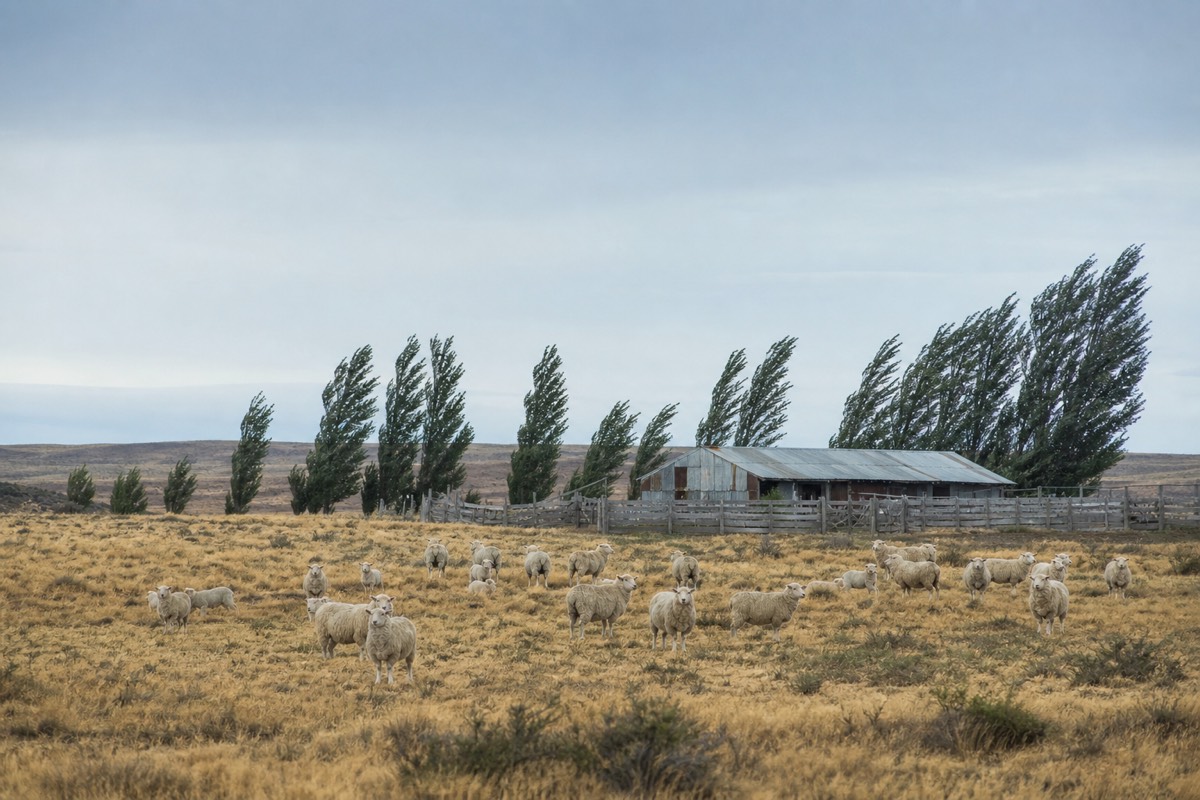
Almost none, and none that ended a visitor's life. There is no record of a fatal puma attack on a visitor inside Torres del Paine National Park. One disputed incident involving a local fisherman is referenced from more than thirty years ago and was never confirmed. That is the entire honest record.
The record does not justify changing a normal itinerary. A paid wildlife day makes sense only if seeing and learning about pumas is a goal in its own right.
Booking Choice: Fatal visitor attacks are not documented in the park. Learn the response, then choose a private tracking day only for deliberate wildlife observation—not as protection from pumas. Explore Puma Tracking Safari in Torres del Paine
The question gets asked because the park holds the densest puma population anyone has measured, and people reasonably assume density and danger travel together. They do not. The reason is not luck, and it is not that the animals are small. It is that a puma with 3,000 guanaco to choose from has no reason to take an interest in a person in a rain jacket.
What is the actual record of puma attacks in Torres del Paine?
There is no record of a fatal puma attack on a visitor inside the park. The single incident that circulates involves a local fisherman, is referenced from more than thirty years ago, and was never confirmed. No verified attack on a tourist has been documented in the park's history since it was established in 1959.
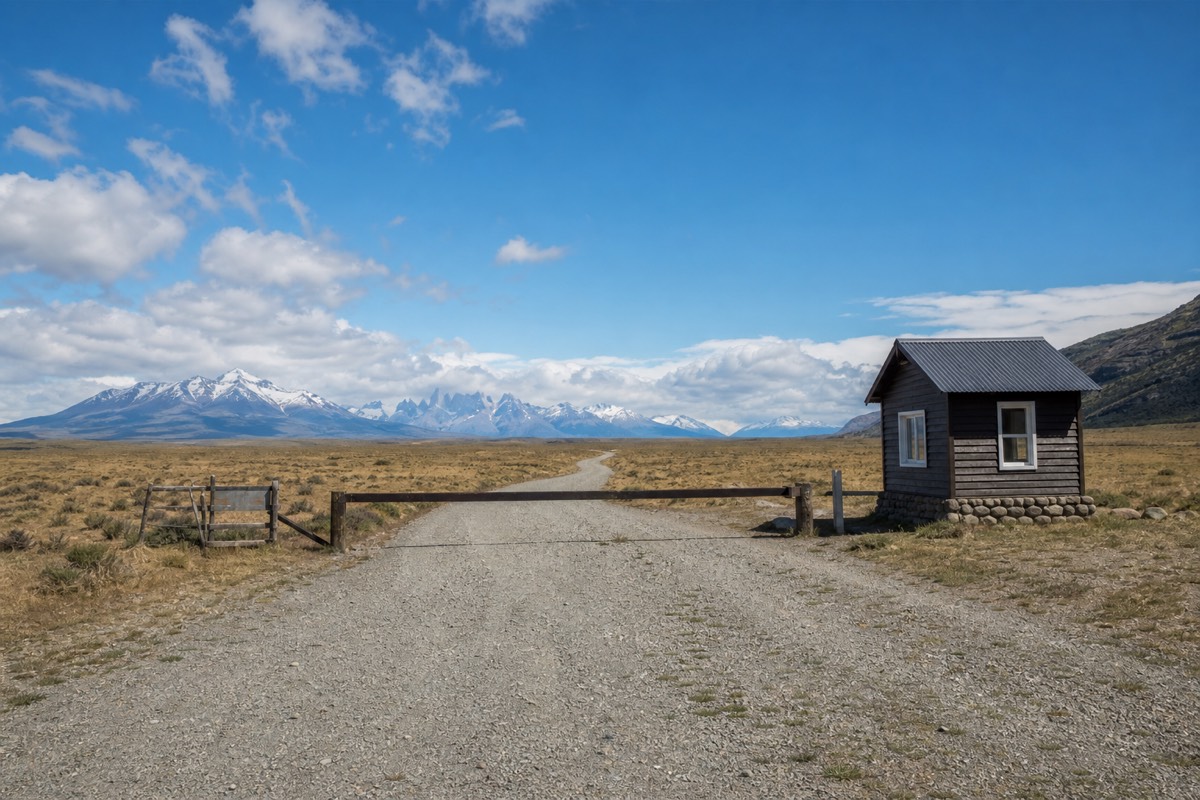
Set that against the traffic. CONAF recorded 367,426 visitors in 2024, with January and February carrying the heaviest load, and older estimates put those two months around 30,000 visitors each. The park has been open since 1959 and a Biosphere Reserve since 1978. Decades of visitors, a resident population of large cats, and an incident record that amounts to one unconfirmed story from another era.
| Figure | What the sources say |
|---|---|
| Confirmed fatal attacks on visitors in the park | None on record |
| The one incident that gets cited | A local fisherman, more than thirty years ago, never confirmed |
| Park visitors in 2024 | 367,426 (CONAF) |
| Estimated park puma population | 50 to 200, sources disagree |
| Measured density | 2.5 adults per 100 km2, 1999 study, 200 km2 area |
| Guanaco in the park | around 3,000, older estimate |
Why is the risk so low when the puma density is so high?
Three reasons: prey abundance, avoidance behaviour and timing. Guanaco are plentiful on the eastern steppe and are the puma's main food. Pumas avoid humans as a matter of course. And they are crepuscular, most active at dawn and dusk, when almost no visitor is on the trail.
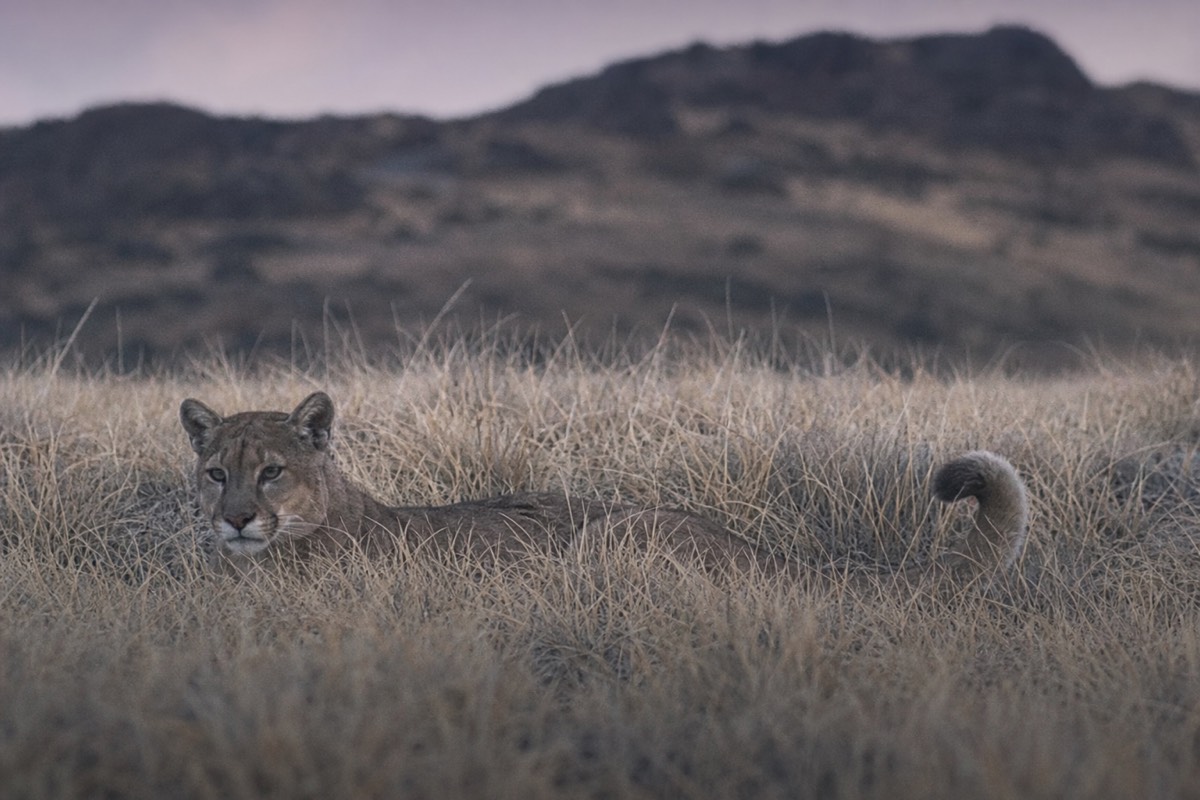
Prey abundance is the biggest factor. The 1999 Franklin study in Biological Conservation that recorded 2.5 adult pumas per 100 km2 was measuring a population supported by an unusually rich guanaco herd on open ground. A predator with easy, familiar food does not experiment. Add avoidance behaviour that is hardwired rather than learned, and add the fact that the busiest hours on the Base Torres trail are the middle of the day, and the overlap between people and hunting pumas is small.
Density is also a poor proxy for encounter rate. Researchers describe the park's density as at least twice any other known puma population, and the majority of visitors still never see one. That gap is the whole answer to the question.
Do pumas attack humans in Patagonia at all?
It is extremely rare, and we will not dress it up beyond what the record supports. The puma is the largest land predator in Patagonia, males averaging around 76 kg with animals over 100 kg recorded, so it is physically capable. The evidence is simply that it does not happen with any meaningful frequency here.
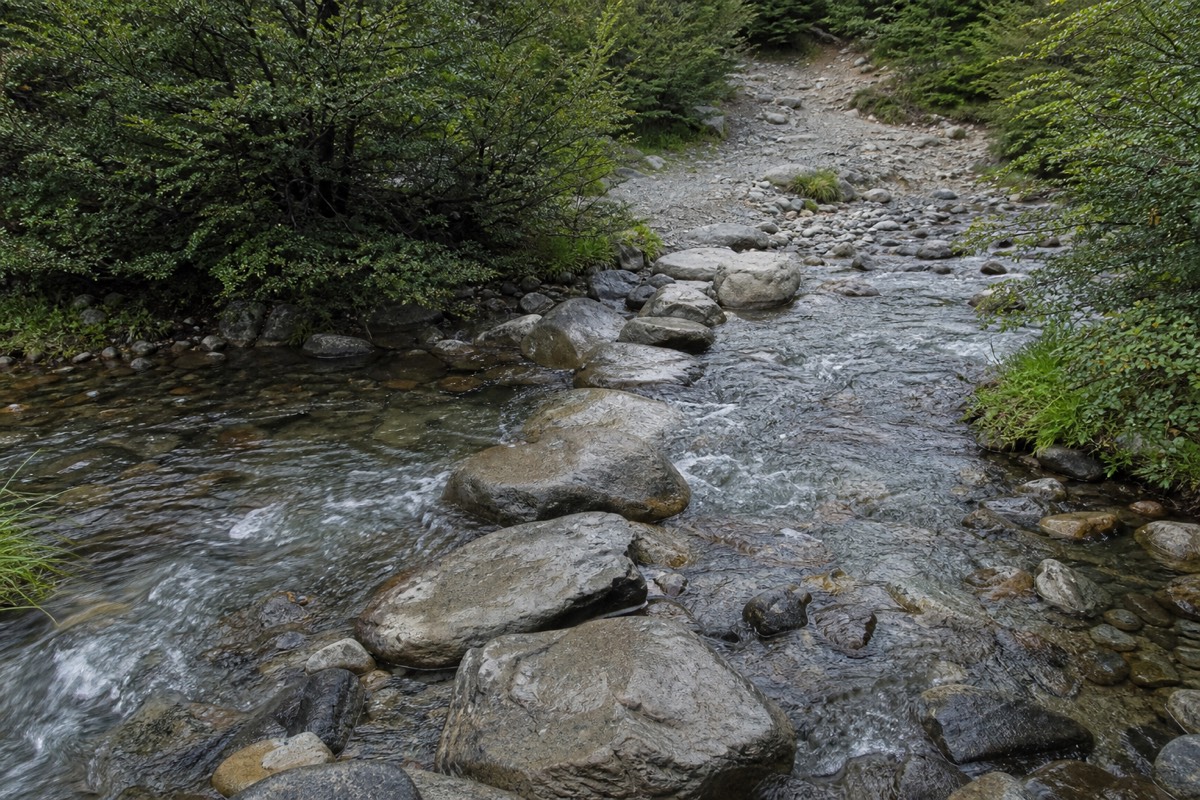
What we will not do is speculate. There is no verified count of attacks across the wider region that we can stand behind, so we are not going to publish one, and anyone quoting a precise figure should be asked where it came from. The sensible planning position is: know the standard response, which we set out in full in what to do if you encounter a puma, and then stop thinking about it.
What actually injures visitors in Torres del Paine?
Weather, wind, water and overambitious itineraries. Everyday summer gusts of 60 to 100 kph are normal and regional sources have reported gusts to about 193 kph. Cold, exposure and river crossings do far more damage than wildlife, and the Base Torres day catches out more people than everything else combined.
The numbers on that hike are the ones to respect: 21 km round trip from the Welcome Center, 1,041 m of ascent, 8 to 10 hours, with the last 0.8 km up the moraine taking 45 minutes on its own. The tour listing for the guided version quotes 20 km and 870 m, which shows how much published figures move. Either way, people set off at ten in the morning in trainers and finish in the dark.
| Real risk | What it looks like | What reduces it |
|---|---|---|
| Wind | Gusts of 60 to 100 kph, extremes reported to 193 kph | Exposed ridgelines early, not late; wind builds through the afternoon |
| Cold and exposure | Highs of 12.6 C in January, lows near freezing in shoulder season | Layers, windproof shell, gloves even in summer |
| River and stream crossings | Meltwater rises through the day | Cross early, unclip your pack, use poles |
| Underestimating Base Torres | 21 km, 1,041 m, 8 to 10 hours | Start before 08:00, or take a guided day trip |
| Fire | Chilean law 20.653, fines to 2 million CLP | No stoves outside cooking areas, no smoking anywhere |
What should you actually do about pumas on a normal trip?
Learn the eight step response once, walk in daylight, stay on marked trails, and keep children close at dawn and dusk. That is the whole of it. Do not carry deterrents, do not change your route, and do not let the question shape your itinerary, because the animal that concerns you is not concerned with you.
If you want a guide to interpret the landscape and wildlife, choose a guided day for that expertise; the underlying puma risk remains very low. The guided Base Torres day trip runs with a guide and an assistant guide at a ratio of 1:6 in summer and 1:4 in winter, and includes poles and crampons when there is ice. A guided full day around the lakes covers the eastern sector where wildlife is most visible, without the walking. Both sit alongside the rest of the tours we list. For context on the animal itself, our page on Patagonia's biggest predator has the size figures, the tracking guide covers going out to look for one deliberately, and the month by month weather page deals with the risk that is real. Conditions and closures come from CONAF, and puma biology from Panthera.