Self-Guided or Guided W Trek: The Real Cost and Risk Comparison
Self-guiding the W is genuinely cheaper and genuinely harder. Here is the cost stack line by line, and the parts of the trip that money actually removes.
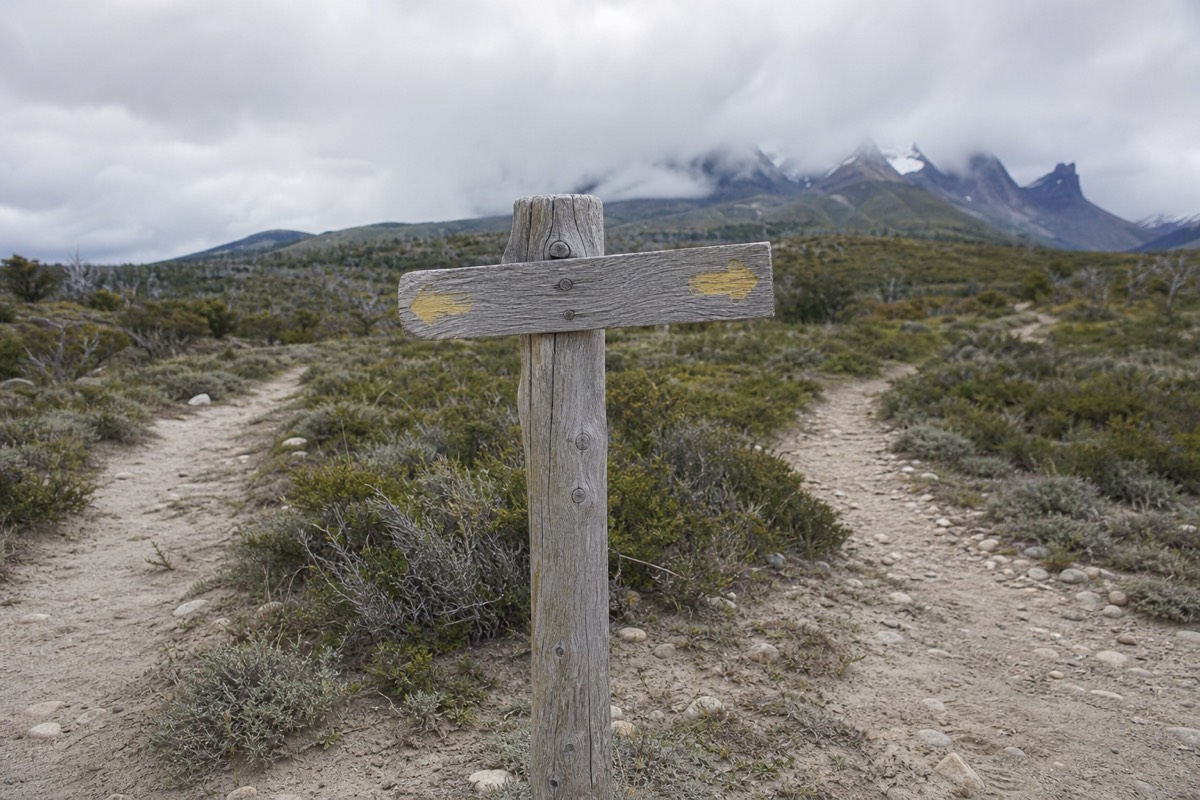
The cheap version of the W Trek is genuinely cheap. Published self-guided totals start around $600 per person, against $1,905 for the supported five-day trip we list. The gap is real, and so is what sits inside it: three reservation systems, two Spanish-language websites, a fixed catamaran timetable and a weather pattern that does not care about your plan.
What each way of walking the W costs
Self-guided figures are the published all-in range and exclude the park ticket; package prices are the published from-prices at the time of writing.
What does self-guided actually mean on the W?
It means you reserve every night, buy your own park ticket, book your own buses and catamaran, carry or buy your own food, and walk without a guide. The trail is marked and patrolled, so you are not route-finding. You are running the logistics of a five-day trip in a place with three separate reservation operators and no road in the middle.
There is a middle option that gets confused with both ends. A supported self-guided trek gives you confirmed accommodation vouchers, full-board meals, a map and itinerary briefing, bus and catamaran transfers and QR check-in support, but no guide walking with you. That is exactly what the five-day W we list is: $1,905, self-guided on the trail, arranged off it. Park entry is not included in it, and neither is a professional guide.
A fully guided trip is different again. A guide walks with the group, sets the pace, makes the weather calls and carries the responsibility. Our three-day version runs with a local guide and two nights at Camping Pehoé, and the day-trip versions run with a bilingual guide plus an assistant, at a guide ratio published as 1:6 in summer and 1:4 in winter.
| What you get | Fully self-guided | Supported self-guided | Fully guided |
|---|---|---|---|
| Reservations | You make all of them, across three systems | Confirmed vouchers arranged for you | Arranged for you |
| Meals | Carried, or bought refugio by refugio | Full board included | Included |
| Transfers | You buy buses and the catamaran | Bus and catamaran transfers included | Included, usually with hotel pickup |
| Guide on the trail | None | None, briefing only | Yes, with a published ratio |
| Who decides on a bad day | You | You, with support off the trail | The guide |
| Published price band | $600 to $1,500 | $1,905 for our five-day W | $1,175 for our three-day version, $1,700 to $3,500 and up generally |
The full self-guided cost stack, line by line
Published self-guided totals run $600 to $1,500 per person, and the spread is almost entirely beds and meals. A camping trip with carried food sits near the bottom. A refugio trip with breakfasts, box lunches and dinners bought in the park sits at the top, and can pass it. Here is what actually goes into that number.
| Line item | Published figure | Notes |
|---|---|---|
| Park entry, foreign adult, multi-day | 48,500 CLP, about $51 | Up to 10 consecutive days, date-locked, non-refundable |
| Bus, Puerto Natales to the park | $20 to $29 one way | 112 km, 2 to 3 hours, from the Terminal Rodoviario |
| Laguna Amarga shuttle | 4,000 to 4,500 CLP | 7 km to the Welcome Center, cash only |
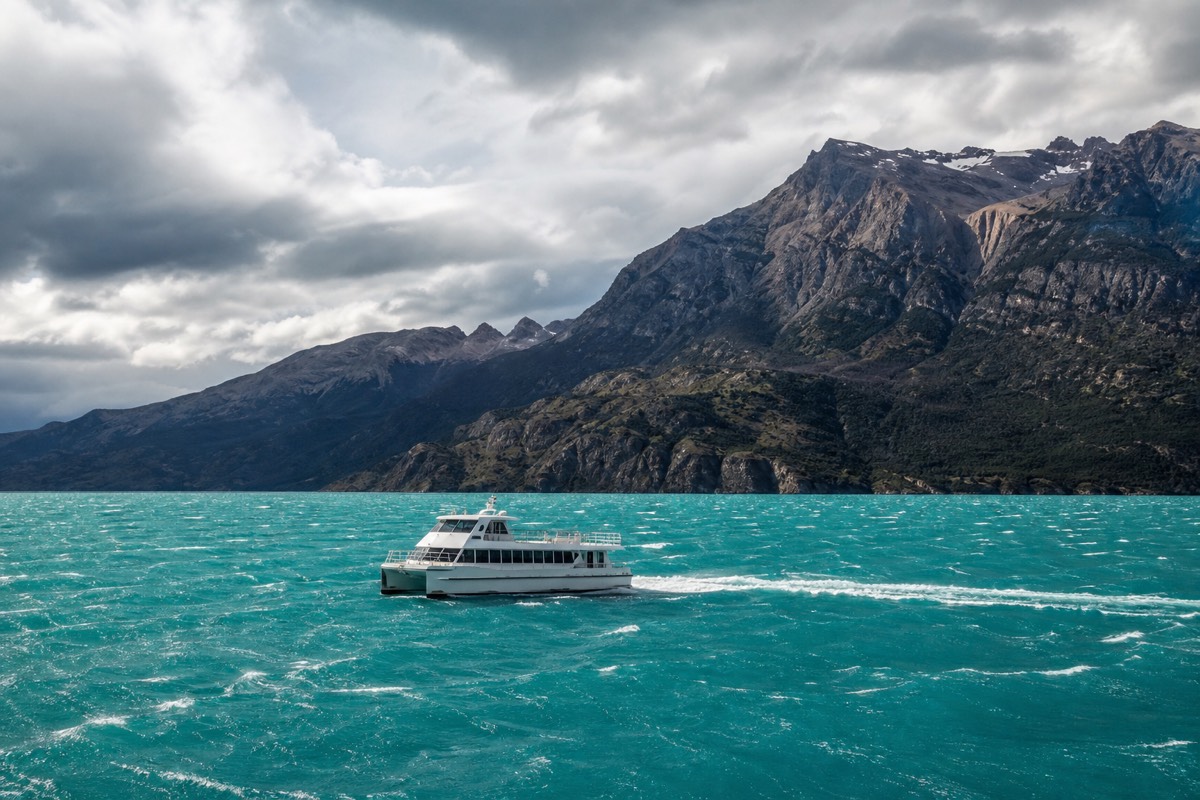
| Catamaran, Pudeto to Paine Grande | About 26,000 CLP, around $45 one way | 30 minutes, fixed sailings, cancelled in high wind |
| Own-tent campsite | $11 to $14 per person per night | Vertice sectors |
| Equipped camping | $30 to $50, and $40 to $90 at Serón in high season | Las Torres sectors |
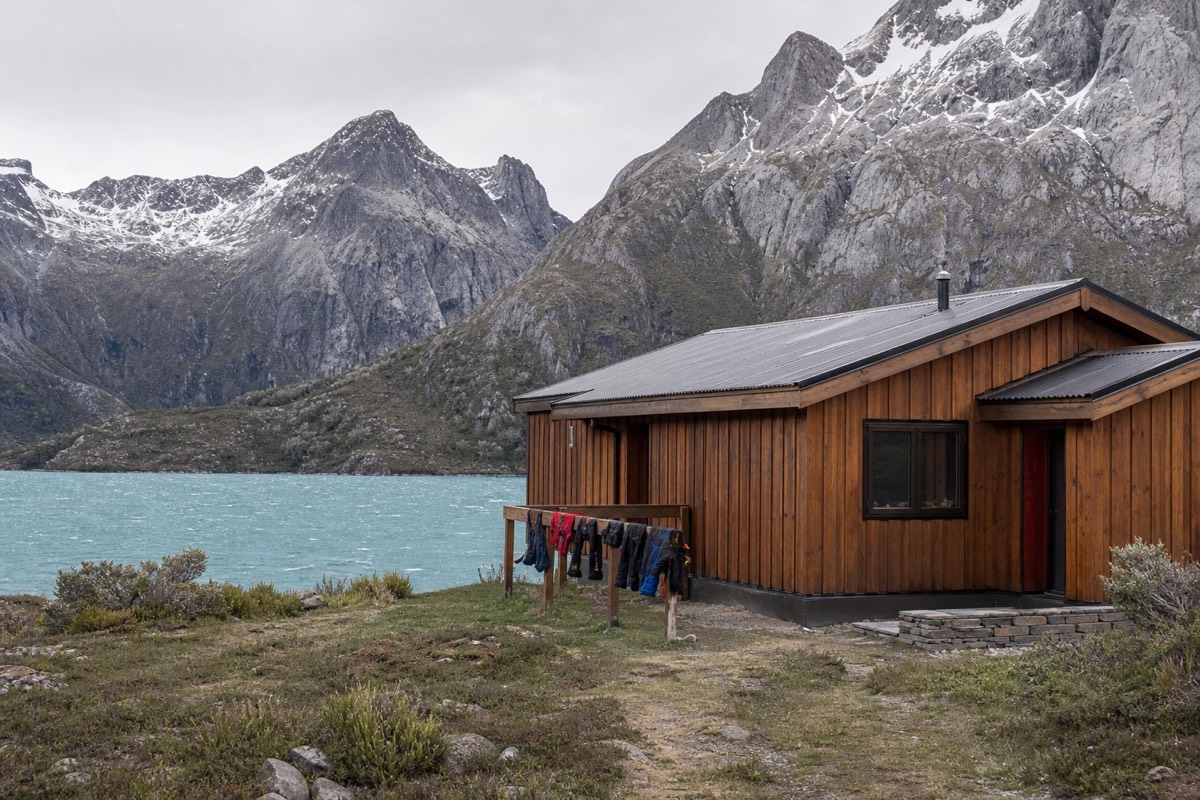
| Refugio dorm bed | $46 to $114 per person per night | Varies by season and sector |
| Breakfast | Around $25 | Published refugio figures, sources vary |
| Box lunch | $20 to $50 | Ordered the night before |
| Dinner | $35 to $70 | Full board often quoted around $100 a day |
| Tent rental in Puerto Natales | About $37 a day | Rental Natales published rate |
| Sleeping bag rental | About $8 a day | Rental Natales published rate |
| Punta Arenas to Puerto Natales, bus | $9 to $26 | 250 km, 3 to 4 hours |
Two things fall out of that table immediately. The first is that meals are the runaway line: a full-board day quoted at around $100 means four days of eating in refugios can cost more than four nights of sleeping in them. The second is that the small connections add up in a way people do not budget for. A catamaran crossing at around $45, a shuttle at 4,000 to 4,500 CLP and a return bus at $20 to $29 each way are $130 or so of transport before a single night is paid for.
Park entry is the line most often forgotten entirely, partly because it is bought on a different website months earlier. At 48,500 CLP for the multi-day ticket, around $51, it is not large, but it is non-refundable and date-locked. The full ticket structure, including the 34,000 CLP single-day price and the exemptions, is set out in the park ticket and fee breakdown.
What the guided and supported options publish, and what they cover
The three trips most relevant here are published at $620 for the two-day express, $1,175 for the three-day guided W alternative and $1,905 for the supported five-day W. None of the three includes the park entrance ticket, so add roughly $51 to each.
What separates them is not luxury, it is how much of the logistics chain is handled and whether a guide walks with you. The five-day trip is the closest thing to a self-guided W with the administration removed: vouchers, meals, transfers and QR check-in support, with you walking the trail on your own. The three-day trip has a guide and a fixed base at Camping Pehoé, so you walk each landmark light. Its listing records more than 300 past bookings, and the two-day express is the shortest shape that still puts you at the Base Torres viewpoint.
| Trip | Published from price | Shape | What it covers |
|---|---|---|---|
| Two-day express with a night at Camping Pehoé | $620 | 1 night, tented | A roughly 22 km hike to the Base Torres viewpoint, then the Condor viewpoint, the Cuernos viewpoint and the Aonikenk trail. Transport, bilingual guide, meals and poles included |
| Three-day guided W alternative | $1,175 | 2 nights, fixed base | Base Torres, Valle Francés and the Grey Glacier viewpoint with a local guide, sleeping both nights at Camping Pehoé so full packs stay put. Patagonian meals included |
| Supported five-day W Trek | $1,905 | The full W, self-guided on the trail | Confirmed accommodation vouchers, full-board meals, map and itinerary briefing, bus and catamaran transfers, QR check-in support. No guide on the trail, no park ticket |
Set the $1,905 figure against the top of the self-guided range, $1,500, and the decision looks different from the way it looks against the bottom. The honest framing is that a refugio-based self-guided W lands within a few hundred dollars of a supported one, while a camping-and-carrying self-guided W is genuinely half the price. You are not choosing between $600 and $1,905 unless you are prepared to carry a tent and five days of food.
The booking window: why April decides the whole trip
The concessionaires open the next season's calendar around April, and Chileno plus the popular December and January dates go first. If your dates are fixed and you start looking in October, you are not choosing an itinerary, you are accepting whatever is left.
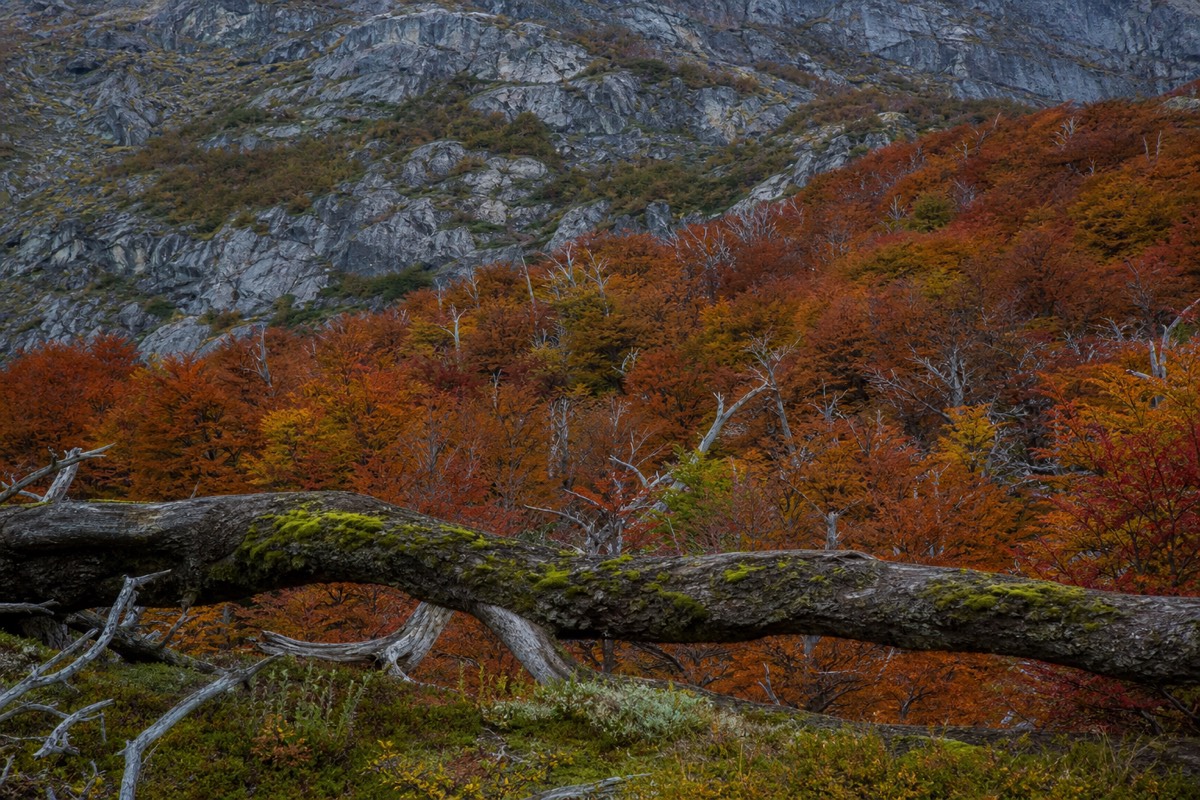
This is the mechanical reason many people end up on a guided or supported trip, and it has nothing to do with confidence on a trail. Operators hold allocations. An individual refreshing two websites in September does not. When Chileno is gone, the Base Torres day goes from an 8 to 10 km round trip out of the valley to a 21 km round trip with 1,041 m of ascent from the Welcome Center, which is a materially different day.
| When | What happens |
|---|---|
| Around April | Both concessionaires open the following season's calendar |
| Immediately after | Chileno and the December to January dates go first |
| Around 1 October | Paine Grande and Grey open; the Las Torres season starts |
| Around 1 November | Dickson opens |
| 27 April to 30 August 2026 | The Base Torres trail requires an authorised guide |
| Around 25 April 2026 | The Las Torres season closes |
| 1 May 2026 | CONAF's new differentiated tariff system takes effect, postponed from earlier |
There is no free-camping fallback any more. The CONAF free campsites closed and have not reopened for the 2025-26 season, so every night on the W is a paid, reserved night with a name attached to it. Sector by sector, the reservation mechanics are explained in how the two reservation systems actually work.
What happens when the weather changes the plan
Something will move. The catamaran is cancelled in high wind, CONAF closes trails on conditions, and your park ticket is date-locked and non-refundable. The difference between self-guided and arranged is not whether disruption happens, it is who absorbs it.
The failure modes are predictable. A cancelled sailing on the day you were meant to reach Paine Grande means a refugio night you paid for and did not use, and the night after it is now wrong too. A closed leg means a rearranged day with reservations that do not move. A ticket bought for the 12th and used on the 13th is simply a ticket you bought twice.
| What happens | Self-guided | Supported or guided |
|---|---|---|
| Catamaran cancelled by wind | You rebook nights yourself, across two companies | Rearranged for you where the operator can |
| A trail closed by CONAF | You redesign the day at the trailhead | The guide or operator redirects the day |
| Snow or storm on a walking day | Your call, alone, with your reservations fixed | A decision made by someone who has made it before |
| Park ticket unused | Non-refundable, you buy again | Non-refundable either way, it is not included in our trips |
| A missed refugio night | Usually lost, and the chain after it is broken | Absorbed by the operator's allocation where possible |
None of this is a reason to avoid self-guiding. It is a reason to build a spare day at the Puerto Natales end rather than the park end, to take the earlier sailing rather than the last one, and to carry enough Chilean pesos in cash to pay for an unplanned night and the cash-only shuttle. Which months carry which risks is laid out in the best time to visit, month by month.
Language, and the two Spanish reservation systems
Las Torres Patagonia and Vertice Patagonia run the accommodation and both take reservations in Spanish first, with varying English coverage. Park entry is a third, separate purchase at pasesparques.cl. Nothing between the three systems is linked, and none of them will warn you that your itinerary has a gap.
On the trail, language is barely an issue. Signage is clear, the route is marked, and refugio staff deal with international hikers all day. Off the trail it is a real friction point: reading availability calendars, understanding what a site type includes, changing a reservation after a weather day, and confirming whether a meal plan is attached to a bed all happen in Spanish-first interfaces.
The practical division is worth memorising before you start. Las Torres holds Central, Chileno and Serón. Vertice holds Paine Grande, Grey, Dickson and Los Perros. A standard five-day W crosses between them, which means at least two separate reservations for consecutive nights with no shared calendar. If one confirms and the other does not, the itinerary is broken and the fix is on the side that did confirm. You can see both directly at the Las Torres reservations site and the Vertice Patagonia site, with tickets separately at the official park ticketing portal.
Guided and supported trips collapse all of that into one transaction with one confirmation. That is most of what the price difference buys, and anyone who has tried to move a Vertice night after a cancelled sailing will recognise the value. If you would rather understand the route before deciding, the complete W Trek route guide covers the legs, the direction question and the timings.
Recommended tours by season
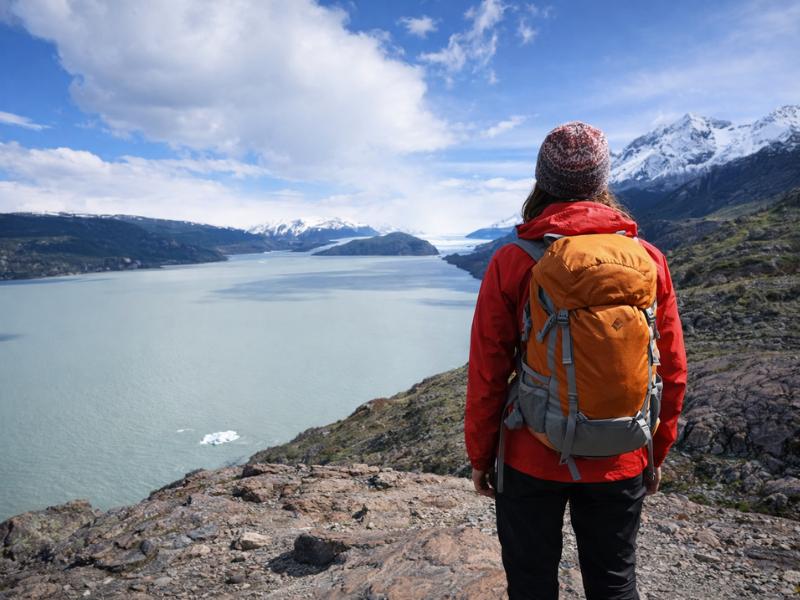
5-Day Torres del Paine W Trek – Guided Patagonia Adventure
October to April, when the refugios on the W are open. Four nights with accommodation vouchers, full-board meals, and bus and catamaran transfers. No guide on the trail; park ticket separate.
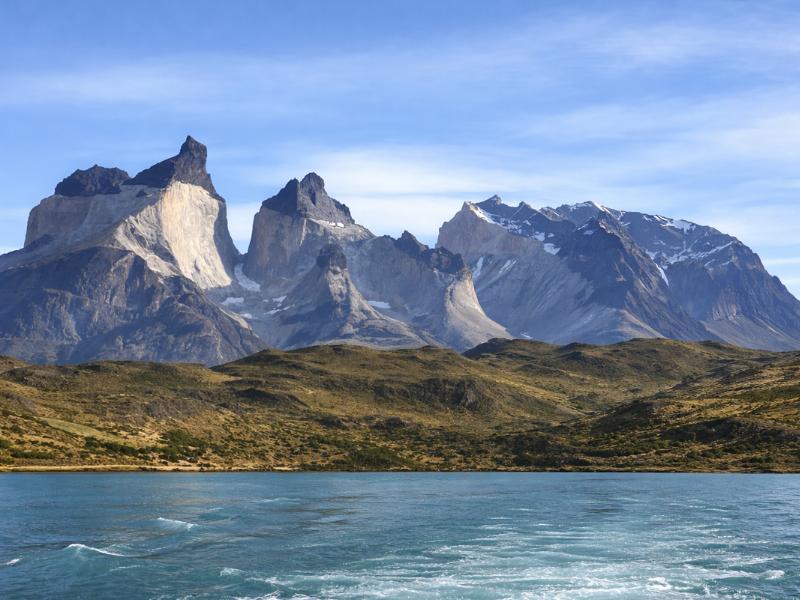
Torres del Paine W Trek Alternative 3-Day Guided Tour
Shorter than the full W: Base Torres, Valle Francés and the Grey Glacier viewpoint with a local guide. Both nights at Camping Pehoé, so full packs stay in camp.
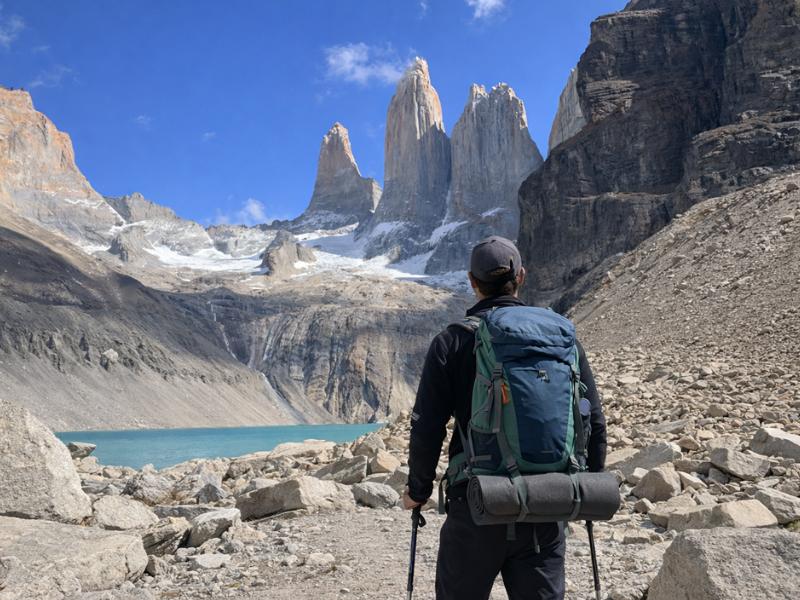
Torres del Paine 2-Day Express Tour – Aventura & Highlights
One night at Camping Pehoé, the hike to the Base Torres viewpoint, then the Condor and Cuernos viewpoints and the Aonikenk trail. Transport, bilingual guide, meals and poles included.
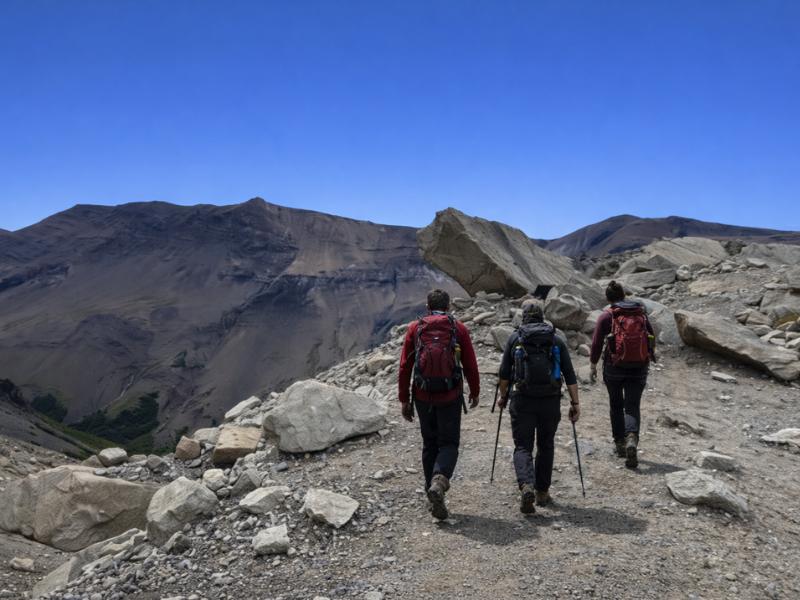
Torres del Paine Base Torres Trekking Day Trip from Puerto Natales
Year-round 20 km circuit from Puerto Natales, including the 27 April to 30 August 2026 window when Base Torres requires an authorised guide. Crampons included when there is ice or snow.
Safety, rescue and what you do when something goes wrong
The W is non-technical and patrolled, with control points registering hikers on the Base Torres and W routes, and you are rarely more than a day from a serviced refugio. That is a genuinely reassuring baseline. It is not the same as having someone with you when your ankle goes on the moraine.
The likeliest problems are ordinary. A rolled ankle on the 0.8 km moraine section, where about 200 m of loose boulder-hopping takes roughly 45 minutes. Exhaustion on day three. Hypothermia in wind and rain on an exposed lakeside leg, which is a serious risk in a place where gusts of 60 to 100 kph are routine and the western side of the park is much wetter than the east. None of those need a helicopter. All of them need a decision. Exhaustion on day three in particular is rarely bad luck, it is a fitness gap set before the trip started, and how fit the W actually demands you be is worth an honest read beforehand.
Self-guided, you make that decision with whoever you are walking with. Guided, the ratio is published: 1:6 in summer and 1:4 in winter on the day trips, with a bilingual guide plus an assistant guide, trekking poles supplied and crampons carried when there is ice or snow. That is a different level of margin, and it matters more in the shoulder season than in January.
Two rules are absolute regardless of which way you go. Camp only in designated reserved sites and stay on marked trails. And treat fire as the strictest rule in the park: no fires, no stoves outside designated cooking areas, no smoking anywhere, with Chilean law 20.653 carrying fines up to 2 million CLP, up to three years in prison and expulsion. Three major fires, in 1985, 2005 and 2011-12, were visitor-caused. Current closures and rules are posted by CONAF, the park authority.
Three ways to walk the same five days
The same route, the same nights, three different amounts of work before you arrive. This is the comparison worth making, because it holds the trek constant and varies only what you take on.
| Element | Self-guided, camping | Self-guided, refugio beds | Supported five-day W |
|---|---|---|---|
| Reservation systems you deal with | Three | Three | One, plus your own park ticket |
| Nights in the park | 4 | 4 | 4 |
| Sleeping | Own tent at $11 to $14, or equipped camping at $30 to $50 | Dorm beds at $46 to $114 | Confirmed vouchers, arranged |
| Eating | Carried food, cooked in designated areas only | Bought in refugios, roughly $25, $20 to $50 and $35 to $70 a day | Full board included |
| Transfers | Bought separately, bus, shuttle and catamaran | Bought separately | Bus and catamaran included |
| What you carry | Tent, mat, bag, stove, five days of food | A lighter pack, no food weight | A lighter pack |
| Published cost per person | Lower end of the $600 to $1,500 range | Upper end of the same range | $1,905, park ticket extra |
Read the bottom two rows together. The cheapest version is cheapest because you carry it, and the weight is what changes a 21 km day with 1,041 m of ascent from hard to grim. The middle column is the one people most often underestimate: refugio beds plus refugio meals for four nights can close most of the gap to a supported trip while leaving all the reservation work with you.
Who should self-guide, and who should not?
Self-guide if you have flexible dates, some multi-day walking behind you, patience for two Spanish-language reservation sites, and a spare day for weather. Do not self-guide if your dates are fixed and late, this is your first multi-day trek, or you are travelling between 27 April and 30 August 2026, when the Base Torres trail requires an authorised guide.
| Self-guide if | Do not self-guide if |
|---|---|
| You are reserving around April for the following season | Your dates are fixed and you are looking in October |
| You have walked consecutive multi-day routes before | This is your first trek of more than two days |
| You have a buffer day at the Puerto Natales end | Your flight out is the evening after your last walking day |
| You are comfortable with Spanish-first booking sites | You want one confirmation covering everything |
| You are travelling October to April | You are travelling 27 April to 30 August 2026 |
| Saving several hundred dollars matters more than the admin | You would rather spend the money than the evenings |
The winter rule is the only hard one in that table. Between 27 April and 30 August 2026 the Base Torres trail may only be walked with an authorised guide, most refugios shut for the season, and gate hours drop to 08:00 to 18:30. Everything else is a judgement call, and plenty of people make it correctly in both directions.
If the full W is more than you want
There is no rule that says the park has to be walked in five days. The towers are reachable in a single long day from Puerto Natales, and the two-day express and three-day guided alternative cover the same landmarks without four consecutive walking days or any reservation work at all.
The day-trip version of the Base Torres walk leaves Puerto Natales lodging between 06:30 and 07:00, drives about two hours to the eastern sector, and returns between 20:00 and 21:00. The listing describes a 20 km circuit with 870 m of elevation gain and includes shuttle transport, a bilingual guide plus an assistant, trekking poles and crampons when there is ice or snow. That is the guided Base Torres day trip from Puerto Natales, published from $99, with the park ticket bought separately.
If two or three days is the realistic window, the express and the three-day guided options above cover the towers, the Cuernos viewpoints, Valle Francés and the Grey Glacier viewpoint between them. And if the whole route is the goal but the administration is the obstacle, the supported five-day W exists for exactly that reader. Whichever way it goes, the honest summary is the one this page opened with: self-guiding is genuinely cheaper, and genuinely harder.
Two more pages are worth reading before you commit. The W against the O Circuit, compared honestly settles whether the W is even the right route for your days, and the packing list built around Patagonian wind decides how much you need to rent in Puerto Natales. You can also see every guided trip into the park we list in one place before deciding which side of this comparison you are on.