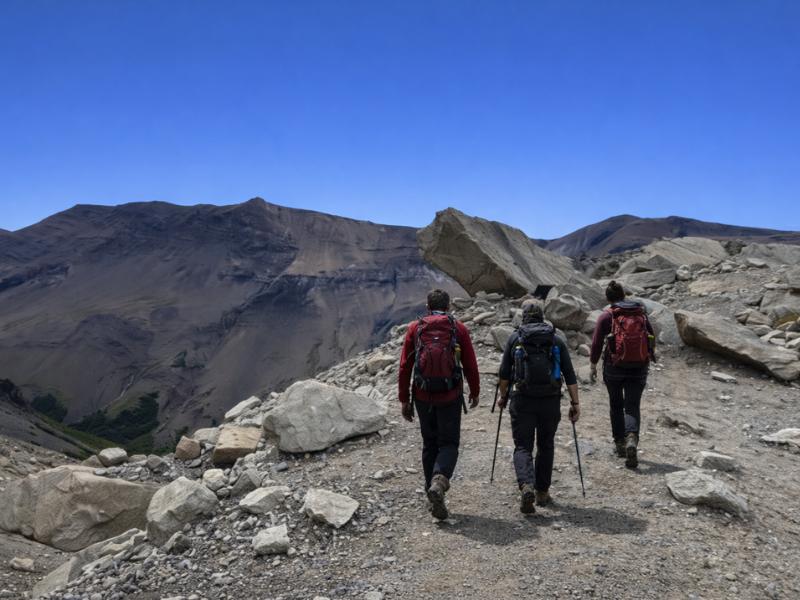
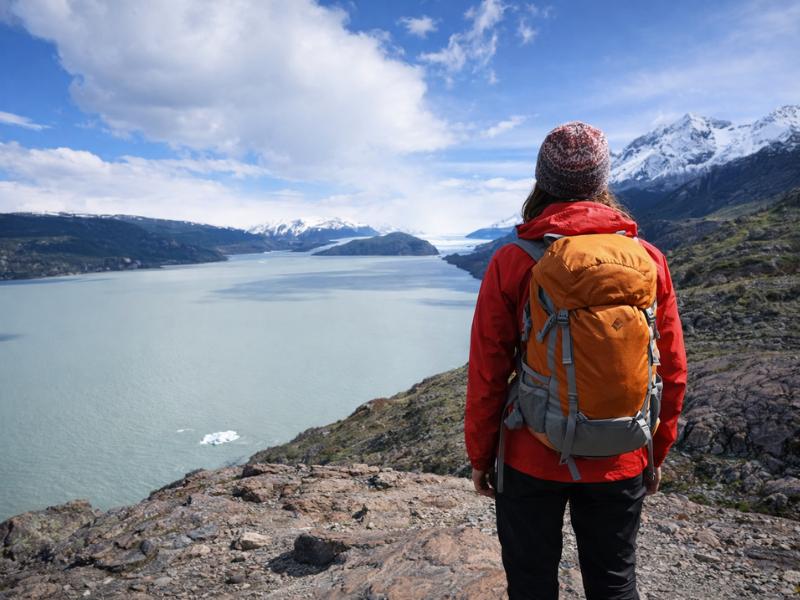
Torres del Paine Packing List: Wind First, Everything Else Second
Pack for the wind, not the cold. It averages above 28 kph every month of the year and the park is windier than the nearest town.
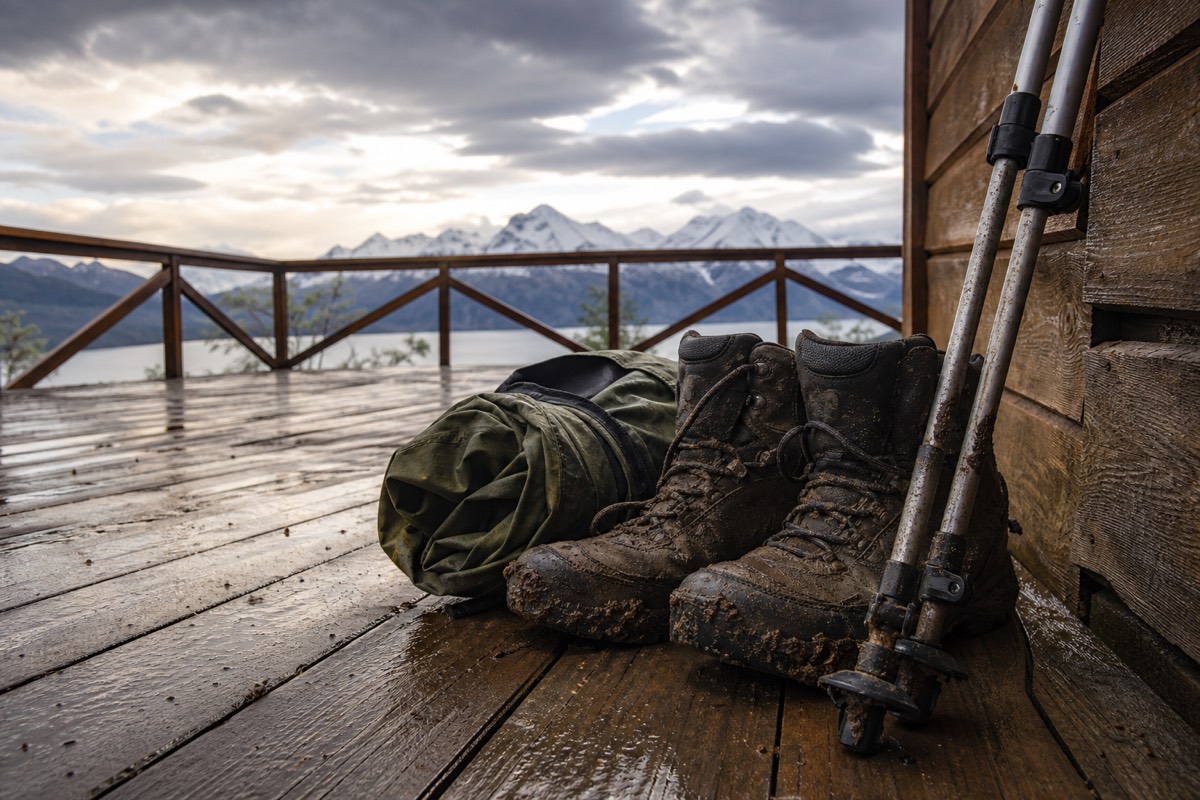
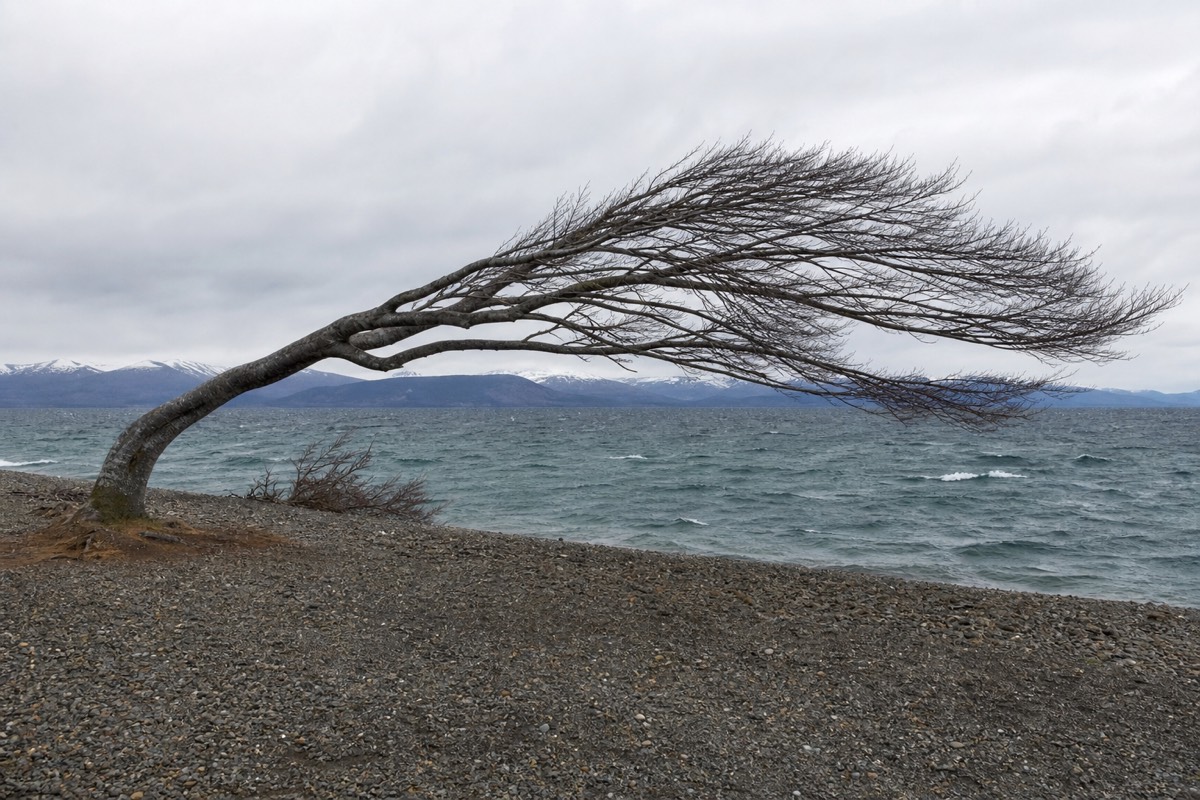
The wind is the thing to pack for. Not the cold, which is mild by mountain standards, and not the rain, which arrives on 13 to 16 days a month in summer but rarely lasts. Puerto Natales averages 37 kph of wind in November and the park is windier than the town, with everyday summer gusts of 60 to 100 kph and reported extremes up to about 193 kph. A jacket that handles 12 C and drizzle is not the same jacket that handles 12 C and 80 kph.
What follows is the kit list for a day visit, a refugio trek and a camping trek, what the day trips and treks we list already provide, what you can rent in Puerto Natales for a published price, and the things people carry all the way to Patagonia and never take out of the bag.
What gear and beds actually cost, per day
Published figures vary widely by season, sector and concessionaire, so several of these are the low end of a range rather than a fixed price.
What do you actually have to pack for Torres del Paine?
Three layers you can add and shed without stopping, a genuinely windproof and waterproof shell, boots with ankle support and a broken-in sole, sun protection stronger than the temperature suggests, one to two litres of water capacity, and a day pack you can walk 21 km with. Everything beyond that depends on whether you sleep in the park.
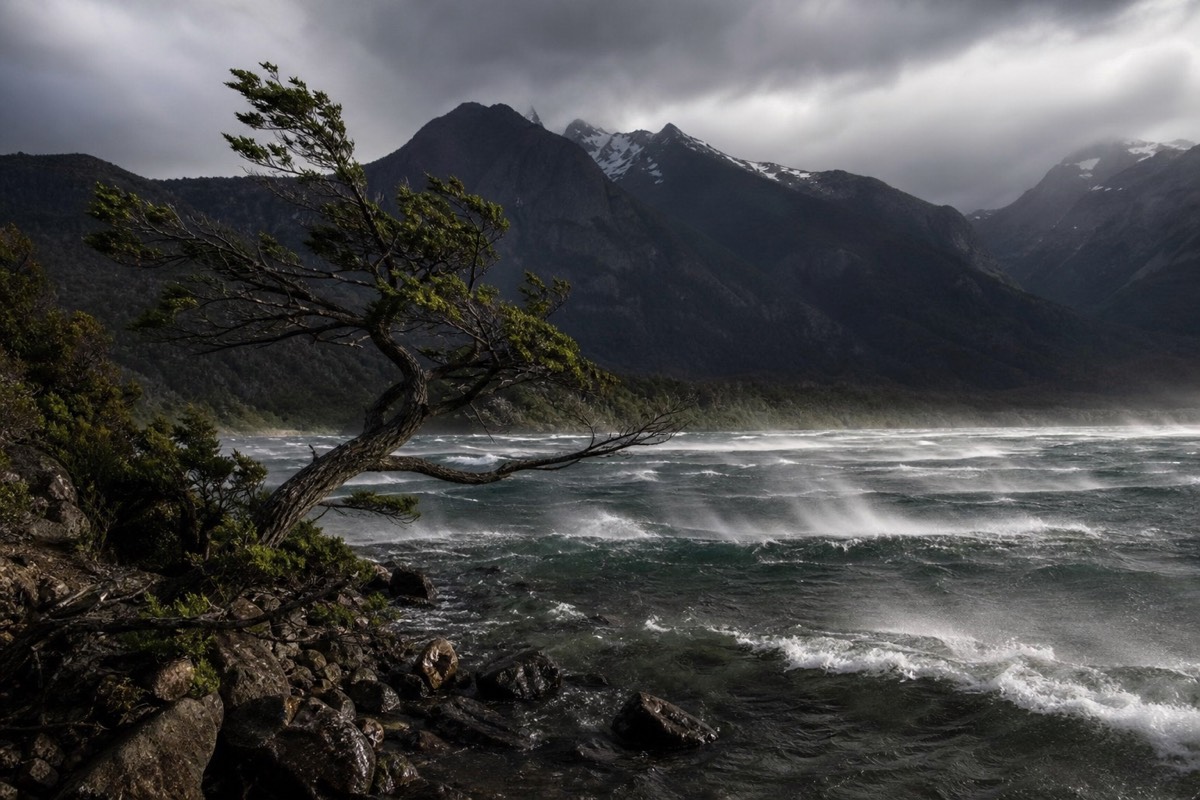
The park's climate makes the layering argument for you. January and February average 12.6 C and 13.1 C highs with lows of 6.6 C and 6.8 C, so the temperature swing inside a single day is around six degrees before wind chill and cloud enter the picture. April drops to 8.4 C average high. That is not a cold climate. It is a variable one, and variability is what layers exist for.
The second thing the numbers tell you is about daylight. Late December gives Puerto Natales roughly 05:00 sunrise to 22:00 sunset, about 17 hours. Late June gives roughly 09:30 to 17:30. A summer day hiker has an enormous margin for error and a winter one has almost none, which changes what counts as optional in a pack. A head torch is a nice-to-have in January and a required item in May.
Nothing on this list is exotic. Almost all of it can be rented or bought in Puerto Natales, and the sections below say which. The failure mode in Torres del Paine is not missing gear, it is the wrong fabric.
The layering system, and why cotton fails here
Base layer in merino or synthetic, mid layer in fleece or a light down piece, outer layer a hard shell that blocks wind and water. Cotton fails because it absorbs sweat, holds it against the skin and stops insulating the moment it is damp, and in a place with 12 C air and 60 kph wind, wet cotton against the chest is how a pleasant day turns into a cold one.
The mechanism is not dramatic and that is exactly the problem. Nobody gets into trouble in Torres del Paine because of a blizzard. They get into trouble because they climbed 1,041 metres up the Ascencio valley in a cotton t-shirt, sweated through it, stopped at the moraine for twenty minutes of photographs in the wind, and got very cold very fast while standing still. Merino and synthetics move moisture outward and keep insulating damp. Cotton does neither.
The mid layer is where personal preference lives. Fleece is bulkier and dries fast. Light down is warmer for its weight and useless when soaked. Most people walking the W in summer carry both a fleece for walking and a down piece for standing around at the refugio in the evening, because the evenings on the lake shore are the coldest hours anyone actually experiences on the trek.
Hands, head and neck matter more than people expect, again because of the wind rather than the temperature. A thin beanie, a buff and light gloves weigh almost nothing and get used on nearly every day in the park, including in January.
| Layer | Its job | What works | What fails |
|---|---|---|---|
| Base | Move sweat off the skin | Merino wool, synthetic | Cotton t-shirts, cotton underwear |
| Mid | Trap warm air, come off fast | Fleece, light down, synthetic puffy | Heavy sweaters, hoodies |
| Shell | Block wind and rain | Taped-seam hard shell with a hood | Soft shells, water-resistant only |
| Legs | Dry fast, resist wind | Synthetic trekking trousers | Jeans, cotton leggings |
| Extremities | Stop wind chill | Beanie, buff, light gloves | Bare head on the moraine |
The wind shell is the single most important item you own
If you bring one good piece of gear to Torres del Paine, bring a hooded hard shell that is genuinely windproof and genuinely waterproof, with taped seams and a hood that tightens down. Water resistance is not enough. The park's wind averages above 28 kph every month of the year in the nearest station's record and peaks at 37 kph in November.
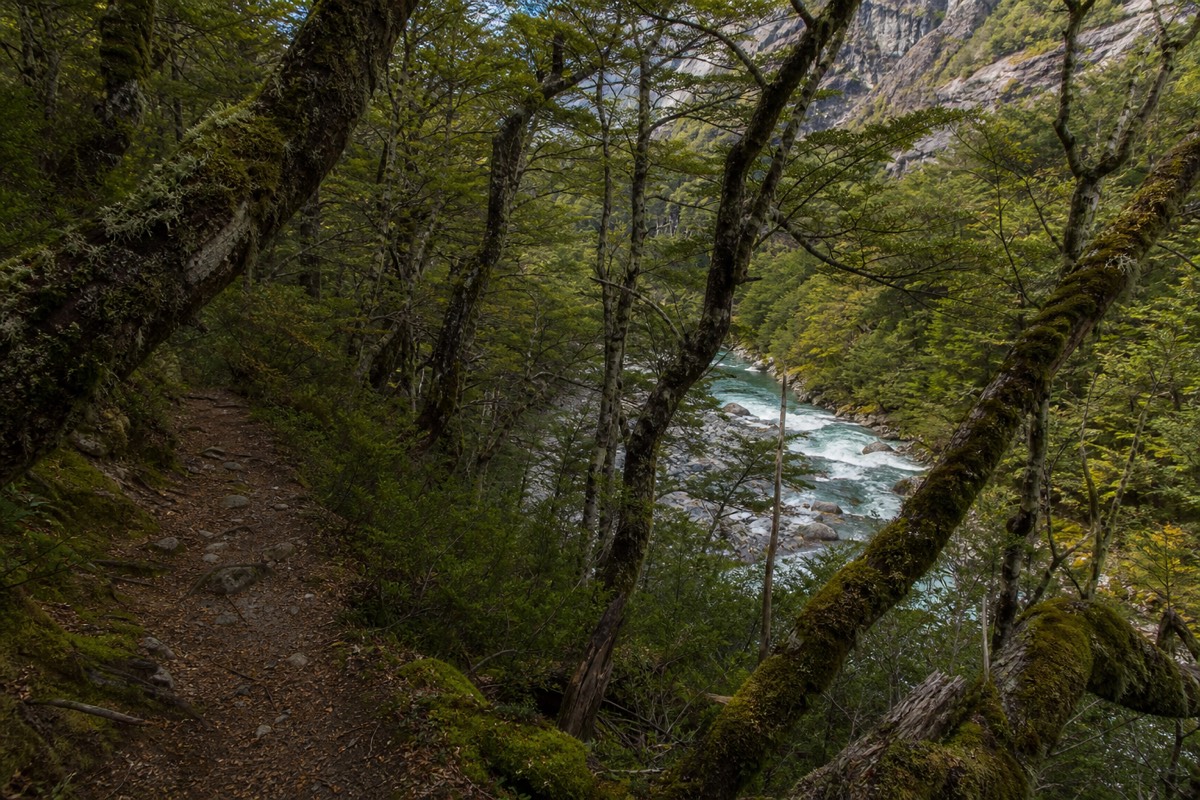
The hood is the part people get wrong. A shell with a floppy hood that blows off is a shell with no hood, and on the exposed shoulder above the Ascencio valley or on the open ground near Salto Grande you will want it cinched. Salto Grande is one of the windiest places most visitors will ever stand, because the gap the river uses between Nordenskjöld and Lago Pehoé is the same gap the wind uses.
Waterproof trousers are the second shell item and the one most day visitors skip. On a bus-based day you can probably get away without them. On a trek you cannot, because rain here comes sideways and the lower half of your body meets most of it. December is the wettest month at 155 mm across 16 wet days, and April is close behind at 154 mm.
One more thing the wind does: it rips. Rental agents in the region warn specifically about car doors being torn back on their hinges, which is a useful mental image for what a loose pack cover or a cheap umbrella will do. Umbrellas are not a thing in Patagonia. Do not bring one. Everything on the outside of your pack should be strapped, not clipped, and the monthly wind picture is set out in the month by month weather guide.
Boots, socks and the moraine
Mid or high-cut boots with ankle support and a lugged sole, broken in before you fly, worn with wool or synthetic socks and a spare pair in the pack. The reason is the last 0.8 km of the Base Torres trail: a 200 metre climb over 45 minutes across a boulder moraine with painted markers instead of a path, done twice, up and down.
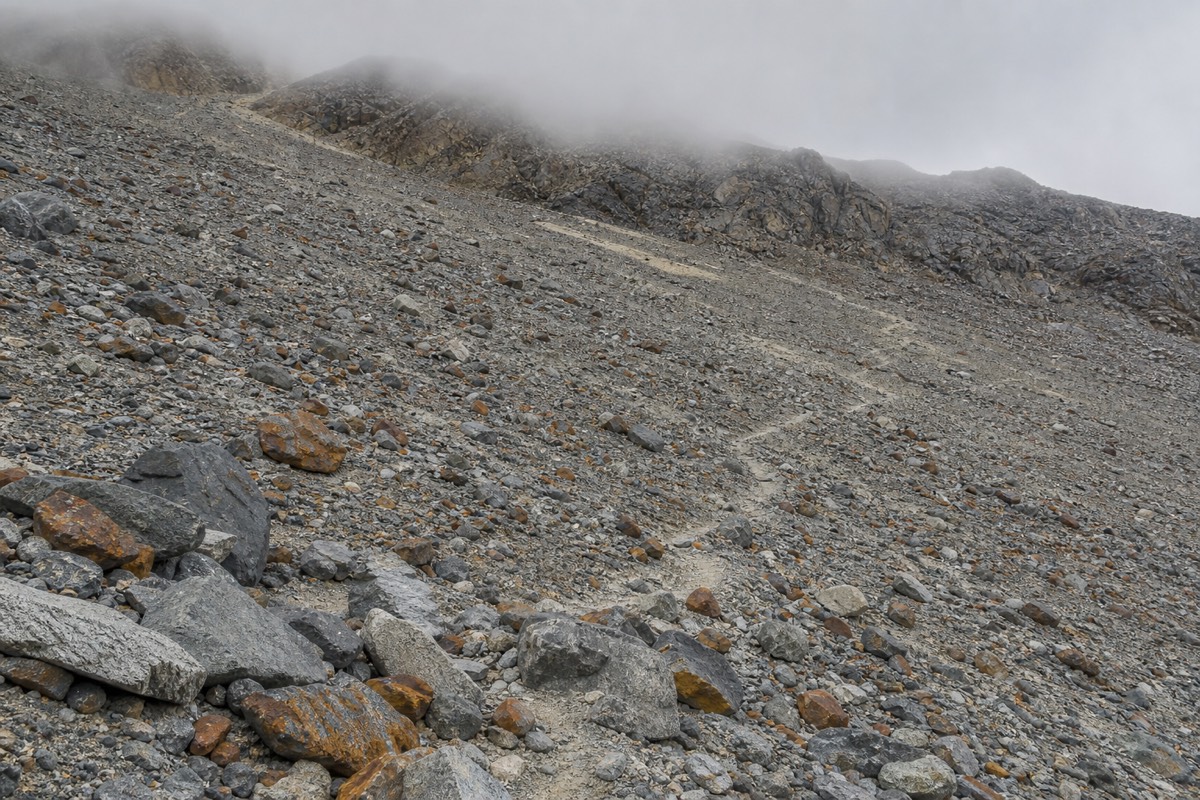
Trail runners work on plenty of Patagonian trails and plenty of experienced hikers use them. They work considerably less well on that moraine, on the descent, on a tired ankle, and in the wet. Given that the Base Torres day is 21 km with 1,041 metres of ascent and 8 to 10 hours on your feet, and the guided version lists it at 20 km and 870 m, the argument for ankle support is about the last hour rather than the first seven.
Waterproofing on boots matters most in the shoulder seasons and on the W, where there are stream crossings and boggy sections in the forest. It matters least on a bus-based day trip in February. Note that the guided Base Torres day trip explicitly does not include personal mountain footwear, and it does not include gaiters or a head torch in winter either, so those are yours to bring.
Socks are the cheapest insurance in this entire list. Two pairs of proper wool or synthetic hiking socks, one on and one dry in the pack, prevents most of the blisters that end days early. Bring blister plasters as well. On a 21 km day with a big descent, a hot spot at kilometre eight becomes a real problem by kilometre sixteen, and the trail breakdown in our Base Torres trail guide shows exactly where that descent bites.
Trekking poles: who needs them, and who already has them included
Anyone doing Base Torres, and anyone carrying a full pack on the W, should use two poles. The 1,041 metre descent is where knees complain and where turned ankles happen. Our guided Base Torres day trip includes Black Diamond trekking poles at no extra cost, and the two day express trip includes poles plus crampons in winter.
That inclusion is worth planning around, because poles are awkward to fly with. Most airlines will not take them in a cabin bag, which means checking luggage you might otherwise carry on. If your Torres del Paine plan is the guided Base Torres day trip or the two day express, the poles are handled and you can leave yours at home.
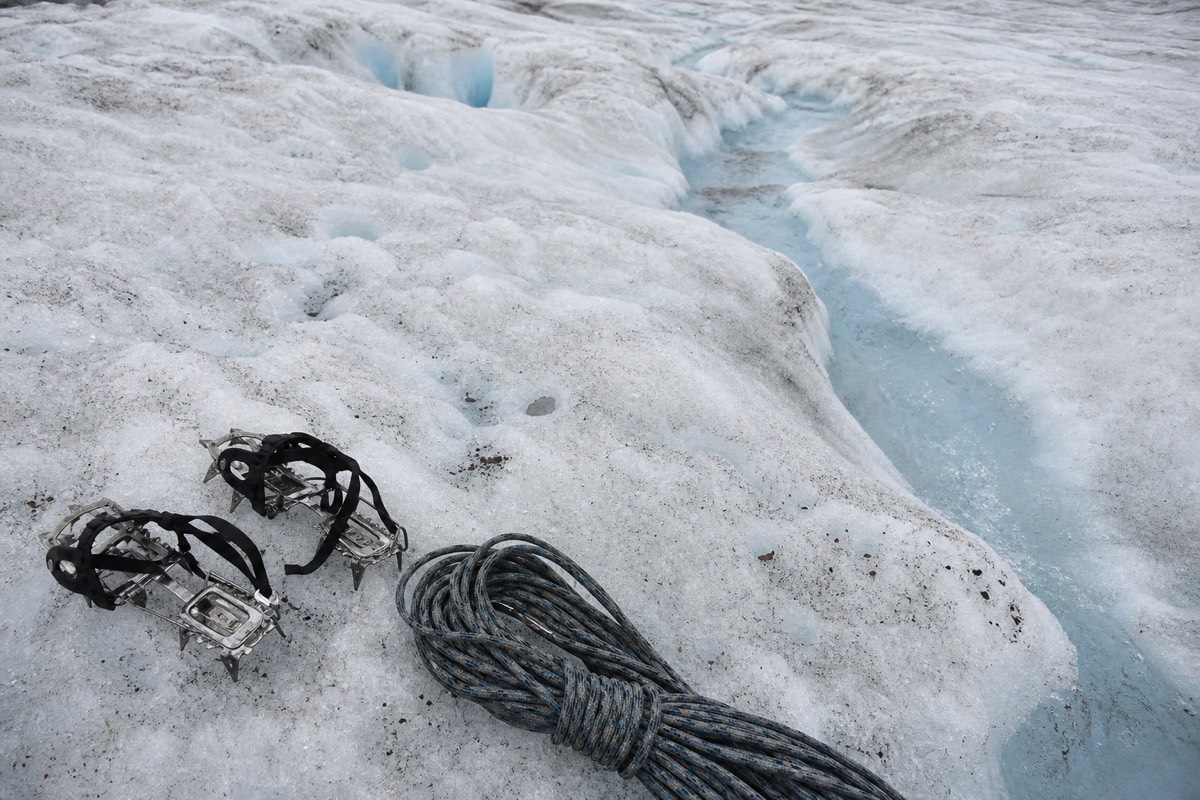
Both of those trips also carry crampons for when there is ice or snow on the trail, which is the more serious inclusion. The Base Torres route holds snow well into the shoulder season, and CONAF requires an authorised guide on that trail from 27 April to 30 August 2026 precisely because winter conditions on the moraine are a different problem from summer ones.
For a self-supported W you are on your own for poles, and the supported five day W we list is explicit that a professional guide and personal gear are not included, only the beds, the meals, the transfers and the check-in support. If you are walking that route unguided, read the self-guided versus guided comparison before deciding what you are carrying.
What changes between a day visit, a refugio trek and a camping trek
A day visit needs clothing, water, food and a shell. A refugio trek adds a sleeping bag liner, a travel towel, indoor shoes, a charger and several days of clothing. A camping trek adds the tent, the sleeping bag, the mat and the food, which is where the weight arrives and where rental in Puerto Natales starts to make sense.
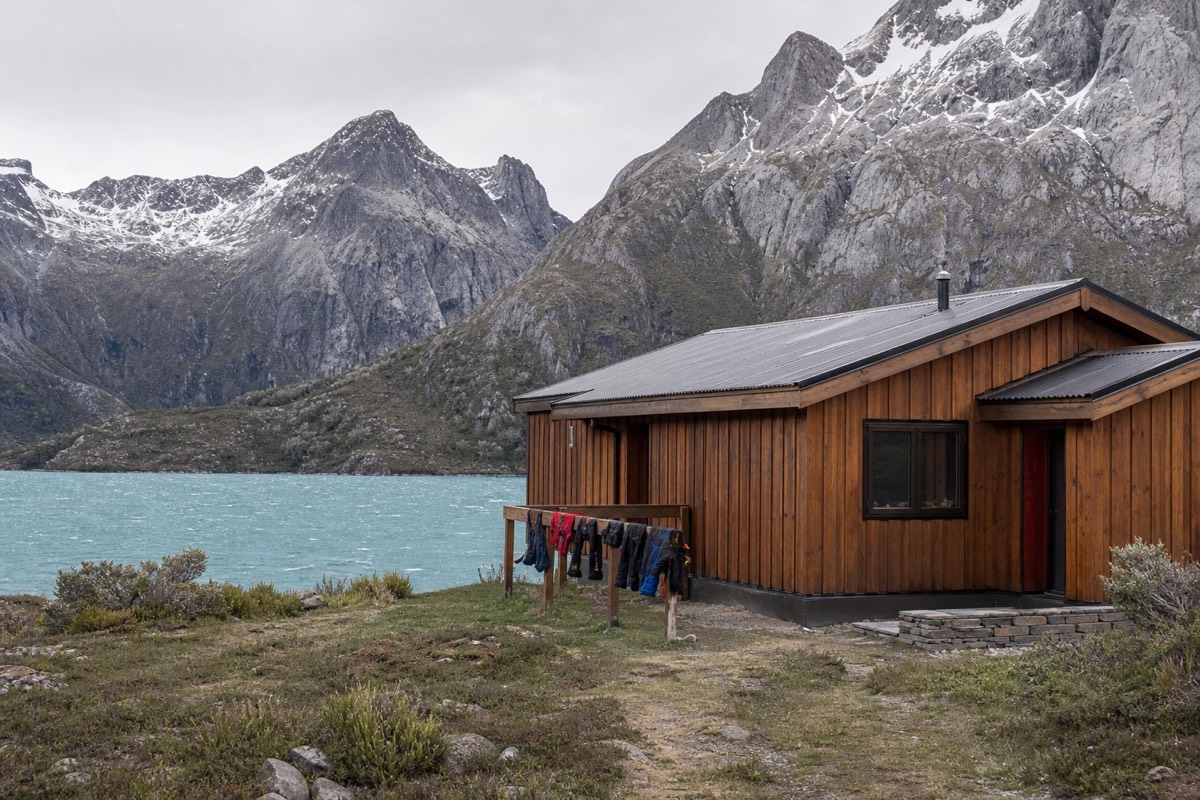
The refugio middle ground is underrated. On the W you can book beds and meals and carry only clothing, which is what turns an 80 km walk into something a first-time trekker can do. Dorm beds are published at roughly $46 to $114 per person depending on season and sector, and full-board supplements are often quoted around $100 a day. That is not cheap, and it buys you a pack that weighs a fraction of the alternative.
The camping version pushes costs down and weight up. Own-tent campsites run roughly $11 to $14 per person on the Vertice side, and equipped camping on the Las Torres side runs $30 to $50 for standard sites, with Serón at $40 to $90 in high season. No free CONAF campsites are operating and they have not reopened for the 2025 to 2026 season, so wild or free camping is not a plan.
Our three day guided alternative solves this differently again by sleeping two nights at Camping Pehoé on the lake shore, so full packs are not carried daily and you walk the Base Torres trail, the French Valley and the Grey viewpoint out of a fixed base. The camping guide and the refugio booking guide cover both systems in detail.
Recommended tours by season
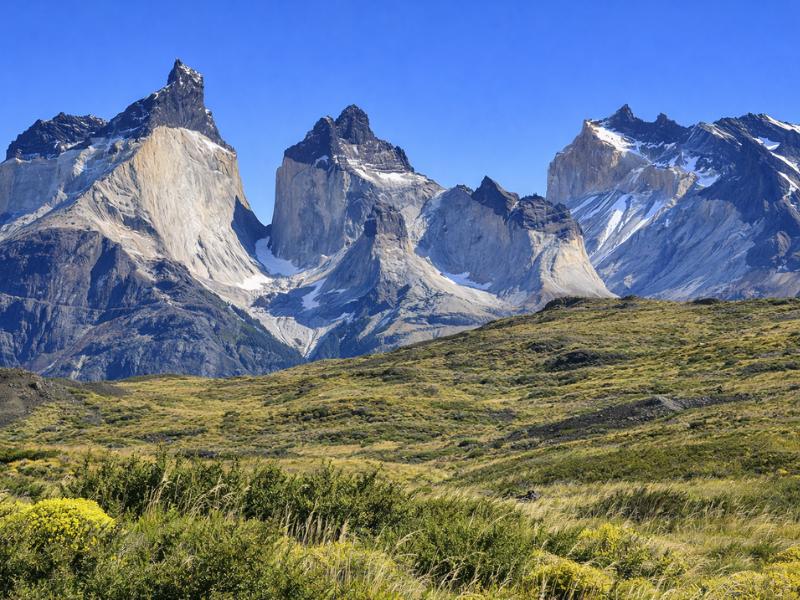
Torres del Paine Full-Day Adventure Tour from Puerto Natales
Summer day visit from Puerto Natales. Pack the day-visit list only: three layers, a hard shell, water and lunch.
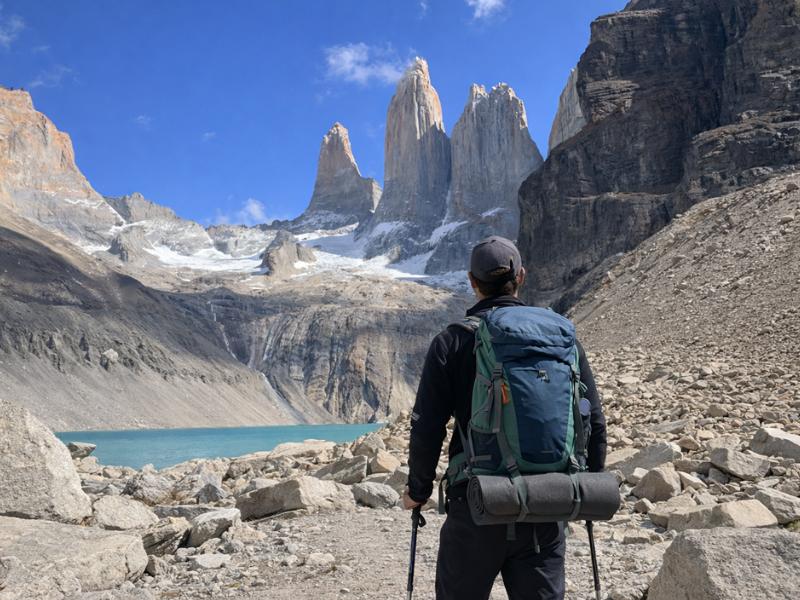
Torres del Paine 2-Day Express Tour – Aventura & Highlights
Two days in the park with an overnight at Pehoé. Pack the overnight list; poles are included, and crampons in winter.
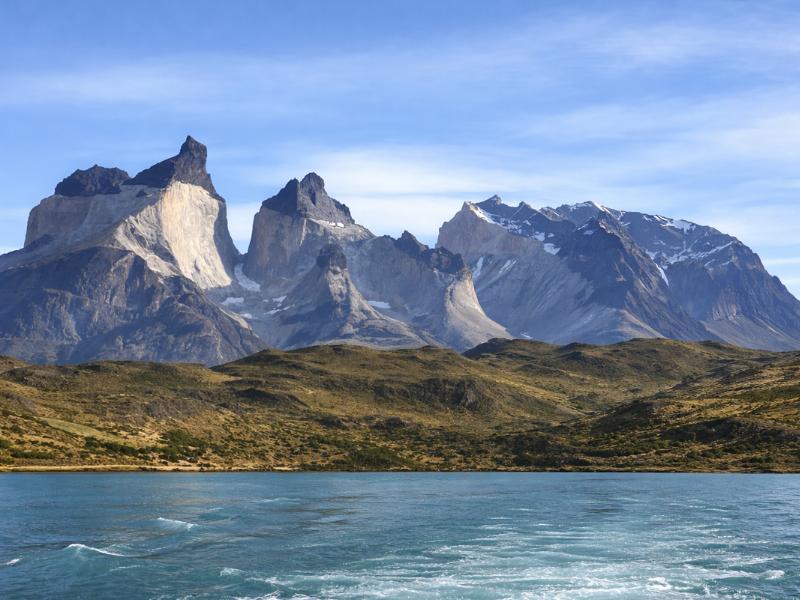
Torres del Paine W Trek Alternative 3-Day Guided Tour
Two nights at Camping Pehoé. You walk Base Torres, the French Valley and the Grey viewpoint from a fixed base, so the tent and stove stay off your back.
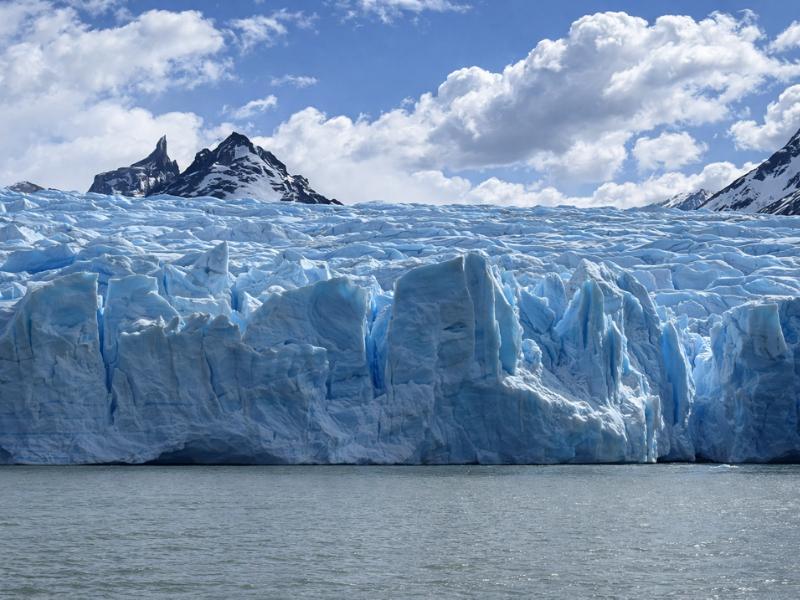
Torres del Paine: 3-Hour Grey Glacier Scenic Cruise
Three hours at Grey Glacier by boat. A shell, sunglasses and a buff cover it; leave the trek kit in town.
| Item | Day visit | Refugio trek | Camping trek |
|---|---|---|---|
| Hard shell and waterproof trousers | Shell yes, trousers optional | Both | Both |
| Sleeping bag | No | Liner only, bedding provided | Yes, three-season |
| Tent and sleeping mat | No | No | Yes, or rent equipped |
| Food | Packed lunch and snacks | Meals bought at refugios | Carried, no stove outside cooking areas |
| Towel and indoor shoes | No | Yes, showers available | Yes |
| Power bank | Useful | Yes, sockets are contested | Yes, assume none |
| Change of clothing | One spare layer | Two to three days' worth | Two to three days' worth |
How heavy should the pack be, and where does the weight go?
We are not going to publish kilogram targets, because the figures circulating online are unsourced and ours would be no better. What we can tell you is where the weight sits and in what order to attack it: shelter and sleep system first, food and water second, clothing third, everything else a rounding error. On a self-supported W, the first two groups are most of your pack.
Think of it as four groups. The shelter and sleep system, meaning tent, bag and mat, is the heaviest single block and the one that rental or an equipped campsite removes entirely. Food and water is the second, and it is the group that shrinks as you walk. Clothing is third and is where most people overshoot, carrying five days of outfits for a trek where two base layers and a shell will do. The fourth group is electronics, toiletries and documents, and it barely registers on the scale.
The order matters because it tells you which decision saves the most. Booking refugio beds with meals removes group one and most of group two in a single stroke. Renting a tent in Puerto Natales rather than flying yours south removes group one from your luggage allowance without removing it from your back. Cutting a spare fleece removes almost nothing.
Two of our trips remove the problem structurally. The supported five day W provides confirmed accommodation vouchers and full-board meals, so the food group vanishes and the shelter group with it. The three day guided alternative bases you at Camping Pehoé for two nights so that full packs are not carried daily at all. The route legs on that supported W are listed as Base Torres 19.5 km round trip, the Nordenskjöld leg 13.5 km, the French Valley day 20.5 km and the Grey day 22 km round trip, which is what those groups have to be carried across.
| Group | What is in it | Weight rank | How to cut it |
|---|---|---|---|
| Shelter and sleep | Tent, sleeping bag, mat | Heaviest | Book refugio beds or equipped camping |
| Food and water | Meals, snacks, 1 to 2 litres | Second, and it shrinks daily | Buy meals at refugios, refill from streams |
| Clothing | Layers, spare socks, shell | Third, and most overpacked | Two base layers, not five |
| Safety and kit | Poles, head torch, first aid | Light but not optional | Use the poles the trip provides |
| Electronics and papers | Phone, power bank, passport | Negligible | One power bank, not three cables |
Renting gear in Puerto Natales instead of flying it south
Rental Natales publishes roughly $37 a day for a tent and $8 a day for a sleeping bag, which for a four or five day W is often cheaper than paying to check a bag across two flights and considerably less trouble. Puerto Natales is the gear town for the whole park: rental shops, supermarkets, bus terminal and every tour departure sit inside a few blocks.
The maths is worth doing rather than assuming. A tent at about $37 a day over four nights is a real number, and at some point buying beds instead becomes the better trade. Set the tent rental against a dorm bed at $46 to $114 per person, or against an own-tent campsite at $11 to $14, and the picture depends heavily on how many of you there are and which season you are in.
The other thing Puerto Natales solves is food. Refugio meals cluster around $25 for breakfast, $20 to $50 for a box lunch and $35 to $70 for dinner, with sources varying widely, so a supermarket run in town before you go up is the single biggest lever on a camping trek's budget. There is nowhere to buy anything between the gate and the refugios, and there are no fuel stations inside the park either, which matters if you are driving.
A day tripper needs none of this. Leaving town by about 07:00 with a packed lunch, a shell and a full water bottle covers a scenic day completely. The Puerto Natales town guide covers what is where, and prices should always be checked live rather than taken from any article, including this one.
| Item | Published price | Note |
|---|---|---|
| Tent rental, Rental Natales | About $37 a day | Compare against equipped camping |
| Sleeping bag rental | About $8 a day | The cheapest weight saving available |
| Own-tent campsite, Vertice | $11 to $14 per person | Must be reserved in advance |
| Refugio dorm bed, Vertice | $46 to $114 per person | Varies by season and sector |
| Equipped camping, Las Torres | $30 to $50, Serón $40 to $90 | Serón is dearest in high season |
| Refugio breakfast | Around $25 | Figures vary, check the concessionaire |
| Box lunch | $20 to $50 | Wide published range |
| Refugio dinner | $35 to $70 | Full board often quoted near $100 a day |
Sun, wind burn and the things that wreck a face in a day
High-factor sunscreen, lip balm with sun protection, proper sunglasses and something that covers the back of the neck. Southern Patagonian sun is stronger than its temperature suggests, the days run to 17 hours in late December, and wind burn does its own damage on top of the ultraviolet. People come off the Base Torres trail in February looking scorched at 12.6 C.
Sunglasses are a genuine safety item rather than a style one, because the combination of wind and grit on exposed sections is unpleasant without them and because reflected glare off Lago Grey and off snow is significant. Anyone on the ice with crampons, or on a glacier boat deck, wants them for the whole time.
The wind burn part is less understood. Continuous 30 kph wind across a face for eight hours strips moisture and leaves skin raw independent of the sun, which is why a buff pulled up over the lower face is standard practice among guides here. It costs nothing and weighs nothing.
Hat choice should account for the same wind that takes car doors off. A cap with no retention will be gone within a day, so either a hat with a chin cord or a beanie is the practical answer, and a beanie is the more useful of the two most months. Timing your visit for the calmer months is the other lever, and the seasonal timing guide lays out which those are.
Water, food and the rules about stoves and fire
Water is one of the genuinely easy parts of Torres del Paine. Trekkers routinely fill bottles straight from running streams in the park, which means one or two litres of capacity is enough rather than a day's supply. Take it from moving water above campsites, never from standing pools or downstream of a camp, and carry a filter if you want the extra margin.
That is a real saving. A litre of water weighs a kilogram, and not having to carry four of them is the difference between a comfortable day pack and a heavy one. It also means a bladder or two bottles is plenty of capacity for a 21 km day.
Fire and stoves are the strictest rules in the park and they are not soft guidance. No fires anywhere. No camp stoves outside designated cooking areas. No smoking anywhere in the park. Chilean law 20.653 carries fines up to 2 million CLP, up to three years in prison and expulsion from the park, and the reason for the severity is history: visitor-started fires in 1985, 2005 and 2011 to 2012, with the last one burning a large part of the eastern park. If you are carrying a stove for a camping trek, it goes in the cooking shelter and nowhere else. CONAF publishes the rules and closures for the park directly.
Food itself has one border complication. Chile's agricultural service does not allow fresh fruit, vegetables, meat, dairy or honey across the land border from Argentina, so anyone arriving from El Calafate should shop after the crossing, not before. That is covered alongside the rest of the route in our comparison of the two Patagonian hiking hubs.
Documents: passport, the tourist card and the park QR code
Three pieces of paperwork matter. Your passport, the Chilean tourist card, which is the PDI slip immigration issues on entry, and the QR code for your park ticket bought in advance at pasesparques.cl. The tourist card is the one people lose, and losing it costs money, because passport plus card at hotel check-in is what triggers the 19% IVA exemption for foreign tourists paying in foreign currency.
The park ticket is the one that ruins days. It is bought online in advance, it is date locked and it is non refundable except when the park itself closes. Payment totems at the Serrano and Laguna Amarga entrances take cards but exist mainly for private vehicles, so arriving on a bus without a QR code is not a plan. Current pricing is 34,000 CLP for a foreign adult on a single day and 48,500 CLP for the pass covering up to ten consecutive days, with children under 12 free, and CONAF applied a 4.9% inflation adjustment for January to April 2026 with a new tariff system postponed to 1 May 2026. Check the official ticketing portal for the live figure.
Gate hours are part of the paperwork problem too. High season, October to April, the gates run 07:00 to 21:00. Low season, May to September, 08:00 to 18:30. Weather changes those. Trail registration at control points applies on the Base Torres and W routes, so keep the ticket accessible rather than buried in a pack.
Keep digital and paper copies of all three. Phone batteries fail in cold wind, and a screenshot in an offline album beats an app that wants a signal. Fee detail and edge cases sit in the tickets and fees guide.
| Document | Why you need it | Where you get it |
|---|---|---|
| Passport | Border, hotel check-in, park control | Carry the original |
| Chilean tourist card, PDI slip | Triggers the 19% IVA exemption | Issued at immigration on entry |
| Park ticket QR code | Entry at the porteria, trail registration | pasesparques.cl, in advance |
| Refugio or campsite confirmation | Checked on the W and O routes | Las Torres or Vertice, separately |
| Travel insurance details | Not included on most trips | Arrange before travel |
| Digital affidavit for Chile | Required on the El Calafate crossing | Complete before the border |
Electronics, charging and what people always overpack
One power bank, one cable, a phone and a camera. Sockets in the refugios exist but are contested by everyone else on the trek, wifi is an extra paid service at the bigger ones, and campsites should be treated as having no power at all. Everything else in the electronics bag is optional, and the same is true of half the clothing most people bring.
The overpacking pattern is consistent. Too many clothes, because people pack for five distinct days rather than for two layers washed once. A second pair of boots, which nobody wears. Heavy books. Full-size toiletries, when refugio showers exist and a small bottle is enough. Umbrellas, which are useless in this wind. A drone, which has its own restrictions in a national park and rarely earns its weight. And four litres of water, when the streams are right there.
What people underpack is smaller and cheaper: blister plasters, a spare pair of socks, a buff, lip balm, a head torch in the shoulder season, and cash in Chilean pesos. That last one is specific. The shuttle from Laguna Amarga to the Welcome Center is 7 km, costs 4,000 to 4,500 CLP and is cash only, and it is the connection people most often fail to budget for. There is no ride-hailing app in Puerto Natales either, where private transfers run around $150.
If your trip is a guided day rather than a trek, most of this collapses to a day pack. The supported five day W takes the beds, meals and transfers off your list but leaves personal gear with you, while the Base Torres day trip and the two day express hand you poles and, in winter, crampons. Every option and what each includes is listed across the day trips and treks we sell, and if you are still choosing a walk, the ranked day hikes guide is the place to start.
| Commonly overpacked | Why people bring it | Do this instead |
|---|---|---|
| Five days of outfits | Packing for days, not for layers | Two base layers, wash once |
| A second pair of boots | Fear of wet feet | Spare socks and light indoor shoes |
| Umbrella | Rain in the forecast | Hard shell with a tightening hood |
| Four litres of water | Habit from drier places | One to two litres, refill from streams |
| Full-size toiletries | Home routine | Small bottles, showers exist at refugios |
| Own trekking poles for a day trip | Not checking what is included | The guided Base Torres day provides them |
| Cards only, no cash | Assuming card acceptance | Chilean pesos for the cash-only shuttle |