Camping in Torres del Paine National Park: Sites, Costs and the Wind
What camping inside Torres del Paine really costs, why nothing here is free or spontaneous, and how the wind decides where and how you pitch.
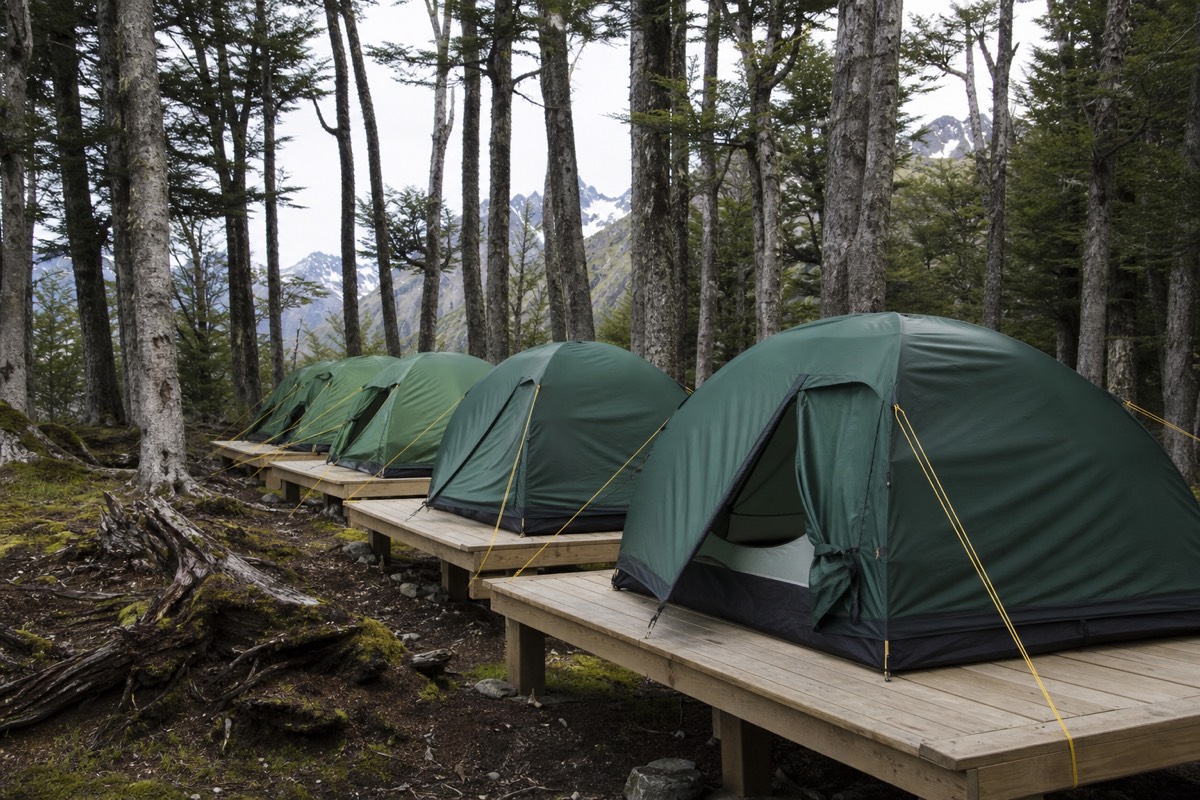
An own-tent pitch inside Torres del Paine is published at roughly $11 to $14 per person a night. A dorm bed at the same refugio is $46 to $114. That gap is the entire argument for camping here, and it is a real one: over four nights it is the difference between about $50 and up to $456 per person.
What the gap does not tell you is that the tent has to be reserved months out like every other bed in the park, that free camping does not exist here at all any more, that you cannot light a fire under any circumstances, and that the wind averages above 30 kph every month of the year and peaks in November at 37 kph. Camping in this park is cheap. It is not casual.
Four nights inside the park, camping against beds
Totals are the published per-night rates multiplied out. Park entry adds 48,500 CLP, around $51, on the multi-day pass.
Can you camp anywhere in Torres del Paine?
No. Camping is permitted only at designated, reserved campsites run by the two concessionaires, and every one of them must be booked in advance. Wild camping is not permitted anywhere in the park, and the free CONAF campsites that older guides describe are not operating and have not reopened for the 2025-26 season.
This is the fact that most needs stating early, because a lot of the camping advice online predates the change. There was a version of this trek where you strung free CONAF sites together and slept on the W for almost nothing. That version is gone. Every night inside the boundary is now a paid, named, reserved night with either Las Torres Patagonia in the Central, Chileno and Serón sectors or Vértice Patagonia at Paine Grande, Grey, Dickson and Los Perros.
Rangers check reservations, and the rule sits alongside the fire ban in the same body of CONAF regulation. The penalties attached to the fire legislation, Chilean law 20.653, reach 2 million CLP, up to three years in prison and expulsion from the park. Camping outside a designated site is not a saving, it is the thing that ends your trip early. The current rules are published by CONAF, which administers the park.
| Sector | Operator | Own tent | Equipped camping | Route |
|---|---|---|---|---|
| Paine Grande | Vértice | Yes | Yes | W, western end, catamaran arrival |
| Grey | Vértice | Yes | Yes | W, glacier arm |
| Dickson | Vértice | Yes | Yes | O Circuit back side only |
| Los Perros | Vértice | Yes | Yes | O Circuit, last stop before the pass, cold showers, no wifi |
| Central | Las Torres | Site dependent | Yes | W, eastern end, Base Torres trailhead |
| Chileno | Las Torres | Site dependent | Yes | W, Ascencio valley, sells out first every year |
| Serón | Las Torres | Site dependent | Yes, $40 to $90 in high season | O Circuit back side only |
Availability by site and pitch type changes season to season, so confirm on the concessionaire's own page. The booking mechanics for both companies are set out in refugio beds and the booking calendar.
How much does it cost to camp in Torres del Paine?
An own-tent pitch at a Vértice site is published at about $11 to $14 per person a night. Equipped camping, where the tent is already pitched and waiting, is about $30 to $50 at standard Las Torres sites and $40 to $90 at Serón in high season. Add the park entrance fee, 34,000 CLP for a single day or 48,500 CLP for the multi-day pass.
The own-tent figure is the cheapest legal way to sleep inside Torres del Paine, full stop. Four nights comes to roughly $44 to $56 per person for the pitches, which is less than one high-season dorm bed. If you already own a tent, a bag and a mat, and you are willing to carry them over 21 km with 1,041 m of ascent on the Base Torres day, the maths is not close.
If you do not own the kit the picture changes fast, and that is where most people get their sums wrong. Renting a tent in Puerto Natales is published at about $37 a day and a sleeping bag at about $8 a day with Rental Natales, so four days of both is roughly $180 on top of the pitches. At that point own-tent camping costs about $236 for four nights against $120 to $200 for equipped camping where the tent is already up and you carry nothing.
| Sleeping option | Per person per night | What you carry |
|---|---|---|
| Own-tent pitch, Vértice site | About $11 to $14 | Tent, mat, bag, stove, food |
| Equipped camping, standard site | About $30 to $50 | Bag or bedding depending on the operator, food |
| Equipped camping, Serón high season | About $40 to $90 | The same |
| Refugio dorm bed | About $46 to $114 | Clothes and a day pack |
Park entry sits on top of all four and is a separate booking entirely. The fee structure, the exemptions and the break-even between the one-day and multi-day tickets are in park entry fees and gate hours.
Own tent or equipped camping: what does the extra money buy?
Equipped camping buys you a tent that is already pitched, on a site that has been chosen and prepared, with the wind problem already solved by somebody who does it every day. Own-tent camping buys you roughly $20 to $80 a night in savings and the obligation to carry about three kilos of shelter across the park.
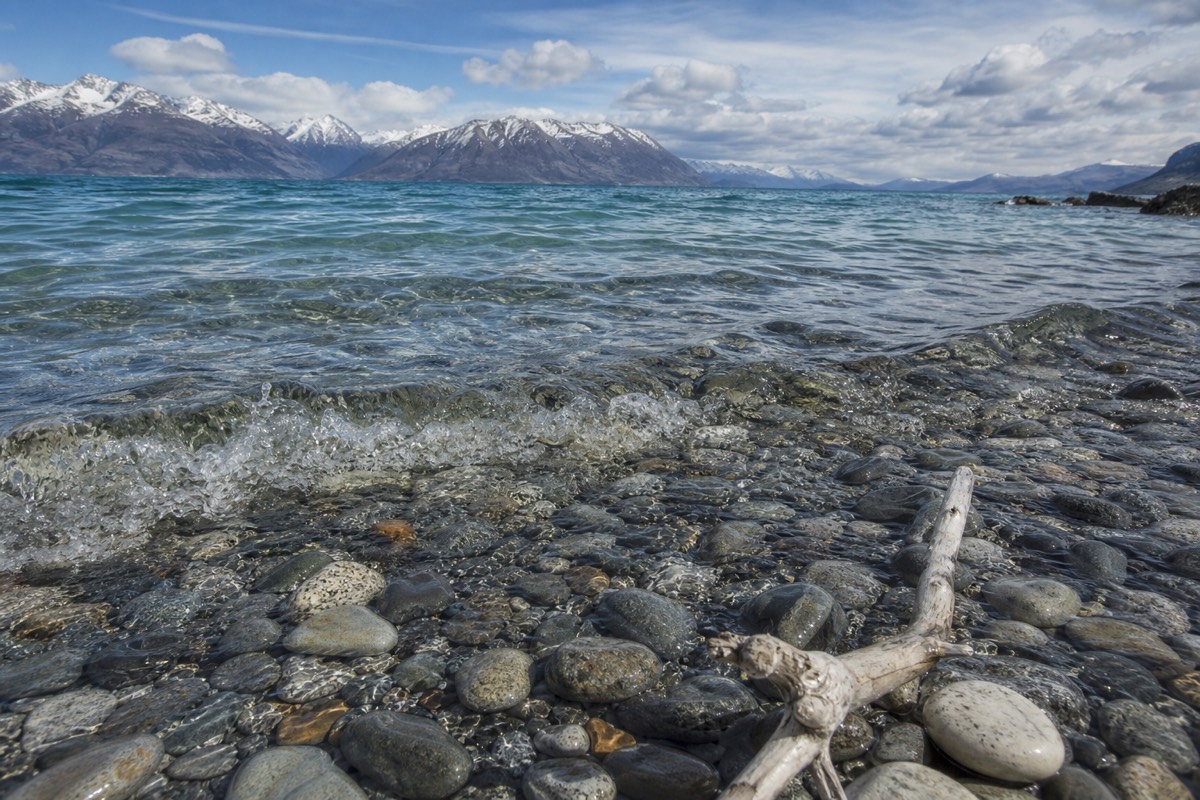
The weight argument is stronger here than in most places, because the W is not a flat route. The Base Torres day from the Welcome Center is 21 km round trip with 1,041 m of ascent, and the last 0.8 km to the mirador climbs about 200 m over loose moraine in about 45 minutes. Everything in your pack is felt on that section. A tent, a mat and a sleeping bag are the three heaviest things most campers carry, and equipped camping removes the first two of them outright.
The counter-argument is flexibility and money. Own-tent sites exist at the Vértice sectors, which are exactly the ones on the glacier arm of the W, and they are the pitches most likely to still have space when the dorms are gone. If you are booking late, an own tent is often not a preference, it is the only thing left. That is worth knowing before you decide you will definitely sleep indoors.
| Item | Own tent | Equipped camping | Refugio dorm |
|---|---|---|---|
| Tent | You carry it | Already pitched | Not needed |
| Sleeping mat | You carry it | Usually provided, confirm with the operator | Not needed |
| Sleeping bag | You carry it | Varies by operator and site | Varies by operator and site |
| Stove, pot and fuel | You carry it, used only in designated cooking areas | Only if self-catering | Not needed |
| Food for the whole trek | You carry it or buy on site | You carry it or buy on site | Buy on site or take full board |
| Wet-weather shell and layers | You carry it | You carry it | You carry it |
Nobody publishes reliable pack weights for this route, so treat the carry column rather than a gram figure as the honest comparison. The kit list itself is in the full packing list.
Can you rent camping gear in Puerto Natales?
Yes, and for most visitors it is the right call rather than flying a tent to the end of the continent. Rental Natales publishes roughly $37 a day for a tent and about $8 a day for a sleeping bag. Puerto Natales is the last town before the park, 112 km away, and it holds the gear shops, the supermarkets and the fuel canisters you cannot fly with.
Rental changes the arithmetic in a way worth doing on paper. A tent at $37 a day is not a small number against an $11 pitch: over four nights the rented shelter costs three times the ground it stands on. Two people sharing a tent halve that per head, which is the single adjustment that makes rented own-tent camping competitive again. Solo campers renting kit are usually better off in equipped camping.
Fuel is the item people forget. Gas canisters cannot travel on a plane, there is nothing to buy between the park gate and your first campsite, and there is no fuel station of any kind inside the park. Everything you intend to burn, cook on or eat comes out of Puerto Natales. Give yourself a proper afternoon in town for the shopping rather than an hour before the 07:00 bus. What the town offers is covered in gear shops and supermarkets in town.
| Item | Published daily rate | Four days | Note |
|---|---|---|---|
| Tent | About $37 | About $148 | Rental Natales published rate, shared between two halves the per-person cost |
| Sleeping bag | About $8 | About $32 | Rental Natales published rate, one per person |
| Tent and bag together, one person | About $45 | About $180 | The figure to set against equipped camping |
| Gas canisters and food | Not published | Not published | Buy in Puerto Natales, nothing is sold on the route |
What does the wind actually do to a tent here?
Average wind at the Puerto Natales station runs above 28 kph in every month of the year and peaks at 37 kph in November. The park itself is windier than the town. Everyday summer gusts of 60 to 100 kph are what campers actually meet, and regional sources have reported extremes up to about 193 kph. Pitch accordingly, every night, including the calm ones.
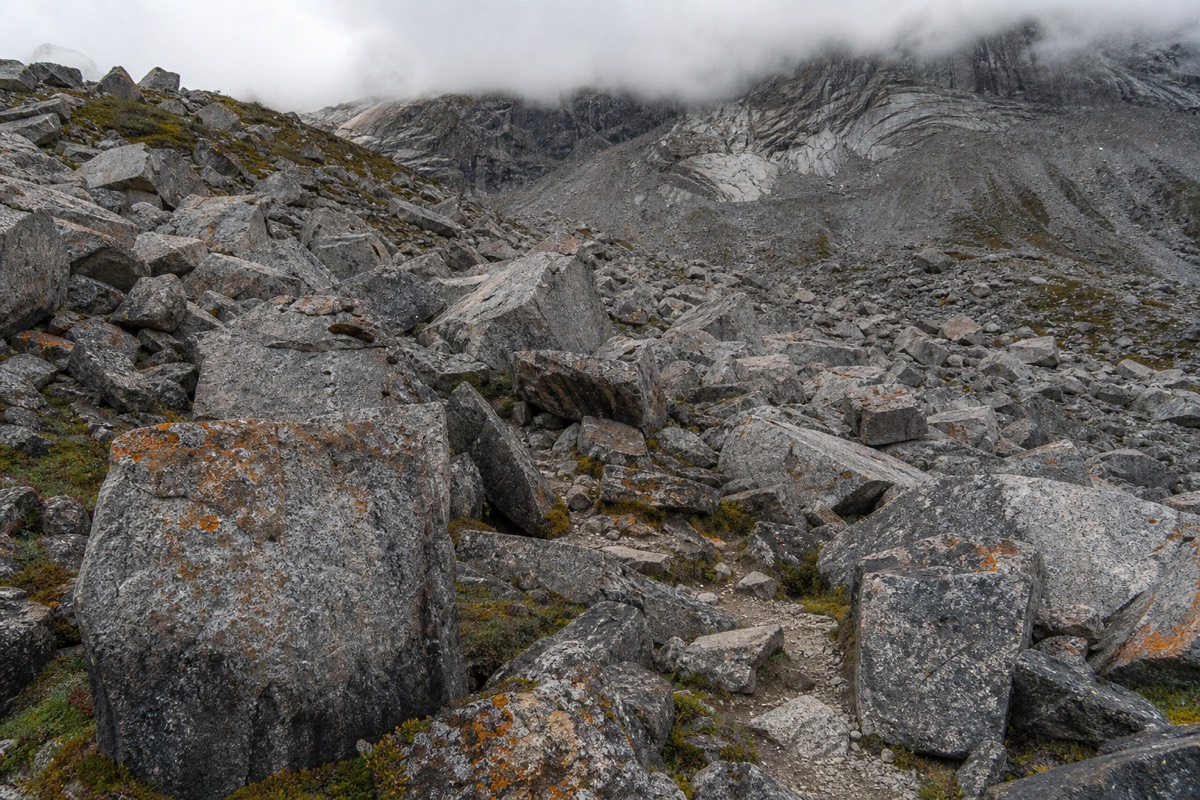
The pattern matters as much as the peak. Wind here builds through the afternoon, which means the tent you put up at four in the afternoon is being tested at eight in the evening and again at three in the morning. Guy every line out, even when the air is still on arrival. Put the low end of the tent into the prevailing wind rather than the pretty view. Weight the corners with whatever the site gives you, and treat a tent left unpegged for two minutes as a tent that has gone.
The developed campsites help more than people expect. Several sites use raised wooden platforms, which keeps you out of standing water on a route where the western side is significantly wetter than the eastern steppe, but platforms also mean pegs do not go into ground and you are tying off to the structure instead. Free-standing tents suit this park better than anything that needs a taut peg-out to stand up at all. November is the windiest month and December the wettest; the full monthly record is in monthly wind and rain figures.
| Month | Average wind | Wet days | Average low | Daylight |
|---|---|---|---|---|
| October | 33 kph | 14 | 2.0 C / 35.6 F | 13.5 h |
| November | 37 kph, the windiest month | 15 | 3.8 C / 38.8 F | 15.5 h |
| December | 34 kph | 16, the wettest month | 5.6 C / 42.1 F | 17.0 h |
| January | 32 kph | 16 | 6.6 C / 43.9 F | 16.5 h |
| February | 31 kph | 13 | 6.8 C / 44.2 F | 15.0 h |
| March | 30 kph | 15 | 5.6 C / 42.1 F | 13.0 h |
| April | 29 kph | 14 | 3.2 C / 37.8 F | 11.0 h |
Figures are 1991-2021 normals for the Puerto Natales station, cross-referenced to the published climate record for the town. The park sits 112 km away and is windier and wetter than these numbers, so read them as a regional baseline rather than a campsite forecast.
Cooking, stoves and the fire ban that has teeth
No fires anywhere in Torres del Paine, at any site, in any season. Camp stoves may be used only in designated cooking areas, never at your tent. No smoking anywhere in the park. Chilean law 20.653 backs this with fines up to 2 million CLP, up to three years in prison and expulsion from the park. This is the strictest rule in the park and the most enforced.
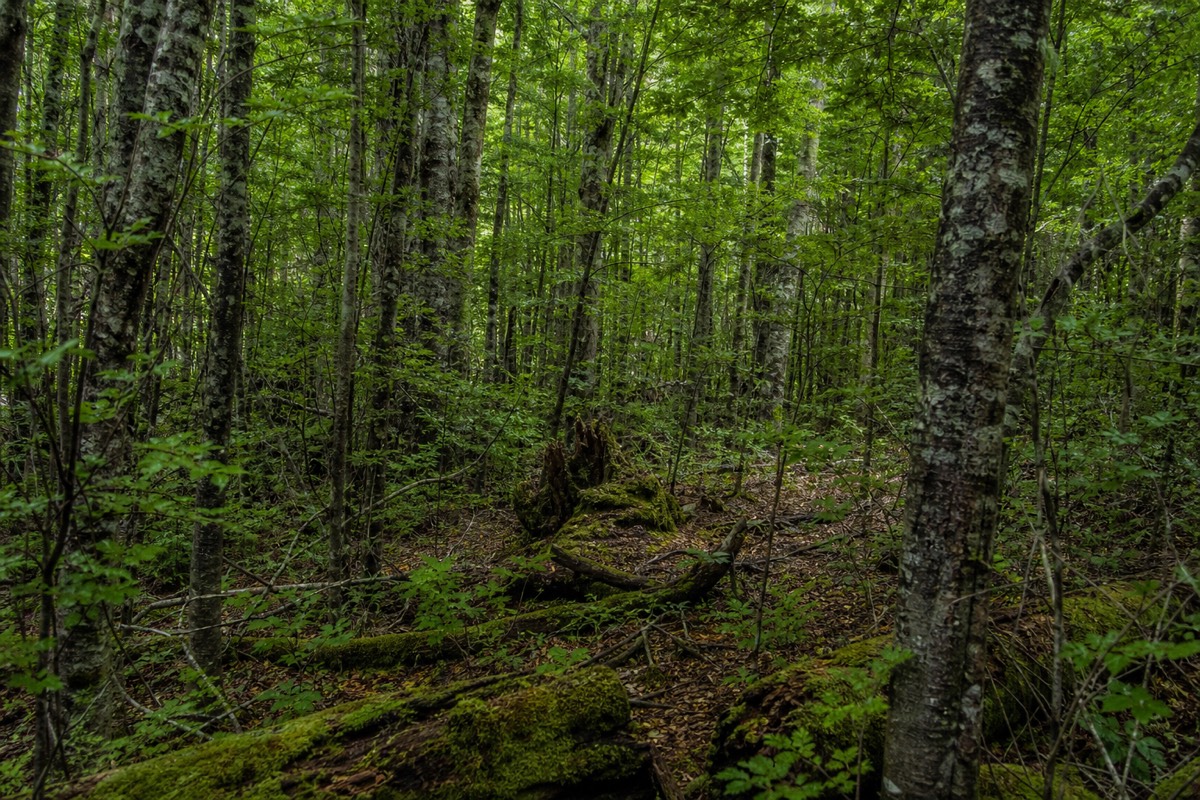
The reason is written into the landscape. Three of the park's worst fires, in 1985, 2005 and 2011-12, were started by visitors, and the 2011-12 fire burned a large part of the eastern park. Lenga forest regenerates over decades. You will walk past standing dead trunks on the eastern approach and they are not scenery, they are the consequence. Nobody in the park treats this as bureaucratic.
In practice it means your cooking happens in a shelter, on a schedule, alongside other people, and not next to your tent at the hour you feel like eating. Plan meals that cook fast and once. Buy fuel in Puerto Natales because there is nowhere else. And if the cooking shelter is full and the weather is bad, the honest answer is that a refugio meal exists for exactly that evening: breakfasts published around $25, box lunches $20 to $50, dinners $35 to $70, with sources varying widely.
Water, toilets and showers at the campsites
The developed campsites in both concessionaire networks have toilets and showers, and the bigger refugio sites have hot water. Los Perros, out on the O Circuit back side, is the most basic in the network with cold showers and no wifi. What each specific site offers varies, so check the operator's own page for your sector.
Water on the trail is a different question from water at camp, and the park's own guidance is the sensible framing: stay on marked trails, pack out all rubbish, and treat the sites as the only serviced points on the route. There is nothing commercial between them. No shops, no fuel, no vending, and no fuel station anywhere inside the park boundary.
Hantavirus warnings apply across Patagonia, which is the reason behind the food storage rules and the standing advice not to sleep in disused buildings. It is rodent-borne, the risk is low, and the handling is undramatic: keep food sealed and off the ground, use the storage the site provides, and do not improvise a shelter out of an abandoned structure because the weather turned. The concessionaires publish their own site-by-site facilities at the Vértice Patagonia site and the Las Torres Patagonia site.
What do four nights actually cost, added up?
Own-tent camping with your own gear lands around $44 to $56 per person for four nights of pitches. Add rented tent and bag and it is about $236. Equipped camping is $120 to $200. Refugio dorms are $184 to $456. Park entry adds 48,500 CLP, around $51, on the multi-day pass. None of those figures include food.
Put food on top and the ranking holds but the gaps narrow. Self-catering means a stove, fuel and four days of supplies bought in Puerto Natales; eating in the refugios means published breakfasts around $25, box lunches $20 to $50 and dinners $35 to $70, or a full-board supplement often quoted around $100 a day. A camper who ends up buying half their meals on site has quietly given back a large share of the saving.
This is why the published all-in figure for a self-guided W runs anywhere between roughly $600 and $1,500 per person. The bottom of that range is a camper with their own gear, their own food and shoulder-season dates. The top is somebody in dorms on full board in January. Both are the same walk. A full budget breakdown sits in a full W Trek budget.
| Four nights inside the park | Beds or pitches | Gear cost | Total before food and park entry |
|---|---|---|---|
| Own tent, own gear | $44 to $56 | Nothing extra | $44 to $56 |
| Own tent, rented tent and bag | $44 to $56 | About $180 | About $224 to $236 |
| Equipped camping | $120 to $200 | Bag depending on operator | $120 to $200 |
| Refugio dorms | $184 to $456 | Nothing extra | $184 to $456 |
Recommended tours by season
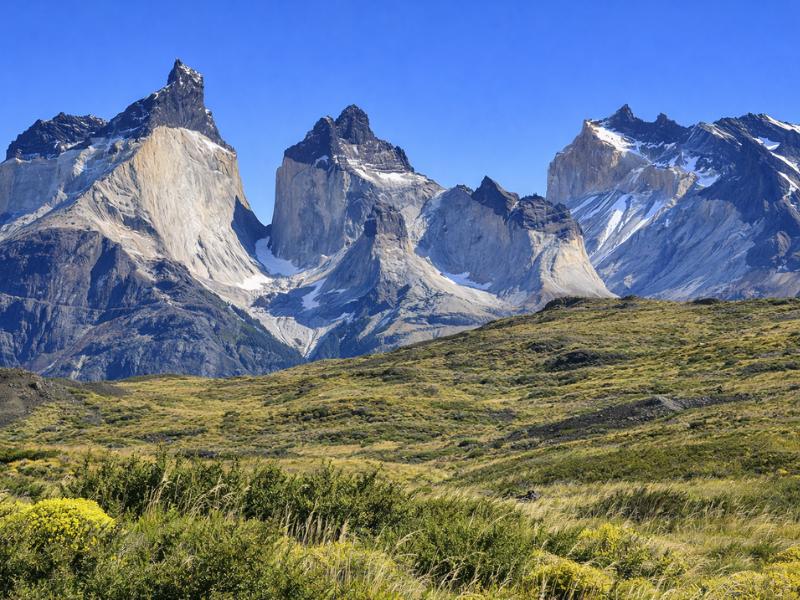
Torres del Paine Full-Day Adventure Tour from Puerto Natales
A single day in the park from Puerto Natales, with no campsite booking and no gear to rent. Fits the months when every pitch has to be reserved well ahead.
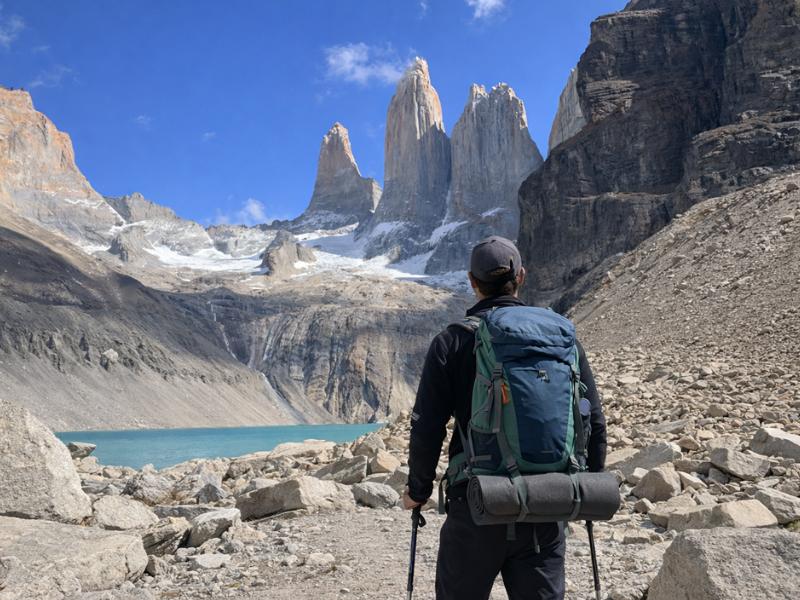
Torres del Paine 2-Day Express Tour – Aventura & Highlights
Base Torres on day one and an equipped tent at Pehoé that night, then the Condor and Cuernos viewpoints on day two. Transport, guiding and meals are included; the listing adds poles and crampons in winter.
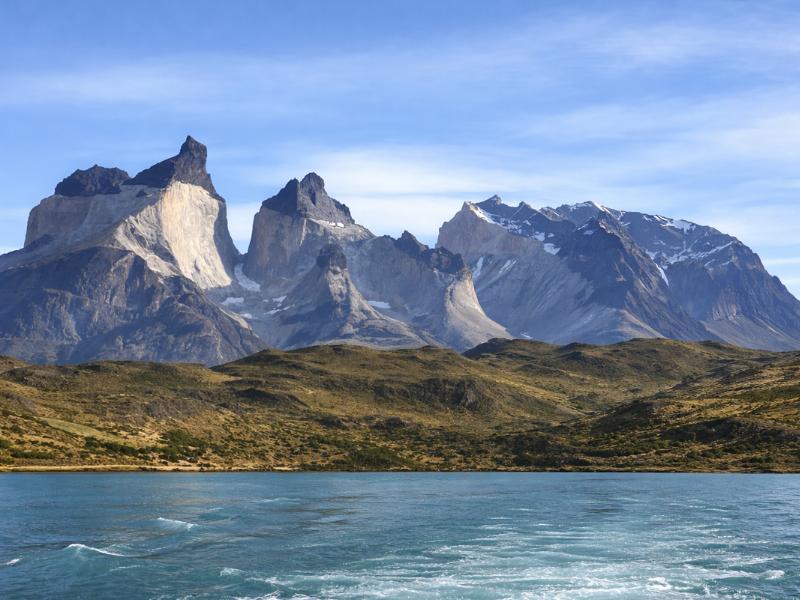
Torres del Paine W Trek Alternative 3-Day Guided Tour
Base Torres, the French Valley and the Grey Glacier viewpoint over three days, sleeping two nights at Camping Pehoé so full packs are not carried daily.
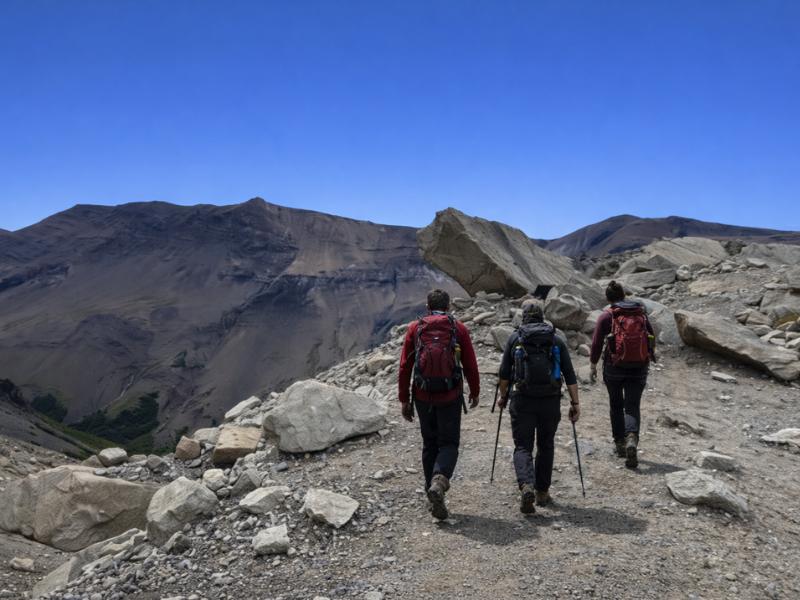
Torres del Paine Base Torres Trekking Day Trip from Puerto Natales
A guided walk of the Base Torres route from Puerto Natales, returning the same day. Fits the months when that trail requires an authorised guide.
Camping, a refugio bed, or a hotel base?
Camping wins on cost and loses on weight, weather exposure and comfort. Refugios win on weight and lose on cost. A Puerto Natales base wins on food, price and flexibility and loses two hours of driving a day. There is no single right answer, only a right answer for your trip shape.
The town base is the one most underrated by people planning a first Patagonia trip. Puerto Natales sits 112 km from the park, 1.5 to 2 hours by road, and holds real restaurants, supermarkets, gear rental and every tour departure. You leave by about 07:00 and you are back in the evening. For a traveller who wants the towers and the Cuernos and the glacier rather than four consecutive nights on a trail, it is cheaper and more comfortable than anything inside the boundary. The hotel options in and around the park, from Hotel Las Torres at published rates from about $820 a night half board down to the town's guesthouses, are compared in hotels near the park.
Camping inside the park earns its place when the route demands it. If you are walking the full W west to east, you have to sleep on the route, and the choice is only between pitch types. If you are doing day hikes, camping inside buys you almost nothing that a bed in town does not buy you more cheaply. The route itself is described in how the W Trek is walked.
| Criterion | Own-tent camping | Refugio dorm | Puerto Natales base |
|---|---|---|---|
| Cost per night | $11 to $14 plus gear | $46 to $114 | Town rates, plus $20 to $29 each way by bus |
| Pack weight | Heaviest | Light | Day pack only |
| Weather exposure | High, wind builds every afternoon | Low, indoors | None |
| Booking pressure | High, reserved months out | Highest, Chileno goes first | Low |
| Food | Carry it or buy on site | Buy on site or full board | Restaurants and supermarkets |
| Best for | Full W or O routes on a budget | Full W without the weight | Day hikes and mixed itineraries |
When camping here is the wrong call
Skip it if you are travelling in winter, if you are renting kit as a solo walker, if your dates are inside the booking window, or if the trip is a series of day hikes rather than a continuous route. In those four cases camping costs you more in money, weight or hassle than it saves.
Winter is the clearest case. The Las Torres season runs roughly 1 October to 25 April 2026, Vértice opens Paine Grande and Grey around 1 October and Dickson around 1 November, and outside those windows the sites are simply shut. On top of that, the Base Torres trail requires an authorised guide from 27 April to 30 August 2026, and the O Circuit back side is closed through the winter entirely. Snow at trail level is likely from June to August.
The solo-rental case is arithmetic. A tent at about $37 a day plus a bag at about $8 is roughly $45 a day for one person, set against equipped camping at $30 to $50 where the tent is already up and you carry nothing. Unless you are sharing the tent, renting to camp is a lot of work for no saving.
Where a guided trip fits, if the tent is the part you do not want
Three of our listings put you inside the park overnight without a single concessionaire booking, a rented tent or a stove. They are not the cheapest way to sleep in Torres del Paine, and they are not trying to be. They are the version where somebody else holds the reservations and pitches the tent.
The 2-day express tour walks the roughly 22 km Base Torres route on day one and sleeps in a fully equipped tent at Pehoé camping with dinner included, then covers the Condor viewpoint, the Cuernos viewpoint and the Aonikenk trail with its rock paintings on day two. Currently $620, rated 4.8 across 823 bookings on its listing, with transport, guiding, meals and trekking poles included.
The 3-day guided W Trek alternative covers Base Torres, the French Valley and the Grey Glacier viewpoint over three days with a local guide, sleeping two nights at Camping Pehoé on the lake shore so full packs are not carried daily. Currently $1,175, rated 5 across 320 bookings. The 5-day supported W Trek is the self-guided version with confirmed accommodation vouchers, full-board meals and the bus and catamaran transfers already booked, currently $1,905.
We sell nine trips into this park and none of them is a campsite reservation, so if you want an own-tent pitch you are booking it yourself with Vértice or Las Torres. If you would rather not, the guided Torres del Paine trips we sell is the shortcut, and the beds side of the same decision is worked through in refugio beds and the booking calendar.