Puerto Natales: Things to Do, Where to Stay and How to Reach the Park
Almost nobody plans a night here and almost everybody spends two, because the buses, the gear shops and every park departure start on this one waterfront.
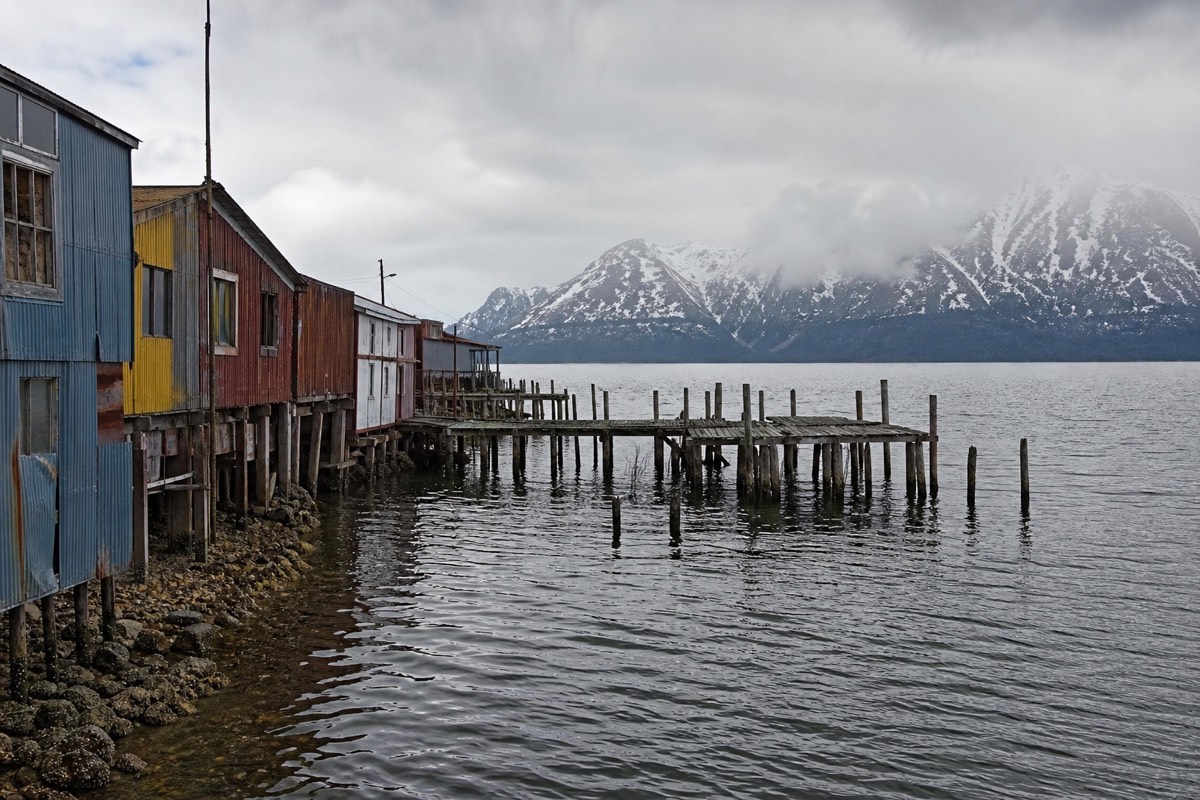
Every guided departure in this part of Patagonia starts on one waterfront, and almost all of them leave before 07:00. Puerto Natales is 112 km from the Torres del Paine gates, 250 km from the nearest major airport, and the only place for hundreds of kilometres with a supermarket, a bus terminal and a shop that will rent you a tent. Most people book one night here. Most people end up using two.
What a day out of Puerto Natales costs
Peso figures are converted at roughly 950 CLP to the dollar, which moves; check the live rate and the live listing before you budget.
Is it worth going to Puerto Natales?
Yes, and not only as a waiting room. It is the logistics base for the whole park: buses, gear rental, supermarkets, restaurants and every tour departure. It also has two genuine half-day attractions of its own, the Milodon Cave and the Balmaceda and Serrano glacier navigation, published from about $138. Two nights is the honest answer for most itineraries.
The town sits on the Última Esperanza fjord in Chile's Magallanes region, a working port turned trekking hub. The scale is small. You can walk the waterfront end to end in an easy morning, and the rental shops, the bus terminal and most of the lodging sit within a few blocks of each other. That compactness is the point: everything you need to fix before a park day is within walking distance of everything else.
Where the town earns its keep is on the days the massif does not cooperate. Park entry is date-locked and non-refundable, so a day lost to cloud is a day lost either way, and having a fjord sailing, a cave and a functioning town to fall back on is worth more than it sounds when frontal systems are crossing the range every few hours. The counter-argument is real too: if you only have a fixed two days in the region and the forecast is clean, spending one of them in town is an expensive way to see a harbour. Our short answer to that trade sits in the quick verdict on whether the town is worth it.
| Reason to be here | What it looks like in practice |
|---|---|
| Transport hub | Terminal Rodoviario buses to the park and to Punta Arenas, plus the El Calafate route |
| Gear rental | Tents published at about $37 a day, sleeping bags at about $8 a day |
| Food supply | Supermarkets and restaurants; there is nothing to buy inside the park |
| Half-day attractions | Milodon Cave natural monument; Balmaceda and Serrano navigation from about $138 |
| Weather buffer | Somewhere useful to be when the massif is buried |
| Fuel | The last fuel before the park, because there is none inside it |
Where exactly is Puerto Natales, and why does every park trip run through it?
It sits on the Última Esperanza fjord, 112 km from Torres del Paine and 250 km north of Punta Arenas, which has the region's year-round airport. Published road times to the park range from 1.5 to 3 hours depending on the source and the gate. Nothing else nearby has the infrastructure. Geography, not marketing, made it the base.
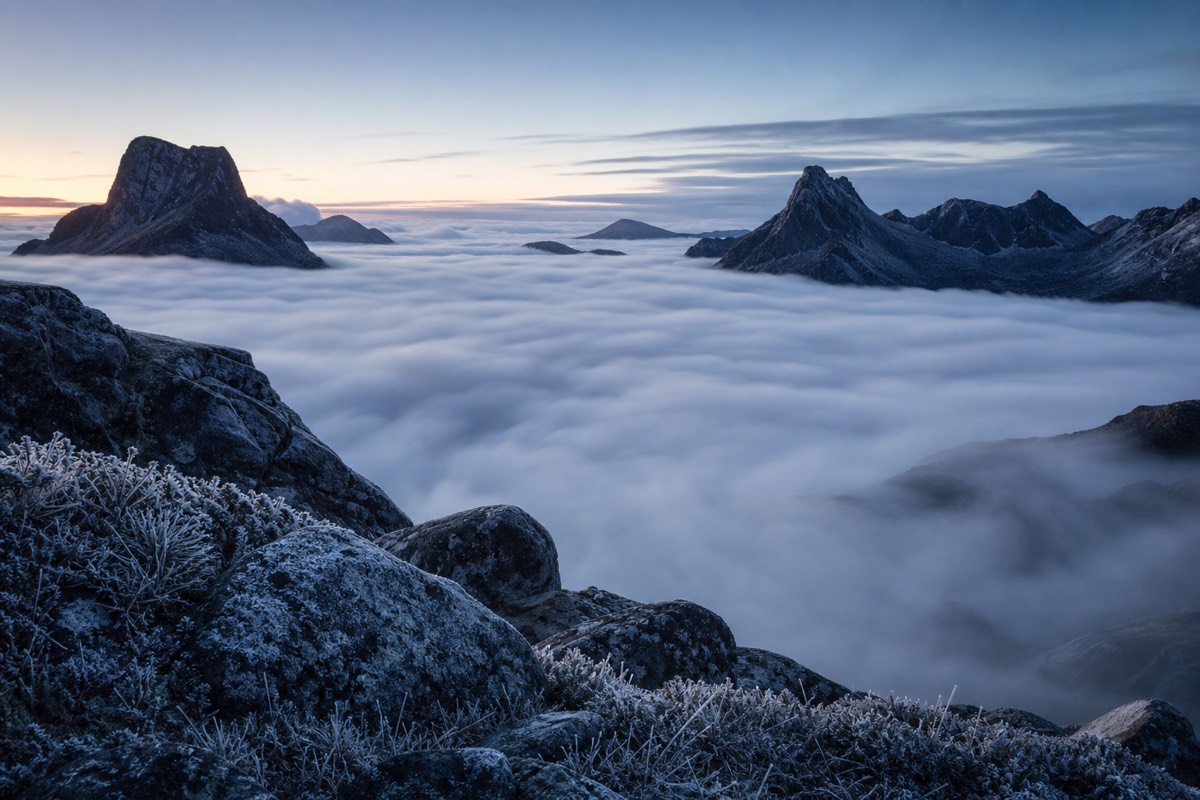
Puerto Natales is the closest town to a park that receives serious numbers: CONAF recorded 367,426 visitors in 2024, concentrated heavily in January and February. Those visitors need beds, buses and food, and the park itself has a limited fixed supply of all three, held by two concessionaires. Everything that does not fit inside the boundary ends up here.
The airport picture explains the rest. Punta Arenas (PUQ) runs year-round with LATAM and Sky, roughly 3h30m from Santiago, and fares are commonly published between $65 and $200 one way. Puerto Natales has its own airport (PNT), served by LATAM, Sky and JetSMART at about 3h20m from Santiago, but with far fewer frequencies and in practice mostly a summer operation. El Calafate (FTE) in Argentina covers the eastern approach. Which one you choose changes your first day substantially, and which airports actually serve the park works through the trade-offs.
| From | Distance | Published time | Published cost |
|---|---|---|---|
| Punta Arenas (PUQ) | 250 km | 3 to 4 hours by bus | $9 to $26 with Bus-Sur or Buses Fernández |
| Torres del Paine, Laguna Amarga gate | 112 km | 1.5 to 3 hours, sources differ | $20 to $29 one way |
| El Calafate, Argentina | Across the Cerro Castillo border | About 6 hours to the park, plus border time | Roughly $40 to $50 with Bus-Sur |
| Santiago to Punta Arenas | By air | About 3h30m | $65 to $200 one way, commonly published |
| Private transfer to the park | 112 km | As the road allows | Around $150; there is no Uber here |
What is the best way to get to Puerto Natales?
Fly to Punta Arenas and take a bus. It is the reliable version: PUQ operates year-round at about 3h30m from Santiago, and Bus-Sur and Buses Fernández run the 250 km north several times a day, including airport pickups, for $9 to $26 across 3 to 4 hours. Flying into Puerto Natales direct works in summer but has far fewer frequencies.
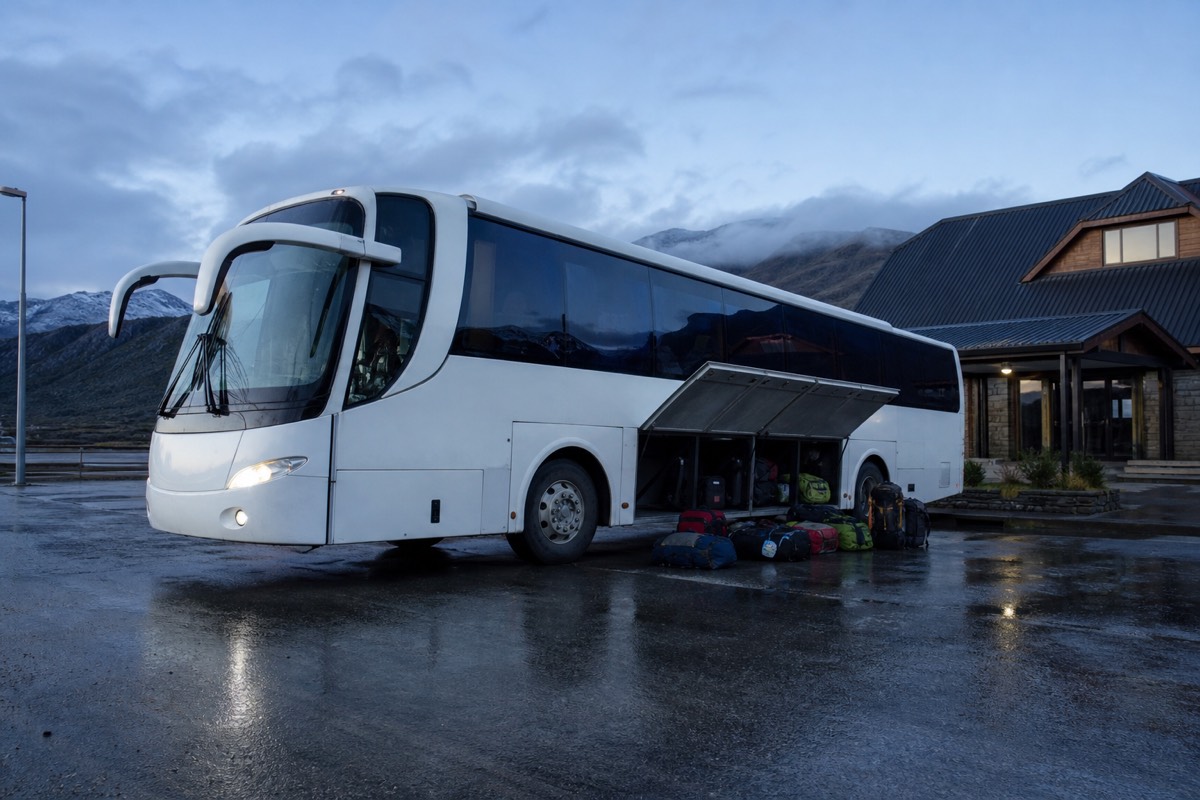
The bus is not a compromise. It leaves from the airport as well as the Punta Arenas terminal, the road is paved, and the fare is a rounding error against the flight. What it costs you is half a day, so an arrival flight landing late afternoon usually means sleeping in Punta Arenas and moving north in the morning. Building that into the plan rather than discovering it is the difference between a smooth first day and a scramble.
Coming from Argentina is the other common approach. Bus-Sur runs El Calafate to Puerto Natales for roughly $40 to $50, crossing at Cerro Castillo, and the whole El Calafate to park journey is published at about six hours plus whatever the border takes. There are no Uber-style services in Puerto Natales at all, so if you land outside bus hours the fallback is a private transfer at around $150. The overland details, including the food rules that catch people out, are in the crossing from El Calafate, and the wider picture is in getting to this corner of Patagonia.
What is there actually to do here on a rest day?
Two proper half-day trips and a town's worth of small stuff. The Balmaceda and Serrano glacier navigation runs on the fjord from about $138. The Milodon Cave is a natural monument a short drive out. Beyond those, it is the waterfront, the gear shops, the supermarkets and eating well for the first time in days. That is enough for one full day and comfortably enough for a weather day.
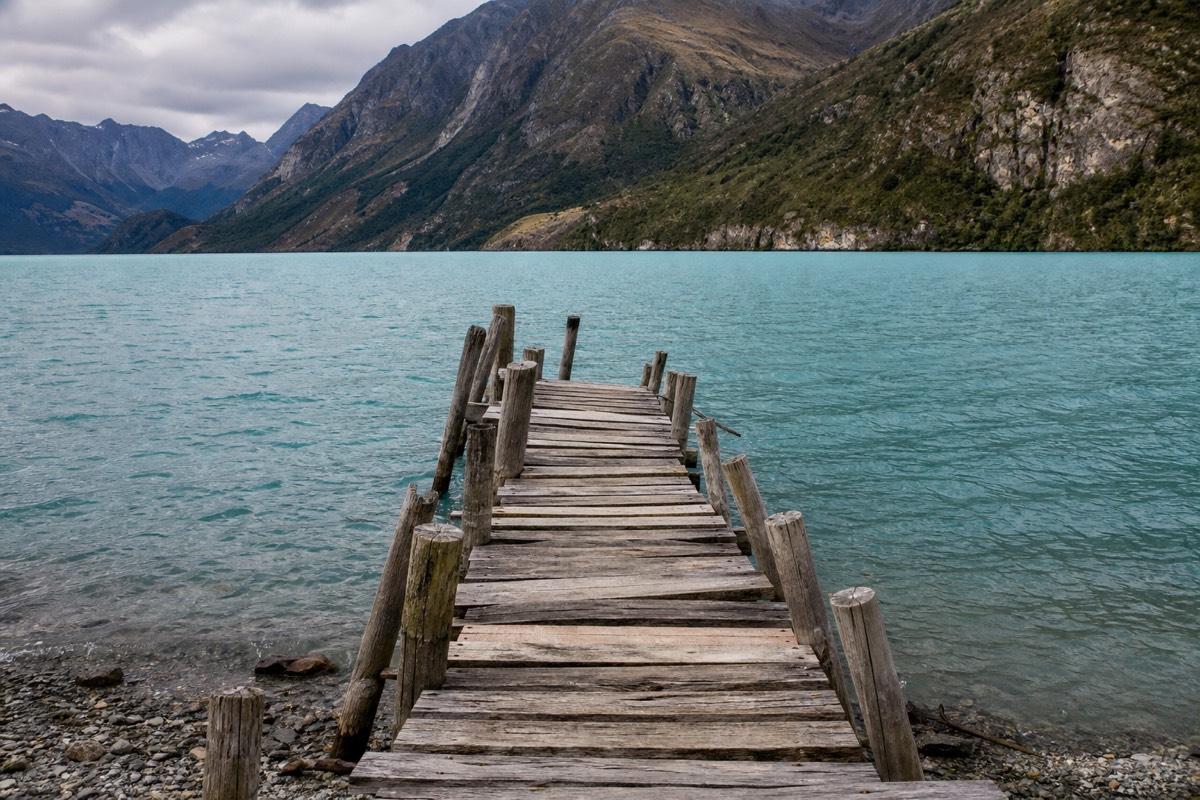
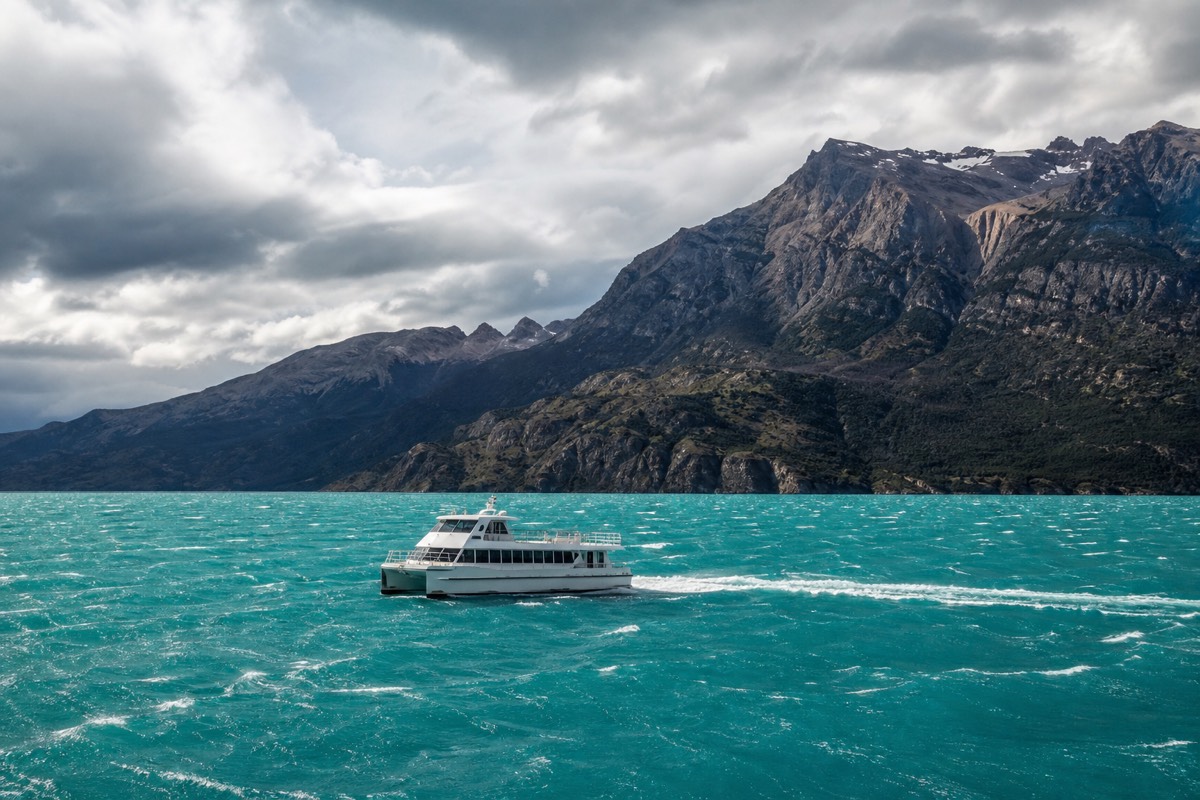
The sailing is the standout. It leaves from the Bories pier and runs about four hours on our own four-day itinerary, working up Última Esperanza toward the Balmaceda and Serrano glaciers, and it is the only way most visitors see this fjord at all. It is weather-dependent in the same way everything here is, so a rough forecast can move or cancel it.
The Milodon Cave is a different sort of stop: a large cave complex designated a natural monument, named for the giant ground sloth remains found there, and close enough to town that it slots into a half day or gets bolted onto a park tour. It appears on the route of our full-day park tour out of Puerto Natales, though the cave fee is not included in that ticket. Beyond those two, the town rewards low ambition: a slow lunch, a look at the fjord, an afternoon sorting gear.
| Rest-day option | Rough time needed | Published cost | Weather sensitive? |
|---|---|---|---|
| Balmaceda and Serrano navigation | Half day; about 4 hours on our four-day itinerary | From about $138 | Yes, wind moves and cancels sailings |
| Milodon Cave natural monument | Half day including the drive | Separate site fee, not included on tours | Barely |
| Waterfront and town | An easy morning on foot | Free | Only your comfort |
| Gear rental and resupply | An hour or two | Tent about $37 a day, bag about $8 a day | No |
| Full-day park tour from town | 8 to 10 hours, back 17:00 to 18:00 | From $139, park entry extra | Yes |
Where is the best place to stay in Puerto Natales?
Within walking distance of the Terminal Rodoviario and the waterfront. Every park bus leaves from the terminal, most guided departures collect from lodging in town between 06:30 and 07:00, and the gear shops and supermarkets sit in the same few blocks. Anything further out turns a 06:30 pickup into a logistical problem.
We do not publish town accommodation rates, and we are not going to invent a range for them. What we can say is what actually matters when choosing. First, confirm the property is inside the pickup radius your tour operator uses, because Puerto Natales pickups are door-to-door and a guesthouse on the outskirts may not be on the run. Second, ask whether breakfast can be served early or packed; a 06:30 departure beats most kitchens.
Third, and this one is money: bring your passport and the PDI tourist card that Chilean immigration issued when you entered the country, and present both at check-in. Foreign tourists paying in foreign currency are exempt from Chile's 19% IVA on accommodation. Paying in Chilean pesos generally forfeits it. On a multi-night stay that is a real saving for the price of keeping a slip of paper. If you are weighing a town bed against a night inside the boundary, the case for sleeping inside the park sets the two side by side.
Where do you rent gear, and what does it cost?
In town, from the rental shops clustered near the centre. Rental Natales publishes roughly $37 a day for a tent and about $8 a day for a sleeping bag. There is nothing to rent inside the park and nothing to buy, so whatever you walk in with is what you have. For a four-night W that is around $180 of tent and bag against buying either.
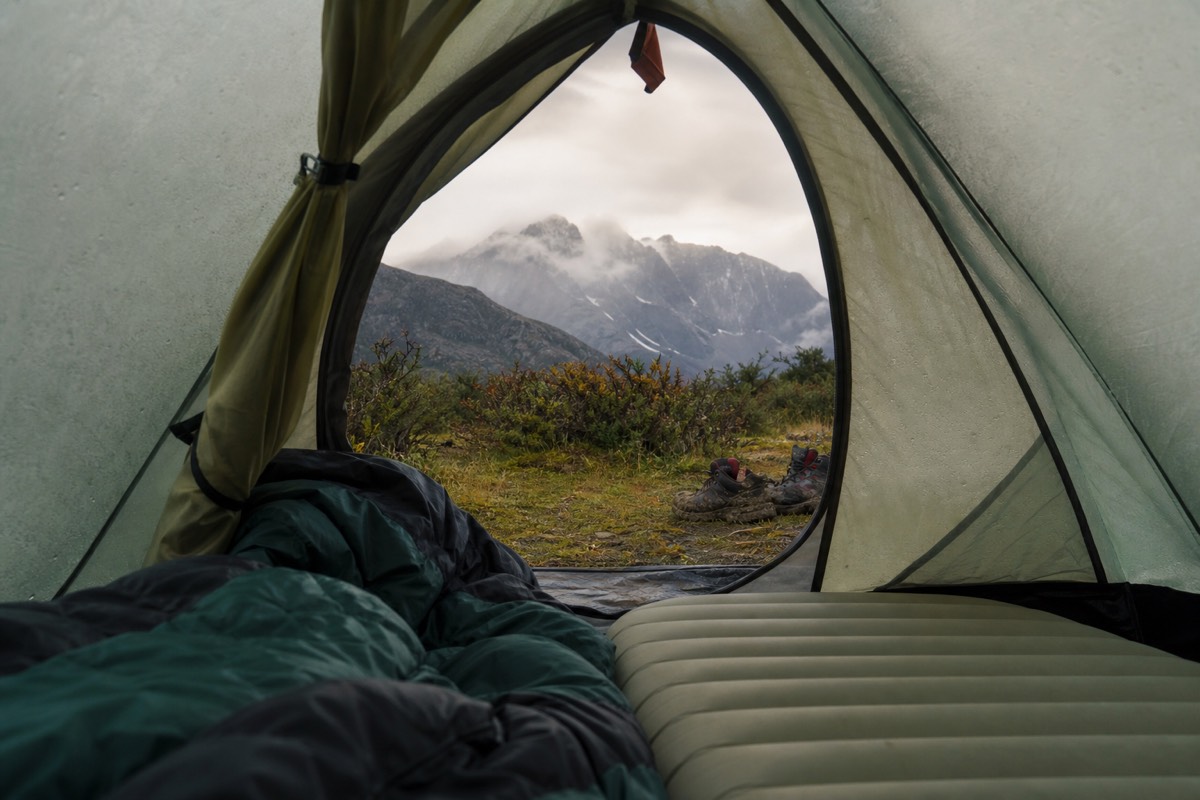
The economics favour renting for most visitors. A tent good enough for Patagonian wind is expensive to own and awkward to fly with, and a shop three blocks from the bus terminal will hand you one that has already survived a season here. Sleeping bags are the same argument at a tenth of the price. Where renting stops making sense is on long trips: at about $45 a day for both, three weeks of rental starts to look like a purchase.
The items nobody rents are the ones that matter most, and they are the ones our guided day treks exclude too. Personal mountain footwear, waterproofs and a headlamp are yours to bring. Guided departures here commonly supply trekking poles and crampons when there is ice, but never boots. Sort the rest against what to bring and what to rent before you arrive, because the choice is much narrower once you are standing in a shop at 19:00 the night before a 06:30 pickup.
| Item | Published rate | Rent or bring? |
|---|---|---|
| Tent | About $37 a day, Rental Natales | Rent unless you are here for weeks |
| Sleeping bag | About $8 a day, Rental Natales | Rent |
| Trekking poles | Supplied on our guided day treks | Neither, if you are on a guided departure |
| Crampons | Supplied on guided departures when there is ice or snow | Neither |
| Mountain boots | Not included on any of our tours | Bring, worn in |
| Headlamp and gaiters | Not included on the winter Base Torres trek | Bring |
How early do you have to leave for a park day?
Before 07:00, without exception. Public buses leave the Terminal Rodoviario at times commonly listed around 06:45, 07:00, 12:00 and 14:30, and guided departures collect from lodging between 06:30 and 07:00. The gates themselves open at 07:00 in high season and 08:00 in low season, so an 09:00 start has already lost the day.
Work the chain backwards and the reason becomes obvious. The road to Laguna Amarga takes between 1.5 and 3 hours depending on whose figure you use. From the gate, the shuttle to the Welcome Center covers 7 km for 4,000 to 4,500 CLP, cash only, and it meets the arriving buses rather than running to a clock of its own. Only then does any walking start. The Base Torres round trip from the Welcome Center is 21 km with 1,041 m of ascent and takes 8 to 10 hours, which is exactly why the guided version out of town runs 10 to 12 hours door to door and gets you back between 20:00 and 21:00.
The other fixed point is the Pudeto catamaran, with high-season departures commonly listed around 08:30, 10:30, 16:15 and 18:00, about 30 minutes across Lake Pehoé for roughly 26,000 CLP. Wind cancels it. Buy your park entry online at the official park ticketing portal before you leave town, because the payment totems at the gates exist mainly for private vehicles. The full timing picture is in the road from town to the park gate.
| Time | What is happening |
|---|---|
| 06:30 to 07:00 | Guided pickup from Puerto Natales lodging; public buses around 06:45 and 07:00 |
| 07:00 | Park gates open in high season, October to April |
| 08:30 to 10:00 | Arrival at Laguna Amarga after 1.5 to 3 hours on the road |
| Shortly after arrival | 7 km shuttle to the Welcome Center, 4,000 to 4,500 CLP, cash only |
| Through the day | Base Torres is 8 to 10 hours round trip; the full-day tour circuit runs 8 to 10 hours |
| 17:00 to 21:00 | Back in town, depending on which tour you took |
What does the weather do to a Puerto Natales itinerary?
Recommended tours by season
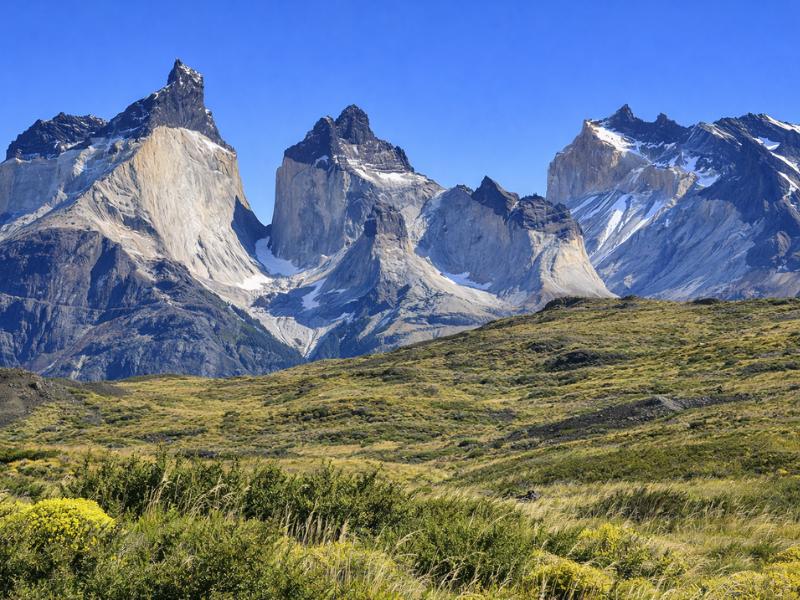
Torres del Paine Full-Day Adventure Tour from Puerto Natales
Summer days here run 15 to 17 hours, enough for this 8 to 10 hour guided circuit from Puerto Natales. Park entry is extra.
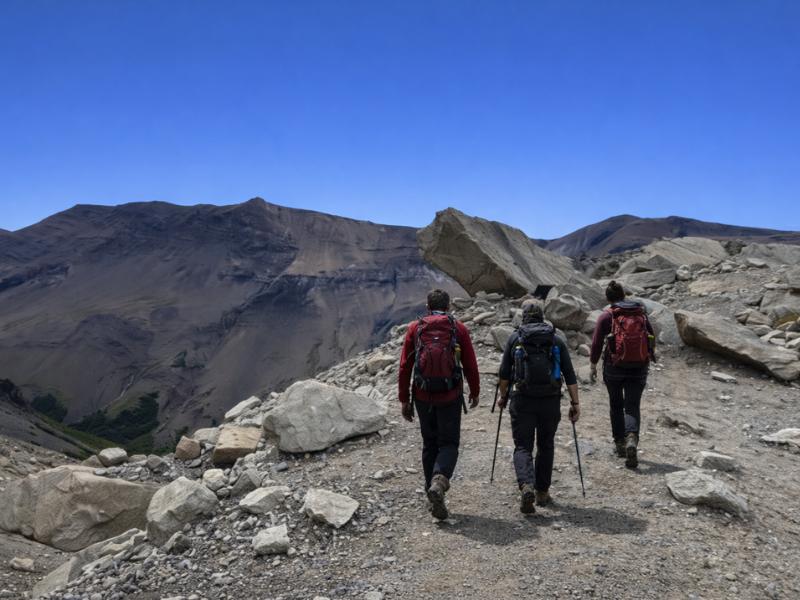
Torres del Paine Base Torres Trekking Day Trip from Puerto Natales
The year-round guided day trek to the towers, with crampons issued when there is ice or snow.
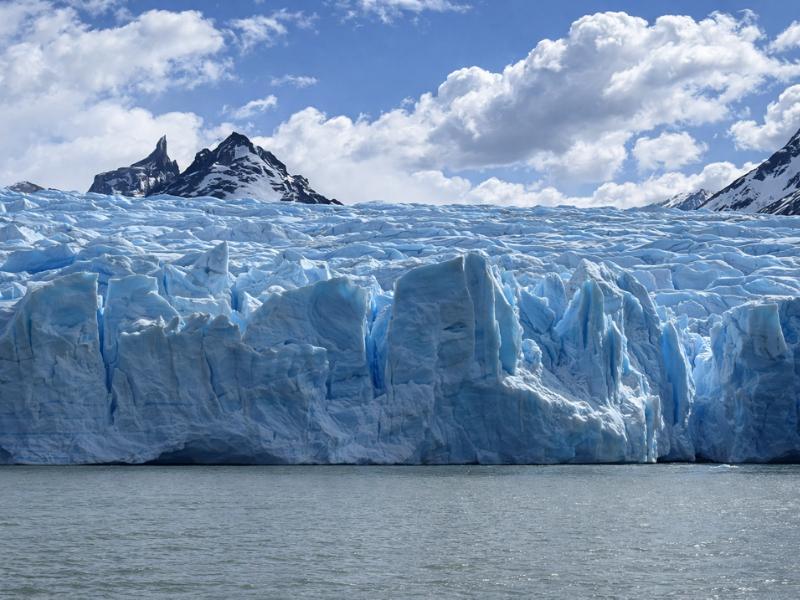
Torres del Paine: 3-Hour Grey Glacier Scenic Cruise
A three-hour scenic cruise to Grey Glacier.
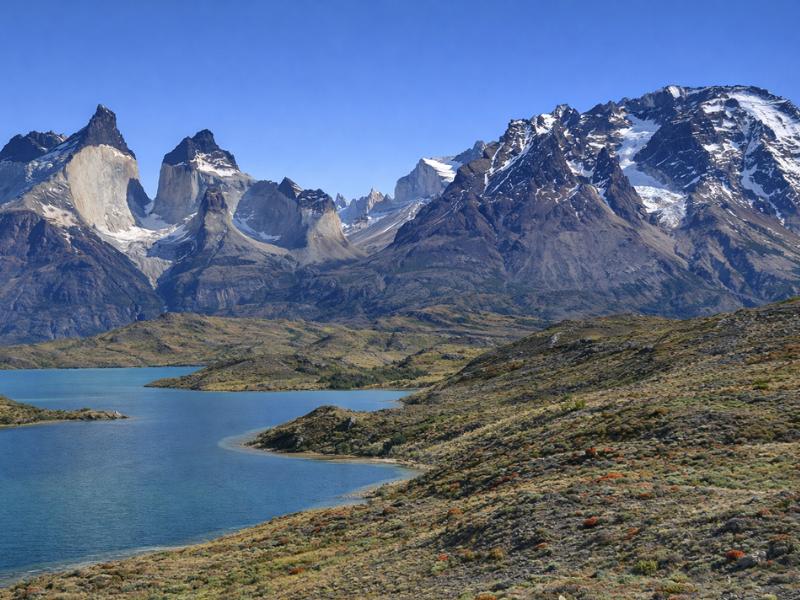
4-Day Torres del Paine Experience – Departing Puerto Natales
Starts and ends in Puerto Natales, with hotel nights in town, the Balmaceda and Serrano navigation, and park transfers and entry included.
It decides it. Average highs run 12.6 C in January down to 1.9 C in July. November is the windiest month at an average 37 kph and December the wettest at 155 mm. Wind builds through the afternoon almost every summer day, which is why sailings and catamarans are morning propositions. The park is windier and wetter than the town, so these are a regional baseline rather than trail readings.
Daylight is the other lever, and it swings hard. In late December Puerto Natales sees roughly 05:00 sunrise and 22:00 sunset, about 17 hours, which makes long days possible even after a slow start. In late June it is roughly 09:30 to 17:30 and the arithmetic of a park day stops working at all. That is before you account for the Base Torres trail requiring an authorised guide from 27 April to 30 August 2026.
Gusts recorded in the park have been reported up to about 193 kph by regional sources. Treat that as an extreme rather than a forecast. What people actually meet on a summer afternoon is 60 to 100 kph, which is still enough to knock you sideways on an exposed ridge and enough to cancel a boat. The month by month detail sits in the month by month weather picture, and the normals themselves come from the Puerto Natales climate record.
| Month | Avg high | Precipitation | Avg wind | Daylight |
|---|---|---|---|---|
| January | 12.6 C | 147 mm over 16 wet days | 32 kph | 16.5 h |
| February | 13.1 C | 120 mm over 13 wet days | 31 kph | 15.0 h |
| April | 8.4 C | 154 mm over 14 wet days | 29 kph | 11.0 h |
| July | 1.9 C | 104 mm over 12 wet days | 30 kph | 8.5 h |
| September | 5.4 C | 103 mm, the driest month | 32 kph | 12.0 h |
| November | 9.9 C | 154 mm over 15 wet days | 37 kph, the windiest | 15.5 h |
What should you sort out in town before the park?
Four things: your park entry ticket, your food, your gear, and your cash. Entry is 34,000 CLP for a foreign adult on one day or 48,500 CLP for the multi-day pass, bought online before you arrive. There is no shop and no fuel station inside the park, and the Laguna Amarga shuttle takes cash only. Everything else can wait; those four cannot.
The ticket is the one that ends trips. It is date-locked and non-refundable except when the park itself closes, and the payment totems at the Serrano and Laguna Amarga entrances are aimed at private-vehicle visitors, so turning up on a bus without a QR code is not a plan. CONAF applied a 4.9% inflation adjustment for January to April 2026 and postponed a new tariff structure to 1 May 2026, so check the live number rather than one you saw last season. We set out the whole fee structure in buying park entry before you travel.
Cash matters more here than in most of Chile. The 7 km shuttle from Laguna Amarga to the Welcome Center costs 4,000 to 4,500 CLP and does not take cards. Fuel is the same logic in a different form: fill up in town, because there is nowhere inside the boundary to do it, which is also why the four-day trip that starts and ends in Puerto Natales builds all its transfers and park fees into the price. For background on the country's entry formalities, Chile's official tourism board is the primary source.
How long should you actually spend in Puerto Natales?
Two nights for most people. One before the park to buy tickets, rent gear and sleep before an 06:30 pickup, and one after, because the guided Base Torres day gets back between 20:00 and 21:00 and nobody wants to make a connection on the back of that. A third night only earns its place as a weather buffer or for the fjord sailing.
The case for a third night is stronger than it looks in a region where a frontal system can close in for a day. If your park visit is a single booked day, one bad forecast erases the reason you came. A spare day in town converts that from a disaster into an inconvenience, and gives you somewhere to put the Balmaceda and Serrano sailing or the Milodon Cave if the weather does cooperate and you end up with time.
The case against a longer stay is equally honest. This is a small working port, not a destination in its own right, and after three days you will have seen it. If you have a spare week, spend it inside the park or on the Grey sector rather than on the waterfront; the four ways to see Grey Glacier is a better use of the time. And if you want the town days to carry their weight, book them around the departures already leaving from your door: the guided trips we list out of Puerto Natales all collect from local lodging, including the guided Base Torres day trek, which is the single biggest day most visitors do from here.