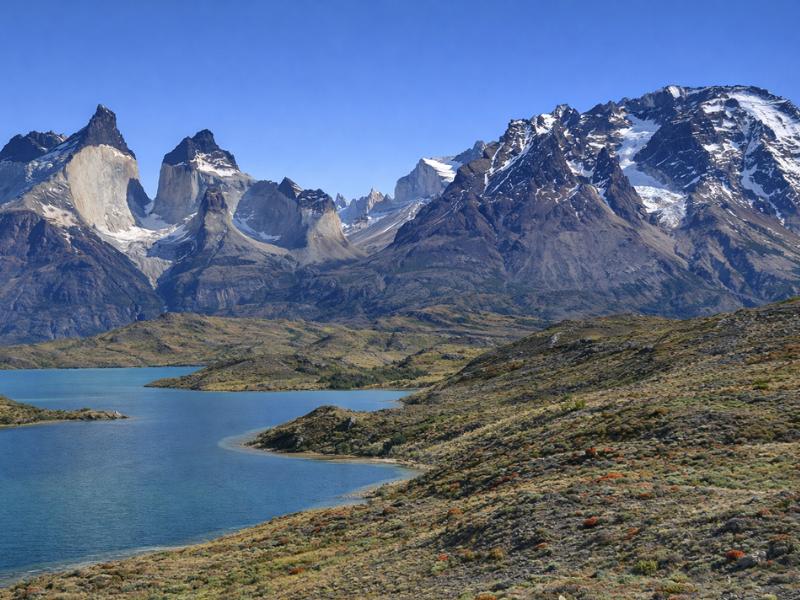
Is Torres del Paine Worth Visiting?
Yes for most people, but only once you have seen the cost stack, the travel time and the booking window written down in one place.
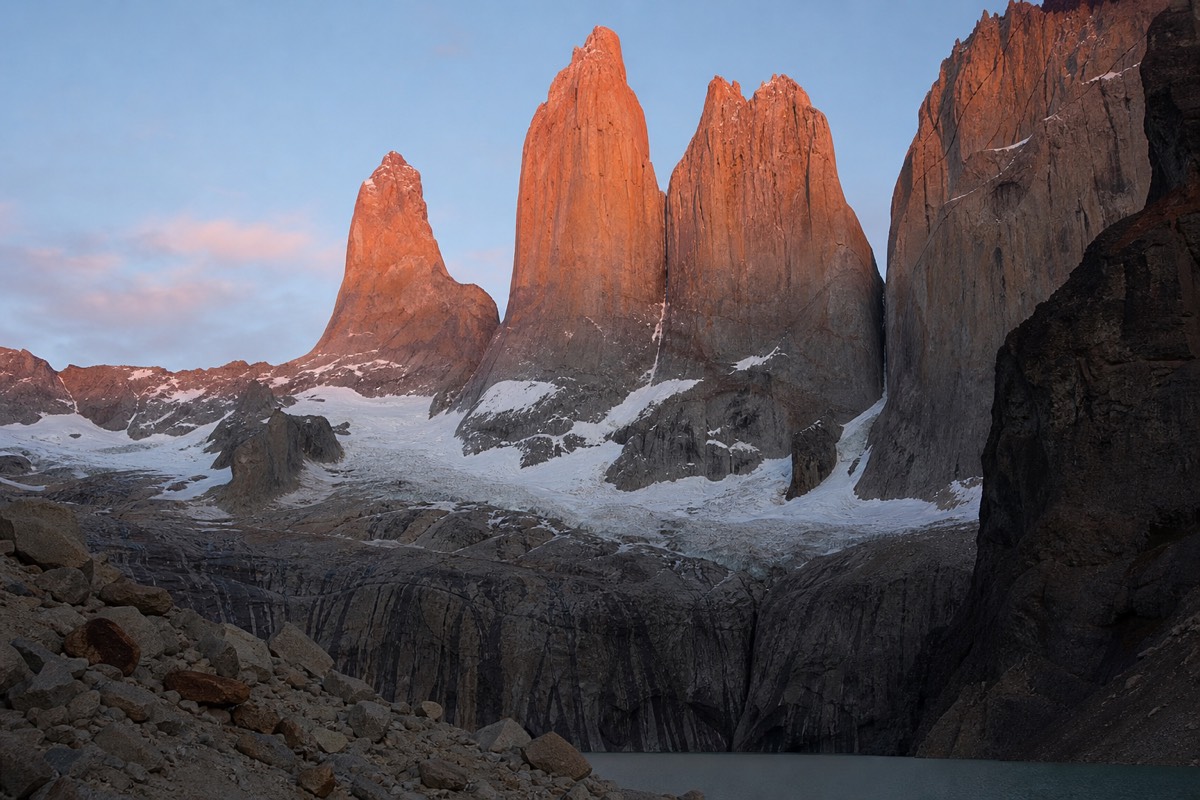
Yes, if you can absorb the distance and the cost. The park sits 112 km from the nearest town, charges 34,000 Chilean pesos a day for a foreign adult to walk in, and produces wind that pushes people sideways on open ground. What comes back is 227,298 hectares holding granite towers, a 28 km glacier and the densest puma population ever recorded. The real question is not whether Torres del Paine is beautiful. It is. The question is whether that survives contact with the logistics, and for most people it does, as long as nobody turns up expecting a park you can drop into for an afternoon.
367,426 people came in 2024. Almost every one of them travelled a long way to be there, and a good number spent more reaching the gate than on anything they did inside it. So here is the cost, the effort and the honest list of people who should spend their money somewhere else.
What does a trip to Torres del Paine actually cost?
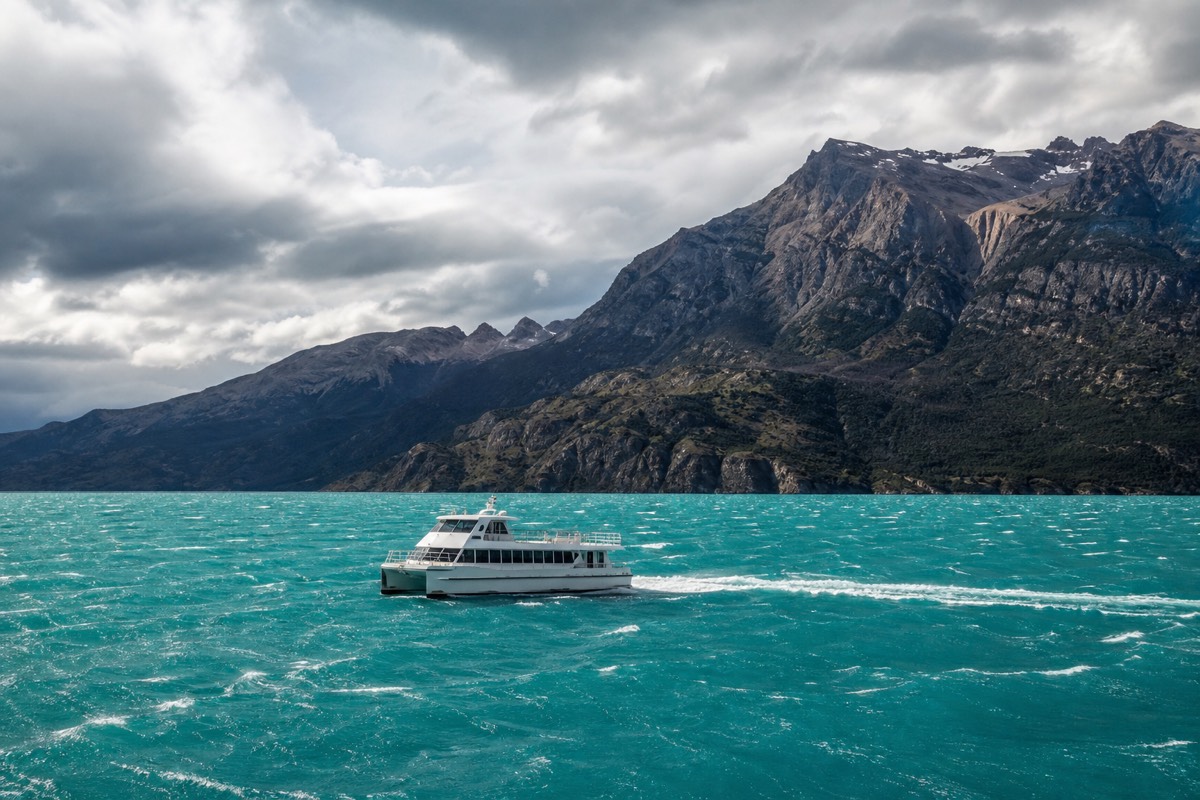
Around $36 for a one-day park ticket or $51 for the multi-day pass, $20 to $29 each way on the bus from Puerto Natales, roughly $45 for the catamaran if you cross Lake Pehoé, and 4,000 to 4,500 pesos in cash for the shuttle at Laguna Amarga. Flights from Santiago run $65 to $200 one way. No single line is large. Stacked, they are why people feel ambushed at the gate.
Tickets are bought in advance at the official park ticketing portal. They are date-locked and non-refundable unless the park itself closes, so a storm day that keeps you in town is money already spent. CONAF applied a 4.9% inflation adjustment for January to April 2026 and postponed its new differentiated tariff system to 1 May 2026, which is a polite way of saying these figures move. Our breakdown of park tickets and entry fees tracks the current numbers.
| What you pay before you walk a step | Published cost | Notes |
|---|---|---|
| Flight, Santiago to Punta Arenas | $65 to $200 one way | About 3h30m |
| Bus, Punta Arenas to Puerto Natales | $9 to $26 | 250 km, 3 to 4 hours |
| Bus, Puerto Natales to Laguna Amarga | $20 to $29 one way | 112 km, 2 to 3 hours |
| Park entry, foreign adult | 34,000 CLP one day, 48,500 CLP multi-day | About $36 and $51 |
| Laguna Amarga shuttle to the Welcome Center | 4,000 to 4,500 CLP | 7 km, cash only |
| Catamaran across Lake Pehoé | About 26,000 CLP, near $45 | 30 minutes, one way |
How far is Torres del Paine from anywhere else?
The park is 112 km from Puerto Natales, 2 to 3 hours by road, and Puerto Natales is another 250 km and 3 to 4 hours from Punta Arenas, the nearest city with year-round flights. Santiago to Punta Arenas is a 3h30m flight before any of that overland travel starts. Nobody arrives here by accident.
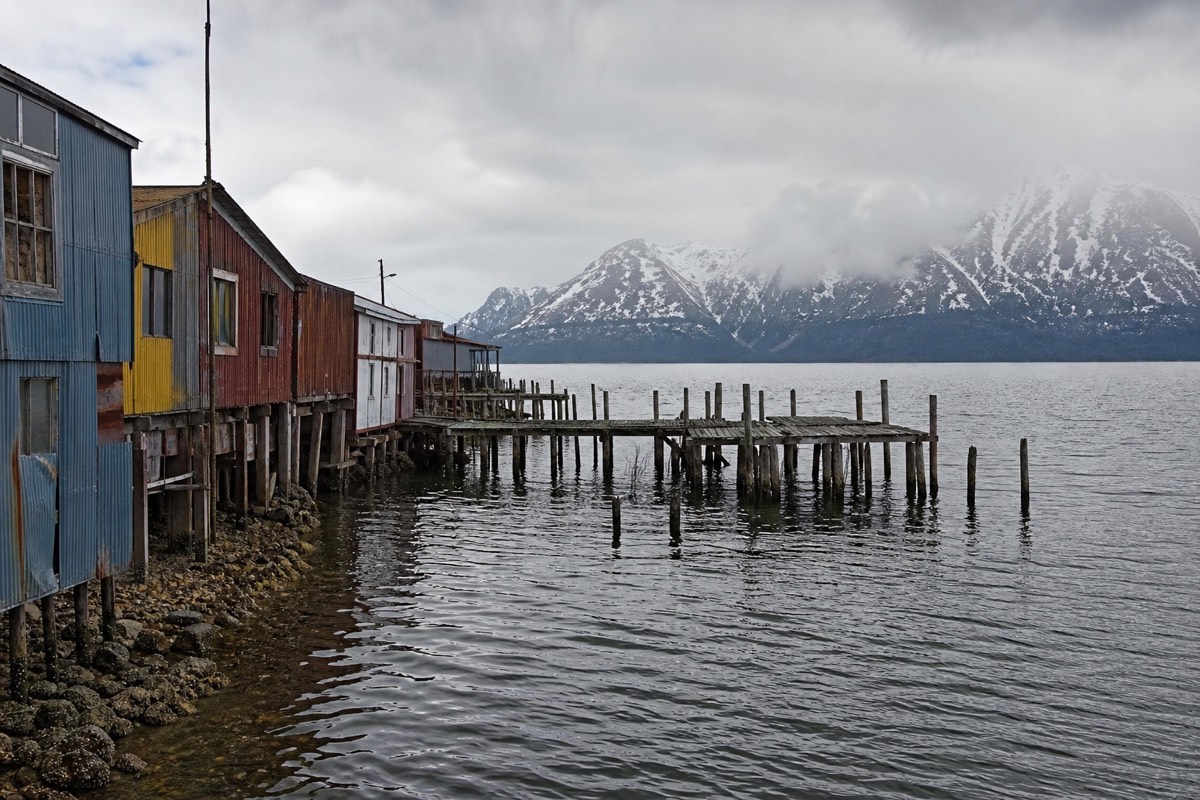
There is a small airport at Puerto Natales served by LATAM, Sky and JetSMART, about 3h20m from Santiago, but frequencies are thin and in practice it runs as a summer operation. Punta Arenas is the reliable way in. Once you are in Puerto Natales there is no Uber, private transfers run around $150, and the park buses leave the Terminal Rodoviario early, commonly around 06:45, 07:00, 12:00 and 14:30. If you drive yourself, expect a mix of paved highway and ripio gravel, and remember there are no fuel stations inside the park. The full route options into the park cover each approach, including the 6-hour crossing from El Calafate in Argentina.
How bad is the wind, honestly?
Bad enough to plan around rather than laugh off. Puerto Natales averages 37 kph in November, the windiest month, and gusts of 60 to 100 kph are what walkers meet on exposed ground through summer. Regional sources have reported gusts near 193 kph inside the park. Treat that as an extreme, not a forecast.
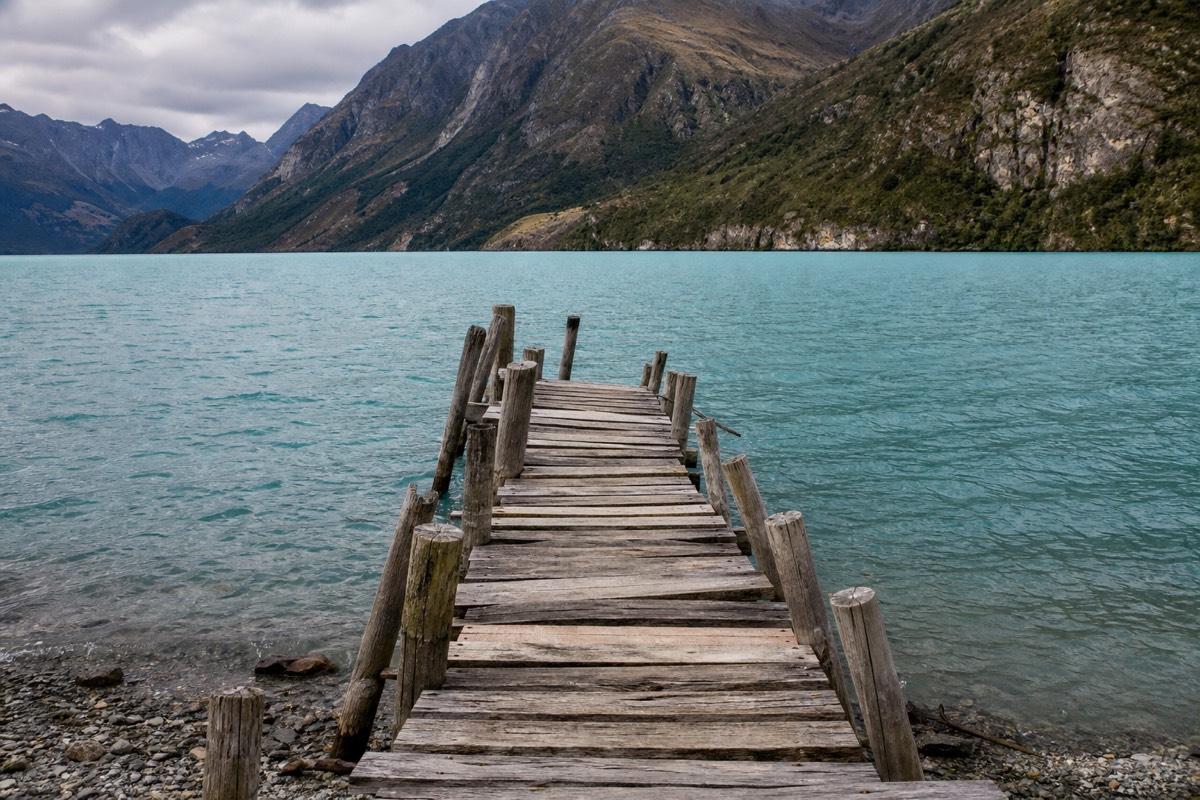
The pattern matters more than the peak. Wind almost always builds through the afternoon, which is why guided departures start at dawn and why the towers are usually attempted early. It cancels catamaran sailings and Grey Glacier cruises outright, so any itinerary depending on a boat needs a spare day behind it. The western side of the park is also far wetter than the eastern steppe, which is how the Grey sector can be in rain while Laguna Amarga stays dry. The climate normals behind those figures come from the Puerto Natales weather record, and our month by month weather guide turns them into decisions.
How far ahead do you have to book?
Further ahead than almost any other national park. The two concessionaires open the next season's calendar around April, Refugio Chileno sells out first every year, and park entry is a third, separate booking. For a December or January trek, reserving in April is not early. It is on time.
The three-system problem trips up more trips than the weather does. Beds and campsites in the Central, Chileno and Serón sectors are held by Las Torres Patagonia, while Paine Grande, Grey, Dickson and Los Perros belong to Vértice Patagonia, and neither of them sells you the park ticket. No free CONAF campsites are operating for the 2025-26 season, so budget plans built around free camping do not work any more. If you are arriving later than that booking window allows, a guided day tour from Puerto Natales or a package with the beds already held is the practical answer, and our itinerary planning guide lays out what fits into three, four or five days.
Who will not enjoy Torres del Paine?
Anyone with 48 hours and no flexibility, anyone who needs the view guaranteed, anyone who dislikes wind and rain enough to let it ruin a day, and anyone hoping for boardwalk access to the headline sights. The park rewards time, layers and a spare day. It punishes tight schedules.
Cloud sits on the towers regularly, and there is no refund for that. Getting to the classic viewpoints means walking, in some cases for eight hours. Accessibility is limited compared with, say, the boardwalked approach to Perito Moreno across the border in Argentina. And the cost stack above is real: a couple on a two-week South America trip can spend a meaningful slice of the budget on four days here. None of that makes the park a bad choice. It makes it a choice worth making deliberately.
Recommended tours by season
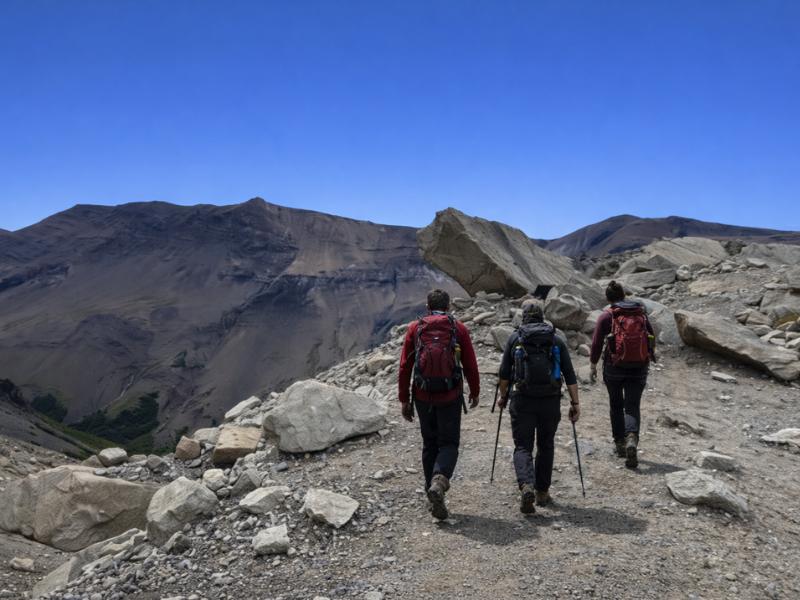
Torres del Paine Base Torres Trekking Day Trip from Puerto Natales
Guided day walk to the towers lookout from Puerto Natales. The Base Torres trail requires an authorised guide from 27 April to 30 August 2026.
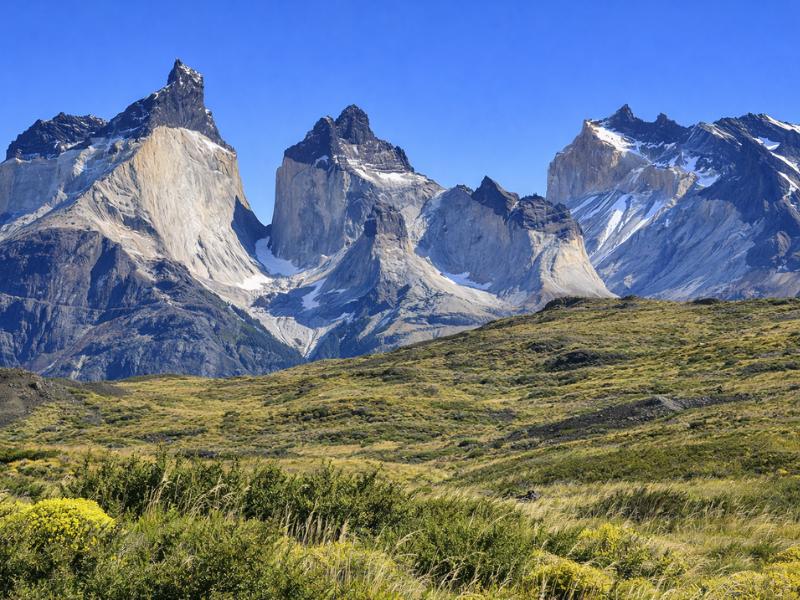
Torres del Paine Full-Day Adventure Tour from Puerto Natales
Guided 8 to 10 hour circuit from Puerto Natales, stopping at Sarmiento, Laguna Amarga, Salto Grande, the Nordenskjöld viewpoint and Lake Pehoé.
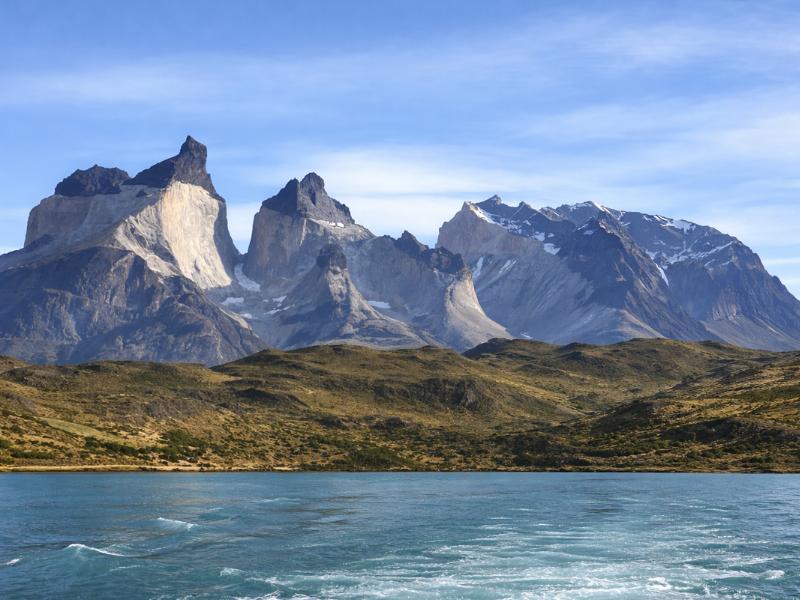
Torres del Paine W Trek Alternative 3-Day Guided Tour
Base Torres, Valle Francés and the Grey viewpoint over three days, sleeping in one place so a full pack is not carried each day.
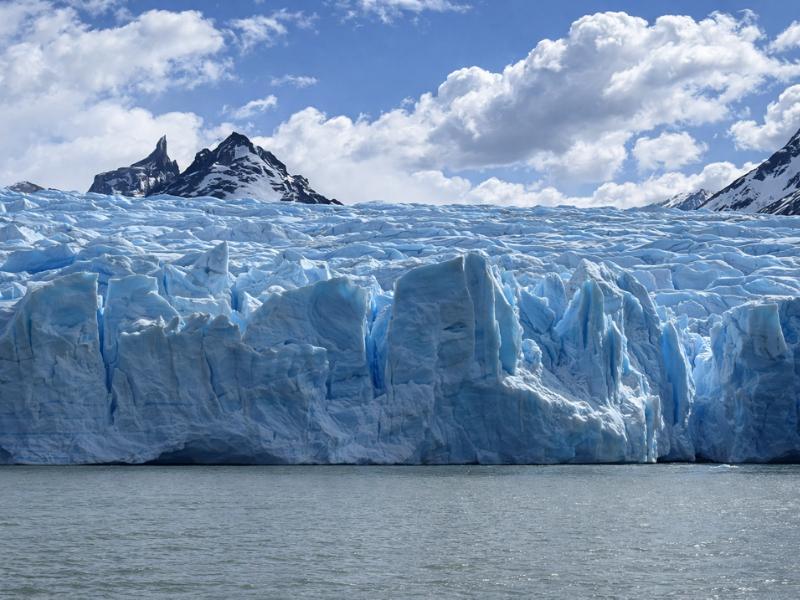
Torres del Paine: 3-Hour Grey Glacier Scenic Cruise
Three-hour boat trip on Lago Grey. Walking is not required. Sailings depend on weather, so the itinerary needs a spare day behind it.
| If this is you | What tends to happen | Better shape of trip |
|---|---|---|
| Two days, fixed flights | One weather day wipes out the trip | A single guided day from Puerto Natales |
| Not a walker | The famous viewpoints stay out of reach | Roadside viewpoints plus the Grey Glacier cruise |
| Booking six weeks out in December | Refugio beds already gone | A package that already holds the beds |
| Want the towers at dawn | Day trips reach the viewpoint late morning | A multi-day trip sleeping inside the park |
So what makes it worth the effort?
Density. In one 227,298 hectare park, established in 1959 and a UNESCO Biosphere Reserve since 1978, you get the three towers, the black-capped Cuernos, a 28 km glacier flowing off the Southern Patagonian Ice Field, guanaco herds on the steppe and the highest puma density ever recorded. Very few places put that much in one place, reachable on foot, in a week.
How you take it depends on the time you have. A guided full-day circuit from Puerto Natales runs 8 to 10 hours and covers Sarmiento, Laguna Amarga, Salto Grande, the Nordenskjöld viewpoint and Lake Pehoé, currently from $139, and its listing shows over 2,700 bookings. With three days, the 3-day guided W alternative puts you on the Base Torres trail, in the Valle Francés and at the Grey viewpoint while sleeping in one place, so full packs are not carried daily. With four, the 4-day Torres del Paine experience adds the Balmaceda and Serrano navigation and includes park entrance fees and hotel nights. All of them, and the rest of the guided trips we list into the park, exist because the logistics above are the hard part, not the walking.