Photographing Torres del Paine: Light, Wind and Where to Stand
In late December the sun clears the horizon around five in the morning and sets near ten at night. Both facts change how you plan a shoot.
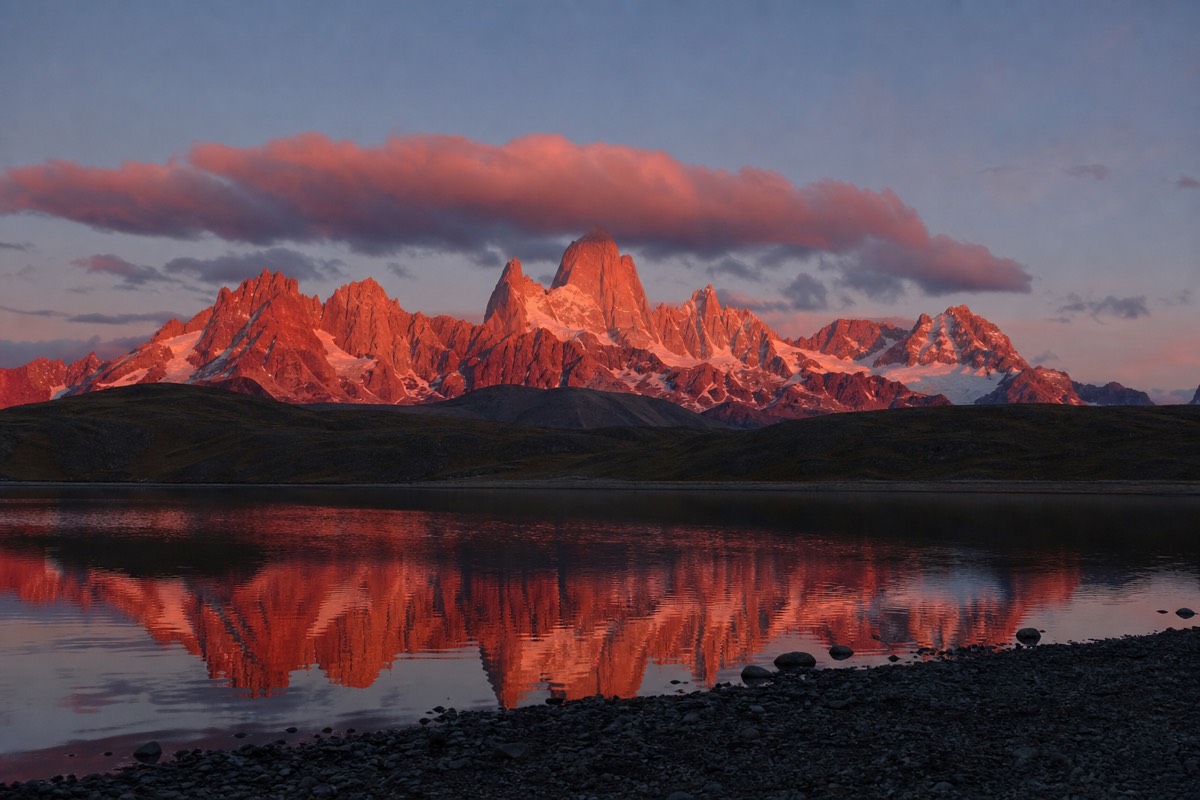
In late December the sun clears the horizon around 05:00 and does not set until close to 22:00. That is roughly 17 hours of daylight, two enormous golden windows, and a serious problem: the park gates do not open until 07:00. The best light of a Patagonian summer day happens before a day visitor can legally be inside the park.
Everything about photographing Torres del Paine runs into that kind of constraint. The towers face the sunrise and the Cuernos take the evening. The wind that makes the clouds interesting also takes your tripod over. The weather that ruins a morning frequently fixes itself inside half an hour. This guide is about working with all of it rather than hoping. Those same few landmarks are also what the park is actually famous for, which is no accident: the reputation and the photographs are the same thing.
Daylight hours, the months photographers ask about
Daylight figures are the Puerto Natales climate normals from 112 km away, so read them as a regional baseline rather than park readings.
Which way does the light hit the massif?
The three towers catch the sunrise, which is why every famous image of them is a dawn image taken from the lagoon at Mirador Las Torres. The Cuernos del Paine, seen across Lake Pehoé and Nordenskjöld, take the evening light and alpenglow. Those two facts sit at opposite ends of the day and at opposite ends of the park. You cannot shoot both properly in one twenty-four-hour period unless you sleep in the middle of the park.
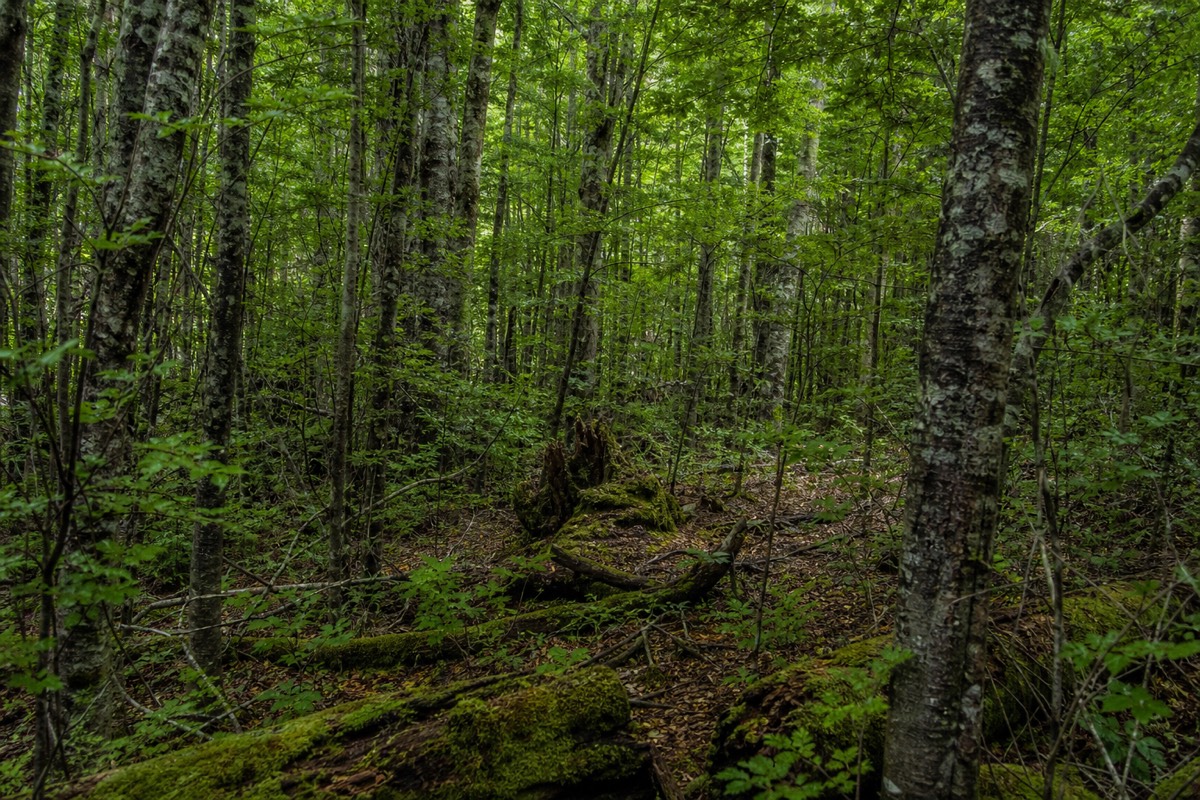
This is the single most useful thing to understand before you plan. The towers are up the Ascencio valley behind the Central sector on the eastern side, and reaching the lagoon beneath them is a 21 km round trip with 1,041 metres of ascent that takes 8 to 10 hours. Nobody walks that in the dark for fun; people sleeping at Chileno or Central start at three or four in the morning specifically to be at the top when the granite goes red.
The Cuernos are the opposite kind of subject. They are visible from the road, from Salto Grande, from the Pehoé shoreline and from the catamaran, and the good light comes to you. Which is why the realistic photographic itinerary for most visitors is evenings on the Cuernos and one committed dawn at the towers, rather than trying to force both.
Cloud is the third variable and it is not always the enemy. A completely clear dawn gives clean red granite and a boring sky. Broken cloud on the towers can produce the frame of the trip or hide the peaks entirely for three days running. Our month by month weather record sets out how often that happens.
What time is sunrise and sunset in Torres del Paine?
In late December the region sees roughly a 05:00 sunrise and a 22:00 sunset, giving about 17 hours of daylight. In late June it is roughly 09:30 to 17:30, around 8 hours. Those are Puerto Natales figures, 112 km from the park, so treat them as the regional baseline rather than park readings. Everything about start times follows from which end of that range you are visiting in.
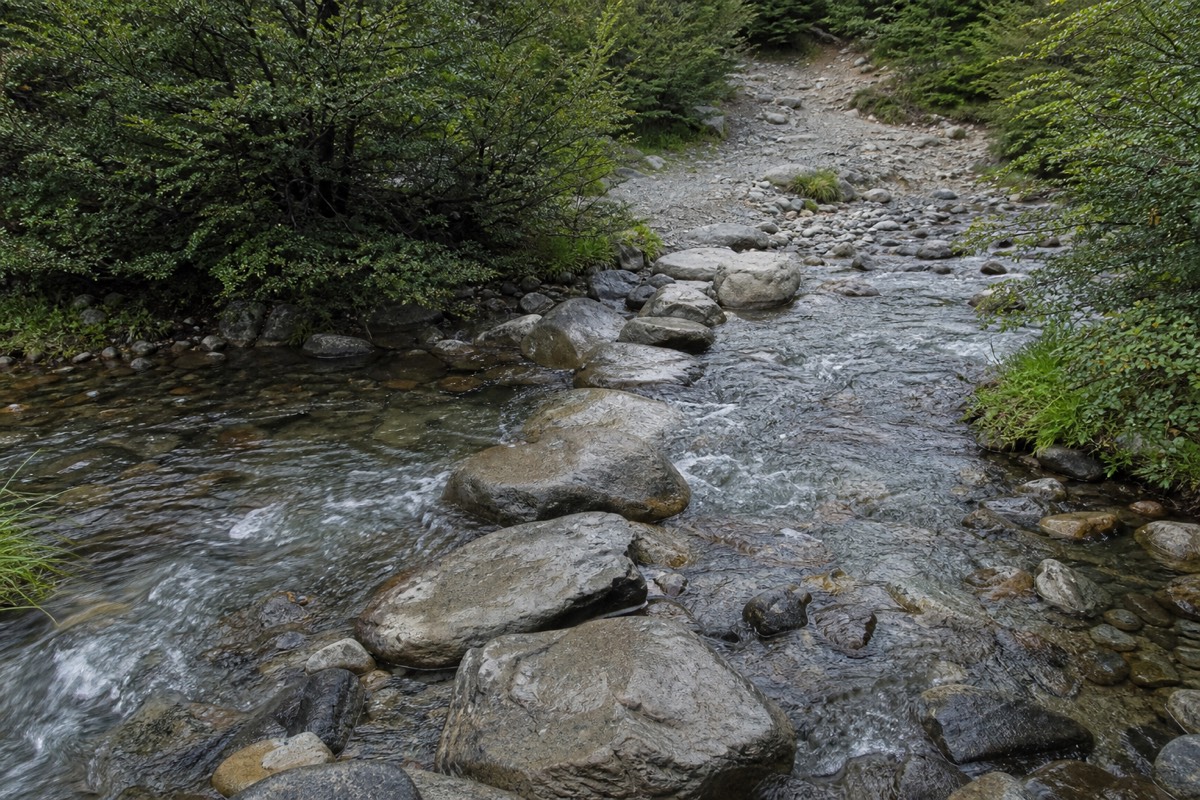
The practical consequence of a 17-hour December day is that dawn and dusk both fall outside normal touring hours. Gate hours run 07:00 to 21:00 in high season, October to April, and 08:00 to 18:30 in low season, May to September. In December a visitor based in Puerto Natales, two to three hours away by road, is not going to be photographing first light inside the park. In March, with 13 hours of daylight, the same person can be.
| Month | Daylight | What that means for a shoot |
|---|---|---|
| December | 17.0 h | Longest days, dawn light before the gates open |
| January | 16.5 h | Same problem, peak crowds |
| November | 15.5 h | Long light, windiest month of the year |
| February | 15.0 h | Long days, slightly calmer than November |
| October | 13.5 h | Gates at 07:00, dawn becomes reachable |
| March | 13.0 h | Best balance of light, wind and access |
| April | 11.0 h | Autumn colour in the beech forest, short days |
| May | 9.5 h | Calmest month, gates 08:00 to 18:30 |
| June and July | 8.0 to 8.5 h | Snow at trail level, guided access only on Base Torres |
| August | 10.0 h | Light returning, guide still required to 30 August |
| September | 12.0 h | Driest month of the year, few visitors |
March and October are the two months photographers keep coming back to. You still get enough light for two golden windows and a full day between them, the wind is off its November peak, and dawn lands at an hour that is reachable from outside the park. Our case for when to visit makes the same argument from a different direction.
What does a 05:00 sunrise actually mean for your morning?
If you want the towers lit at dawn in December, you are starting between 02:30 and 03:30 from a bed inside the park, not from Puerto Natales. The climb from the Welcome Center is 21 km round trip and 1,041 metres of ascent, and the final moraine section alone is 0.8 km, about 200 metres of climbing, and 45 minutes. There is no version of this that starts with a hotel breakfast in town.
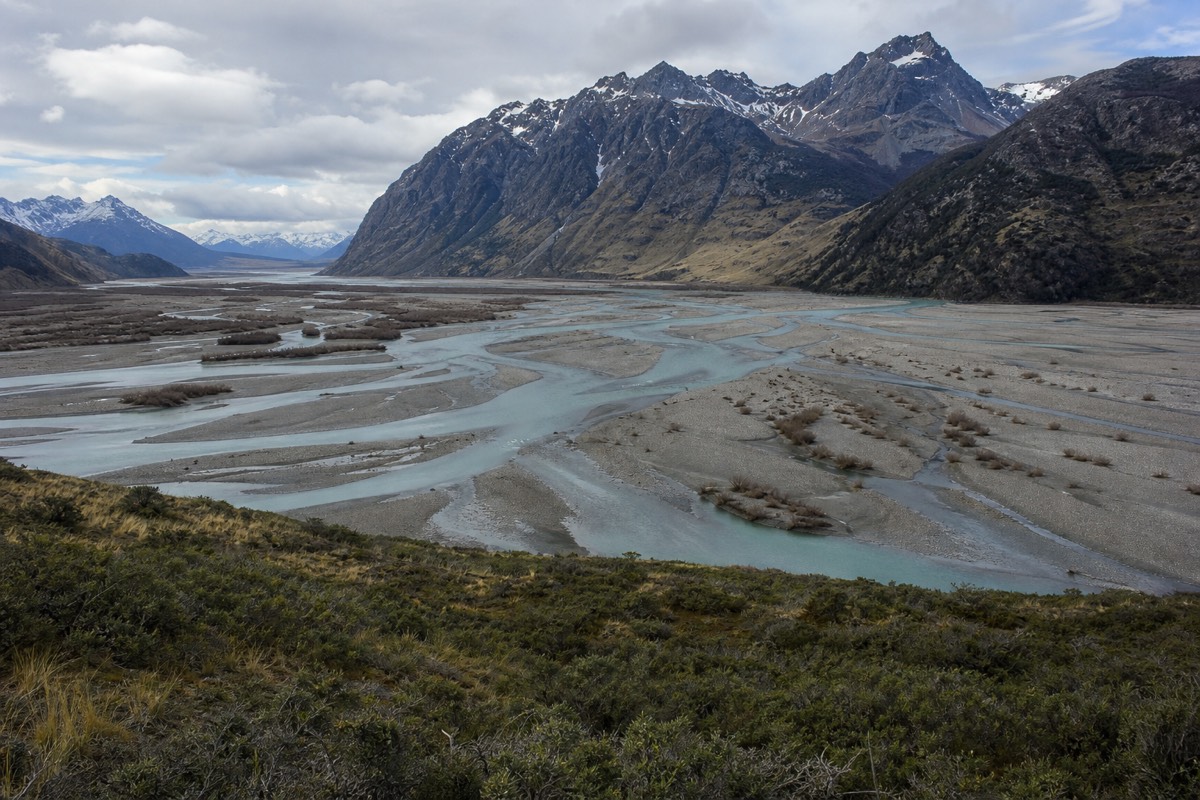
The arithmetic is unforgiving. A guided day hike from Puerto Natales picks up between 06:30 and 07:00, drives two hours to the Porteria Amarga sector, and gets back to town between 20:00 and 21:00. That is an excellent way to walk the trail and see the lagoon in daylight. It is not a way to be at the mirador at 05:00. For the dawn frame you need a bed at Chileno or in the Central sector, which is a separate booking with a separate concessionaire and, in the case of Chileno, the first thing that sells out every year.
| Time | What is happening | Note |
|---|---|---|
| 02:30 to 03:00 | Leave Central or Chileno, headtorch on | Only possible if you slept inside the park |
| 03:00 to 04:15 | Ascencio valley, forest walking in the dark | Trail is well used but the moraine is not |
| 04:15 to 05:00 | The moraine, 0.8 km and about 200 m of climbing | 45 minutes, the part everyone remembers |
| Around 05:00 | Sunrise on the granite, if the cloud allows | Late December figure, regional baseline |
| 05:00 to 06:00 | Light moves off the towers, lagoon reflections | Wind usually still low |
| 06:00 to 09:30 | Descend, 4 to 5 hours back to the Welcome Center | Total round trip 8 to 10 hours |
| Afternoon | Wind builds, flat light | Sleep, or reposition west for the evening |
If you are not doing the pre-dawn version, do the daylight version properly instead. The lagoon under the towers is worth the walk at any hour, and the guided Base Torres day trip from Puerto Natales removes the transport and navigation problem entirely. The trail itself, section by section, is in our walk-through of the Base Torres trail.
Where are the classic viewpoints, and what does each cost you in walking?
Most of the park's best-known compositions are short walks or roadside stops. Salto Grande is 1.5 km return with 20 metres of ascent. Mirador Cuernos is 4 km return. Mirador Condor is 3 km return with 200 metres of climbing. The Lago Grey beach is 2 km return. Only Mirador Las Torres demands a full day. That imbalance is good news for anyone carrying a heavy bag.
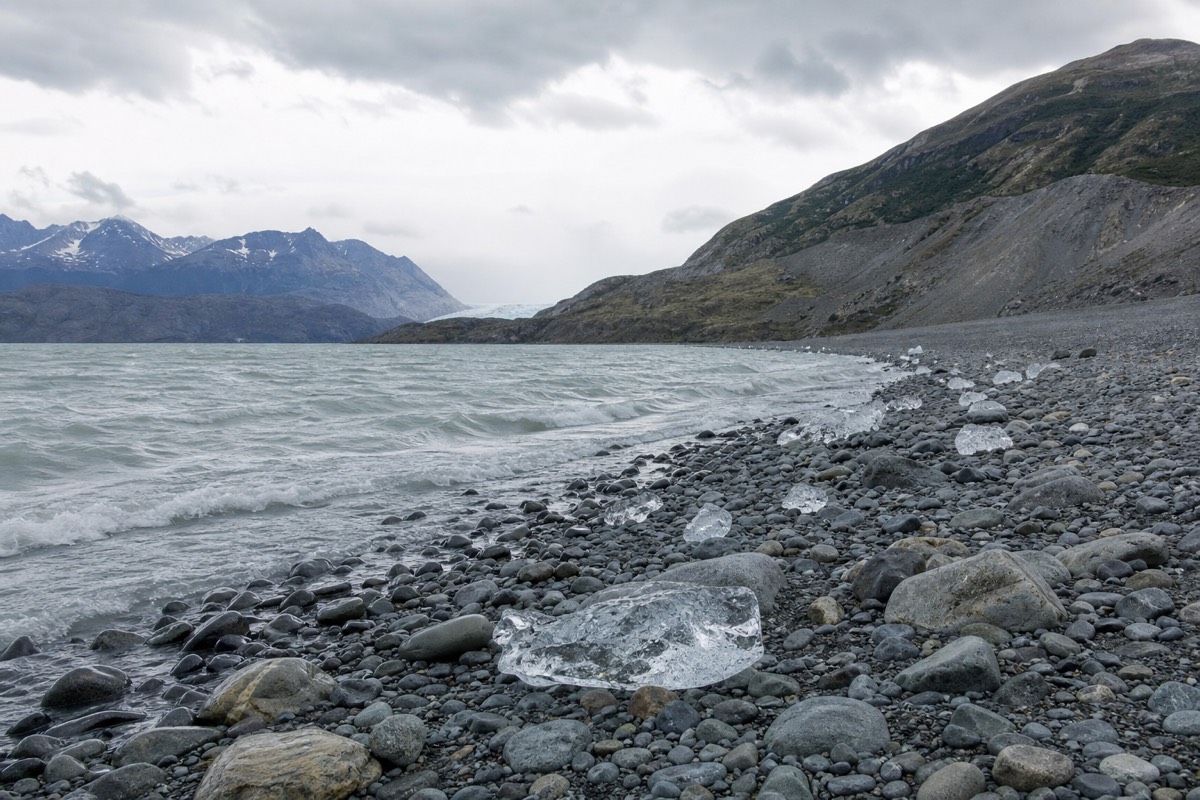
Lago Pehoé is the one that needs no walk at all. The shoreline and the road above it give the Cuernos across water, which is the second most photographed view in the park after the towers themselves. Laguna Azul, reached by a separate northern access road, gives a frontal view of the towers from the other side and sees a fraction of the traffic.
| Viewpoint | Return distance | Ascent | Time |
|---|---|---|---|
| Lago Pehoé shoreline | Roadside | None | Stop and shoot |
| Salto Grande from Pudeto | 1.5 km | 20 m | 30 minutes |
| Lago Grey beach from Guarderia Grey | 2 km | 50 m | 1 hour |
| Mirador Condor near Pudeto | 3 km | 200 m | 1.5 hours |
| Mirador Cuernos from Salto Grande | 4 km | 150 m | 1.5 hours |
| Ferrier lookout from Lago Grey | 4 km | 300 m | 2 hours |
| Laguna Azul area walk | 19.4 km | 470 m | 5 hours |
| Mirador Las Torres from the Welcome Center | 21 km | 1,041 m | 8 to 10 hours |
Mirador Condor deserves more attention than it gets. An hour and a half of walking puts you above Pudeto with the whole massif laid out and Lake Pehoé below, which makes it the best effort-to-frame ratio in the park and a genuinely good sunset position. It is also, as the name suggests, a reliable place to photograph condors on the thermals. Where each of these sits on the ground is easier to see on our map of the park's trails and sectors.
Recommended tours by season
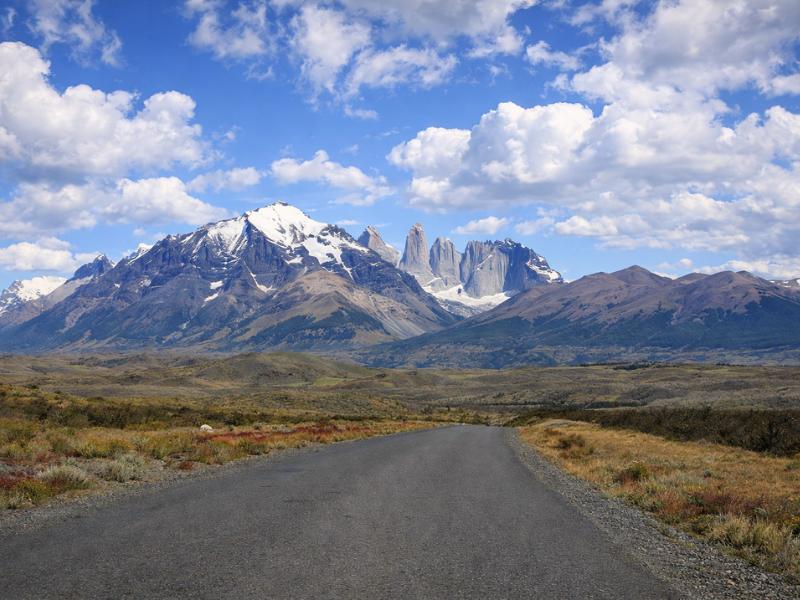
6-Day Self-Drive Torres del Paine National Park Adventure
For the long-day months, when dawn and dusk are the point. A category D rental, unlimited mileage and five nights of accommodation, so you choose the hours.
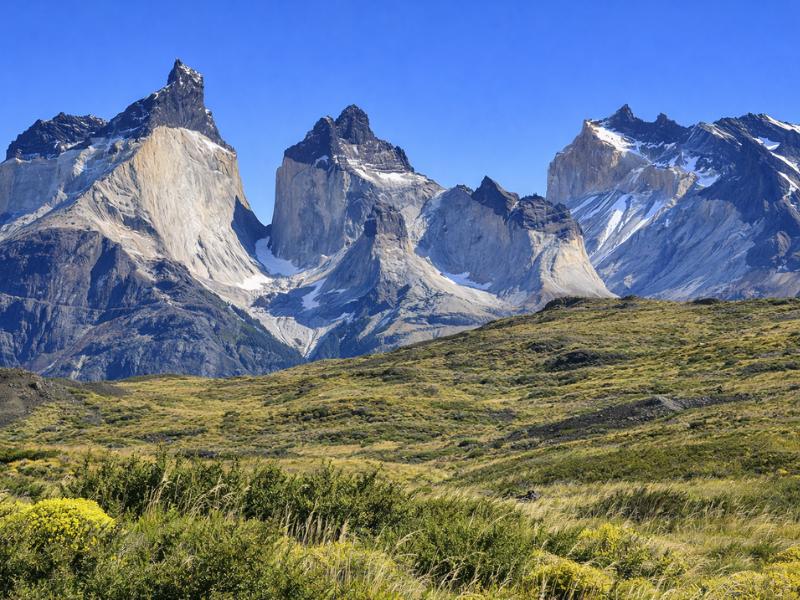
Torres del Paine Full-Day Adventure Tour from Puerto Natales
For March and October, when a 07:00 pickup can still reach useful light. Sarmiento, Laguna Amarga, Salto Grande, Nordenskjöld and Pehoé in one daylight circuit.
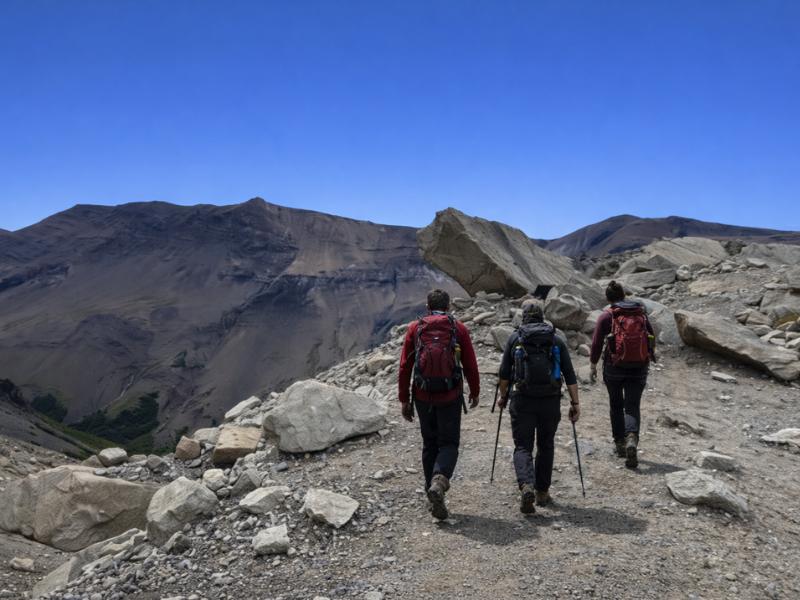
Torres del Paine Base Torres Trekking Day Trip from Puerto Natales
For the months when the towers trail is a guided route. The 21 km walk to the lagoon, run as a day trip from Puerto Natales.
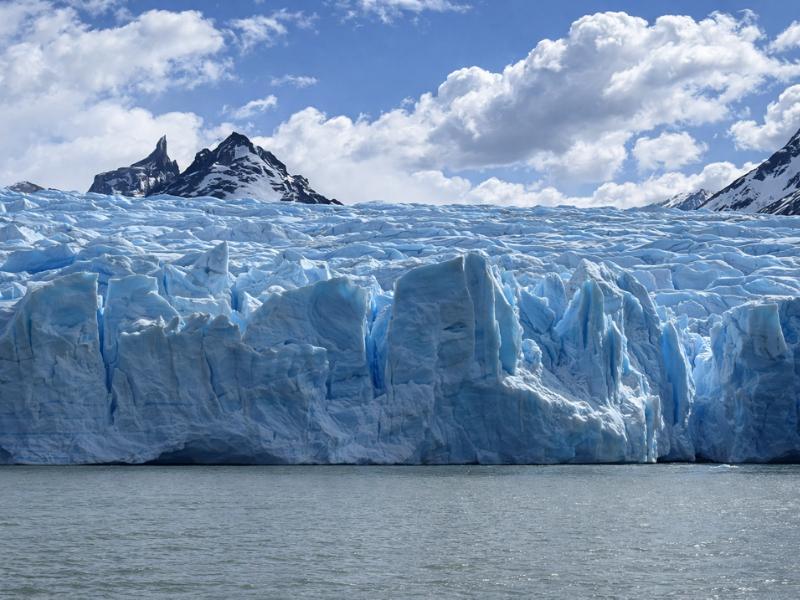
Torres del Paine: 3-Hour Grey Glacier Scenic Cruise
Any season the boats are sailing. Three hours on Lago Grey, with about an hour of scenery before the ice face.
Which viewpoint works at which time of day?
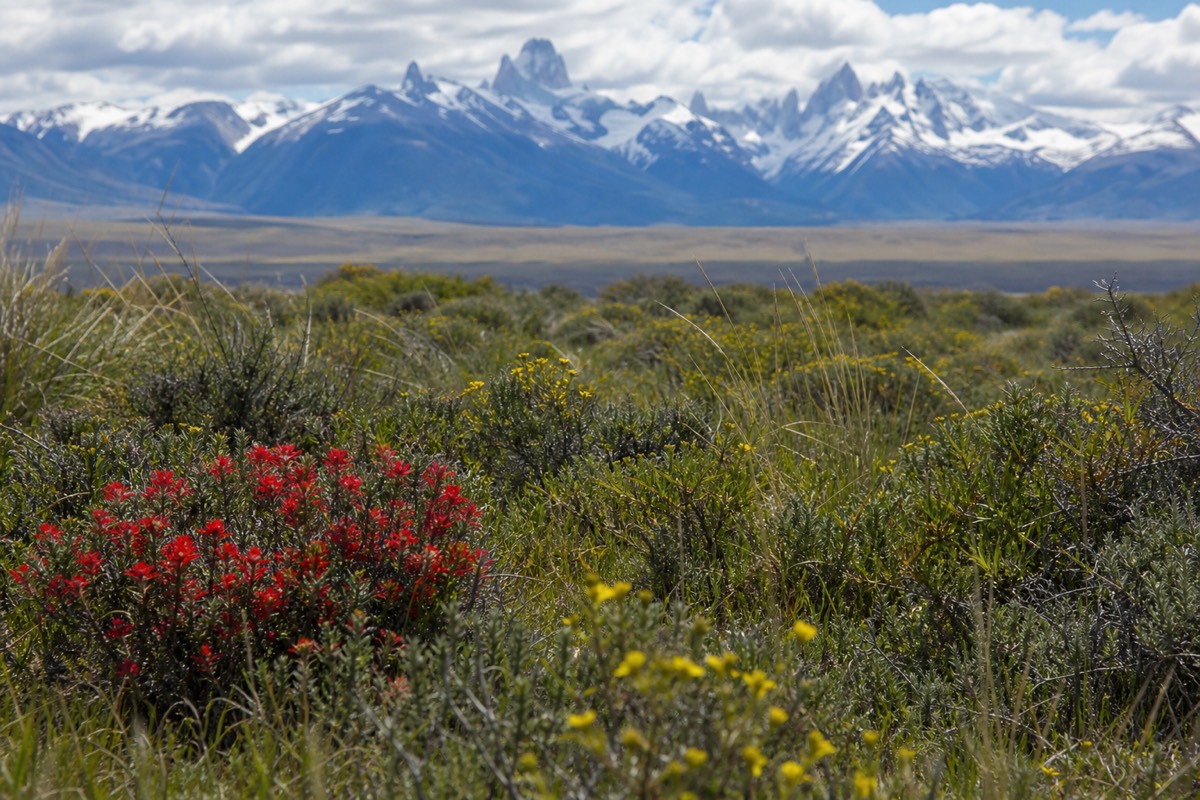
Dawn belongs to the eastern side: Mirador Las Torres, Laguna Azul and the Sarmiento steppe. Evening belongs to the centre and west: Pehoé, Salto Grande, Mirador Cuernos, Mirador Condor and the Grey beach. Midday belongs to nothing, which is when you drive, eat and reposition. Planning your days around that split is most of the work.
The reason is simply geometry. The towers face the rising sun, so at dawn they are lit and at dusk they are in shadow. The Cuernos, seen from the south and west across Pehoé and Nordenskjöld, take the last light on their granite and dark sedimentary caps, which is the alpenglow shot. Midday light comes from overhead, flattens the massif and blows out the lakes.
| Viewpoint | Best window | Subject | Fallback if the cloud sits down |
|---|---|---|---|
| Mirador Las Torres | Sunrise | Three towers over the lagoon | Reflections and moraine detail |
| Laguna Azul | Sunrise | Frontal view of the towers, few people | Shoreline and steppe |
| Lago Sarmiento shore | Sunrise | Massif over calcareous terraces | Guanaco herds |
| Lago Pehoé shoreline | Evening | Cuernos across turquoise water | Wind on the water, whitecaps |
| Salto Grande | Late afternoon | Waterfall with the Cuernos behind | Long exposure on the falls |
| Mirador Cuernos | Evening | Alpenglow on the horns | Lake Nordenskjöld shoreline |
| Mirador Condor | Evening | Whole massif above Pehoé | Condors on thermals in the afternoon |
| Lago Grey beach | Any hour | Icebergs grounded on the moraine | Ice detail up close |
What does Patagonian wind do to a tripod?
It takes it over. Average wind at the regional station runs 28.5 to 37 kph depending on the month, November being the windiest, and everyday summer gusts of 60 to 100 kph are what people actually meet in the park. Regional sources have reported gusts up to about 193 kph as an extreme. Rental agents warn about wind damage to car doors, which tells you the rest. A light travel tripod is not a tripod here.
Practical answers, in order of how much they help: hang your bag from the centre column, keep the legs short and wide rather than extended, stand upwind of the rig as a windbreak, and take the hood off a long lens because it acts as a sail. On the worst days, brace the camera on a rock or shoot handheld at a higher shutter speed and accept the noise. A blurred frame from vibration cannot be fixed later; a slightly noisy one can.
Wind almost always builds through the afternoon, which is another argument for the early and late split. It also decides whether the Grey Glacier cruise sails at all, since sailings are cancelled regularly in high wind. And it moves cloud fast, which is the one genuinely good thing about it: a socked-in massif can clear in twenty minutes.
| Month | Average wind | Precipitation | Wet days |
|---|---|---|---|
| November | 37 kph | 154 mm | 15 |
| December | 34 kph | 155 mm | 16 |
| October | 33 kph | 127 mm | 14 |
| January | 32 kph | 147 mm | 16 |
| September | 32 kph | 103 mm | 12 |
| February | 31 kph | 120 mm | 13 |
| March | 30 kph | 145 mm | 15 |
| April | 29 kph | 154 mm | 14 |
| May | 28.5 kph | 119 mm | 12 |
Those are Puerto Natales normals, and the park itself is windier and wetter than the town, so read them as a floor rather than a forecast. The full set of monthly figures, including temperatures, is published by the Puerto Natales climate record.
How do you work a weather window?
You wait. Frontal systems cross the massif fast enough that a view which is completely gone at 07:00 can be open at 07:20, and the reverse is equally true. The standing advice among people who shoot here is to give any position twenty minutes before you write it off. Four seasons in one day is a description of the meteorology, not a slogan.
The park also has an internal weather split you can exploit. The western side around Grey and Paine Grande is significantly wetter than the eastern steppe, which is why Laguna Amarga can be dry and bright while the glacier sector is under rain. If your morning is washed out in the west, driving east is a real strategy rather than a consolation.
Build slack into the trip. Two or three days in the park gives the weather a chance to hand you one good window; a single day is a coin flip you have flown a long way to toss. The awkward part is that park tickets are date-locked and non-refundable except when the park itself closes, so a weather day spent in Puerto Natales is a ticket paid for and not used. Buy them at the official park ticketing portal and read the fees and conditions in our breakdown of park entry costs.
Can you shoot from a moving boat?
Yes, and on Lago Grey it is the only way to photograph the glacier face, which stands around 30 metres above the water, with our own cruise listing describing it as over 25 metres. The three-hour sailing gives about an hour of scenery before the ice. Expect vibration, spray and a deck that is never still. Shutter speed solves most of it.
Practical approach on any of the boats: forget the tripod, raise the shutter speed well above what the light suggests, brace against a rail rather than resting the lens on it, and keep a cloth in a pocket because spray on the front element is constant. The vessel has an indoor cabin and an outdoor deck, and everything worth photographing is from the deck.
The Pudeto to Paine Grande catamaran across Lake Pehoé is a different opportunity: about 30 minutes, roughly 26,000 CLP or around $45 one way, with high-season departures commonly listed around 08:30, 10:30, 16:15 and 18:00. The 18:00 sailing in midsummer is a moving evening-light platform under the Cuernos. Timetables change every season and high wind cancels sailings, so confirm before you build a shot around one.
| Water option | Duration | Published price | What you photograph |
|---|---|---|---|
| Grey Glacier scenic cruise | 3 hours | $120 | Icebergs then the glacier face, about an hour in |
| Pudeto to Paine Grande catamaran | About 30 minutes | About 26,000 CLP, around $45 | Cuernos and Paine Grande from the water |
| Balmaceda and Serrano navigation | Half day, 4 hours on the four-day trip | From about $138 | Fjord walls and two glaciers, from Puerto Natales |
| Lago Grey beach on foot | 1 hour return | Park entry only | Grounded icebergs, no boat needed |
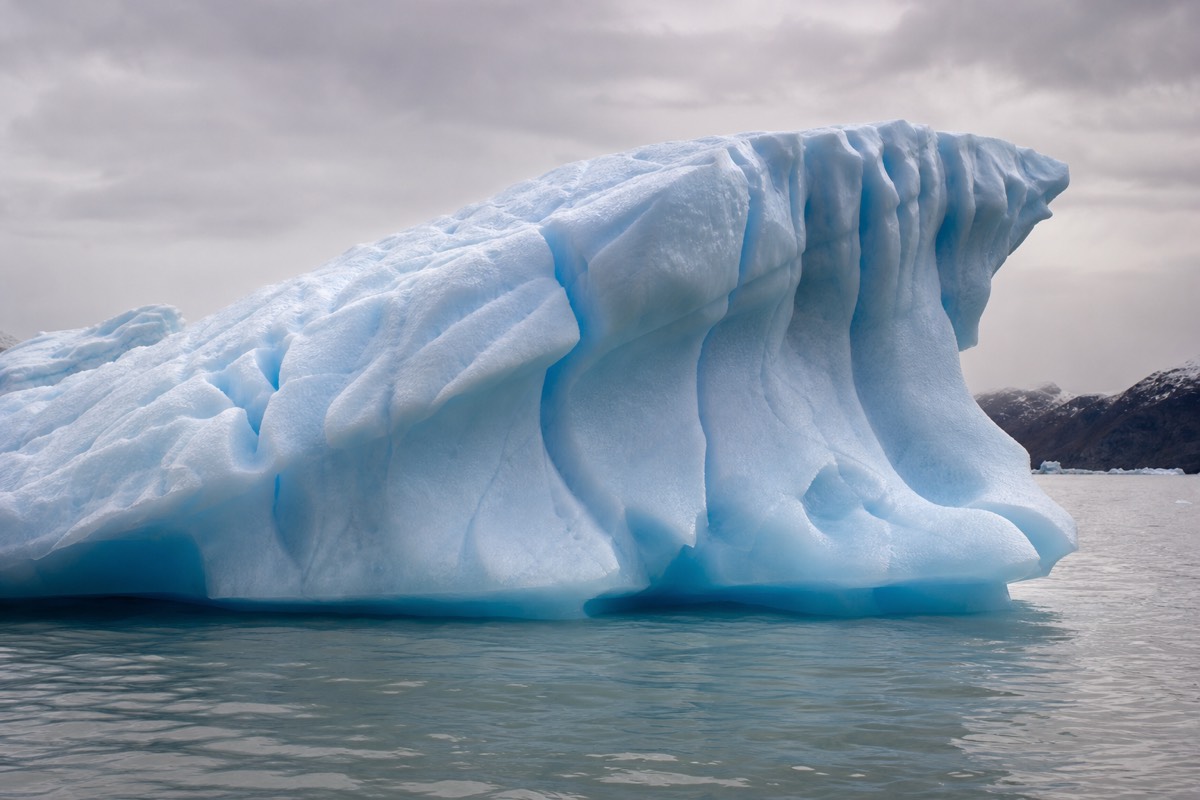
If the sailing is cancelled, the beach at the southern end of Lago Grey is the backup, because icebergs collect there against the terminal moraine. You can stand beside house-sized ice without going near the glacier. The four ways of seeing Grey, and which suits which kind of visit, are set out in our guide to the Grey Glacier.
What lenses does this park ask for?
A wide angle for the lakes and the Cuernos across water, a mid zoom for almost everything else, and the longest lens you are willing to carry for wildlife and for compressing the towers from distance. The wildlife here is large and often close, which is kinder to modest gear than most safari destinations. Weight matters more than reach on a 21 km day.
Guanacos on the eastern steppe are tolerant enough that a mid telephoto is usually plenty. Condors are the opposite and reward everything you have, though a slow-soaring bird against sky is one of the easier long-lens subjects. Pumas are the extreme case, they are crepuscular and usually distant, and photographing them properly is a specialist trip rather than a lens problem. What is realistically visible on a normal day is set out in our field guide to the park's animals.
The rest of the kit list is about weather rather than optics. Spare batteries, because cold shortens them and a pre-dawn start is long. A rain cover that works in wind, not a plastic bag that becomes a kite. Filters if you want long exposures on Salto Grande. And a bag you can operate with cold hands, since the single most common lost shot here is the one you were still unzipping for. Full kit thinking sits in our packing list for the park.
Is the night sky worth staying up for?
In midsummer, barely. A 22:00 sunset in late December leaves a very short window of real darkness, and the gates close at 21:00. In the shoulder and winter months the nights are long, with June down to around 8 hours of daylight, but access, cold and closures work against you. This is a landscape park first and an astro park a distant second.
If you want the massif under stars, the practical route is to stay inside the park rather than commuting, and to come in the shoulder months when darkness arrives at a reasonable hour and the skies still clear between fronts. Accommodation inside the boundary is a separate booking through the concessionaires and the hotels, which we cover in our rundown of where to sleep in and around the park.
Two honest limits. Cloud cover is high in most months, with 11 to 16 wet days a month at the regional station, so a clear night is a lucky night rather than a plan. And the wind that makes daytime tripod work difficult does not stop after dark, which matters a great deal for long exposures.
What the park will not let you do
No fires, no camp stoves outside designated cooking areas and no smoking anywhere in the park. Chilean law 20.653 carries fines up to 2 million CLP, up to three years in prison and expulsion. Stay on marked trails, camp only in reserved designated sites, and pack everything out. These are not suggestions and they are enforced.
The fire rule exists because visitors have burned this park before. Fires in 1985, 2005 and 2011 to 2012 all did serious damage, and the 2011 to 2012 fire took out a large part of the eastern side. Some of the burnt standing timber you will photograph on the eastern approaches is the evidence. Current closures, seasonal restrictions and rules are published by CONAF, the park authority.
Access rules also shape what you can shoot and when. Trail registration applies at control points on the Base Torres and W routes. From 27 April to 30 August 2026 the Base Torres trail requires an authorised guide, which rules out an independent winter dawn at the towers. Gate hours are 07:00 to 21:00 in high season and 08:00 to 18:30 in low season, and weather changes them.
Which trips give you the shooting positions?
For most photographers the answer is a full-day circuit for the classic viewpoints, the Grey cruise for the glacier, and a self-drive week if you want to choose your own hours. The first two remove logistics, the third buys you dawn and dusk on your own terms. All three are on our list of trips into the park.
The full-day adventure tour from Puerto Natales runs the classic circuit: Sarmiento, Laguna Amarga with its frontal view of the towers, a 30-minute walk to Salto Grande, the Nordenskjöld viewpoint, Lake Pehoé and the Milodón Cave, with a 07:00 pickup and a 17:00 to 18:00 return. That covers more named viewpoints in a day than any other option here.
| Trip | Hours | Positions it gives you | Light you can catch |
|---|---|---|---|
| Full-day adventure tour, $139 | 07:00 to 17:00 or 18:00 | Sarmiento, Laguna Amarga, Salto Grande, Nordenskjöld, Pehoé | Daylight, occasionally late afternoon |
| Grey Glacier scenic cruise, $120 | 3 hours | Iceberg field and the glacier face from the water | Whatever the sailing time gives |
| 6-day self-drive, $1,447 | Six days, your own timing | All road viewpoints, plus dawn and dusk | Both golden windows, gates permitting |
The three-hour Grey Glacier cruise is the only realistic way to photograph the ice face itself, with about an hour of scenery before the glacier appears. And the six-day self-drive package is the one that solves the light problem properly: a category D rental car with unlimited mileage, five nights of accommodation and a tailor-made itinerary, which means you decide when to be at Pehoé. Note there are no fuel stations inside the park, so fill up before you go in. The full set of guided trips into Torres del Paine is worth comparing on hours and route rather than price alone.